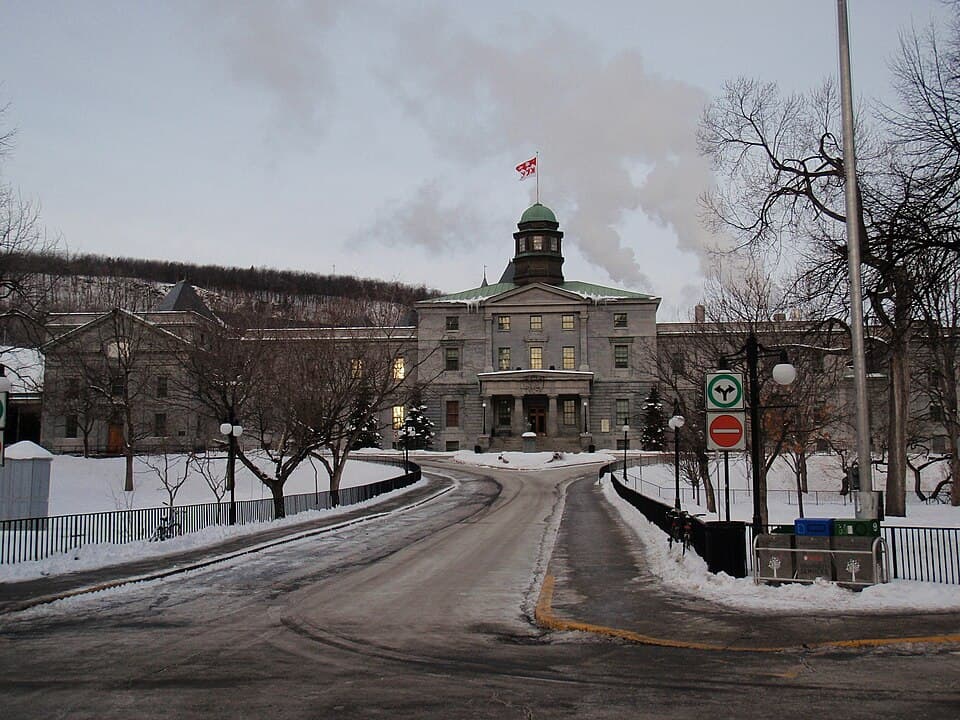
McGill University
largeDirectory order#1QS World 2026#27
McGill University
Montreal, Quebec
Medicine/Engineering/Computer Science/Business
Open resource →
Compare 98 Canadian university and university-level records by province, city, campus size, and broad program area. Then check each option against official sources.
98 results
Montreal, Quebec

Toronto, Ontario
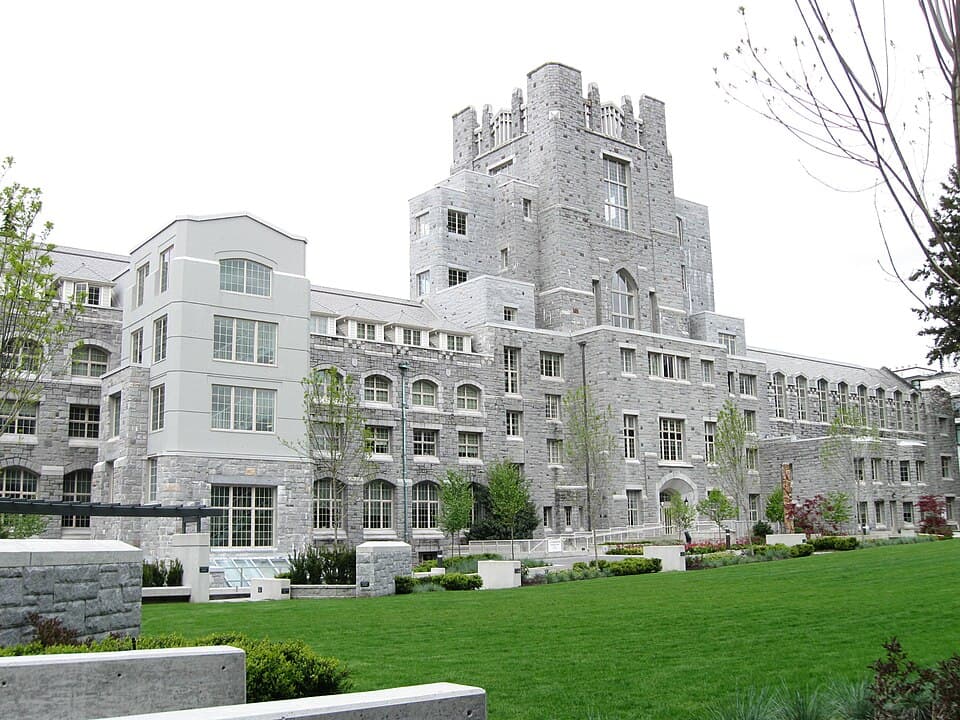
Vancouver, British Columbia

Edmonton, Alberta
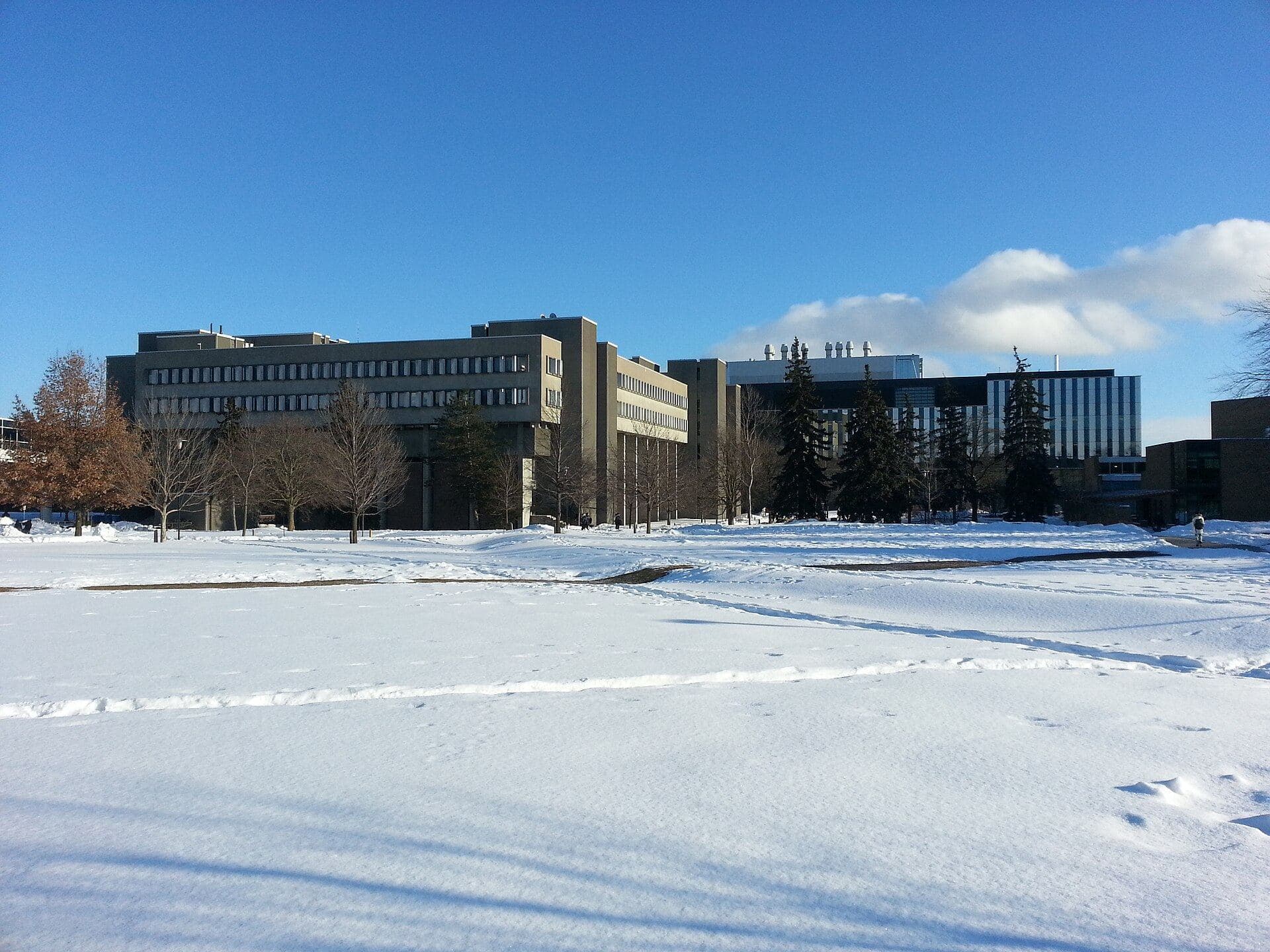
Waterloo, Ontario
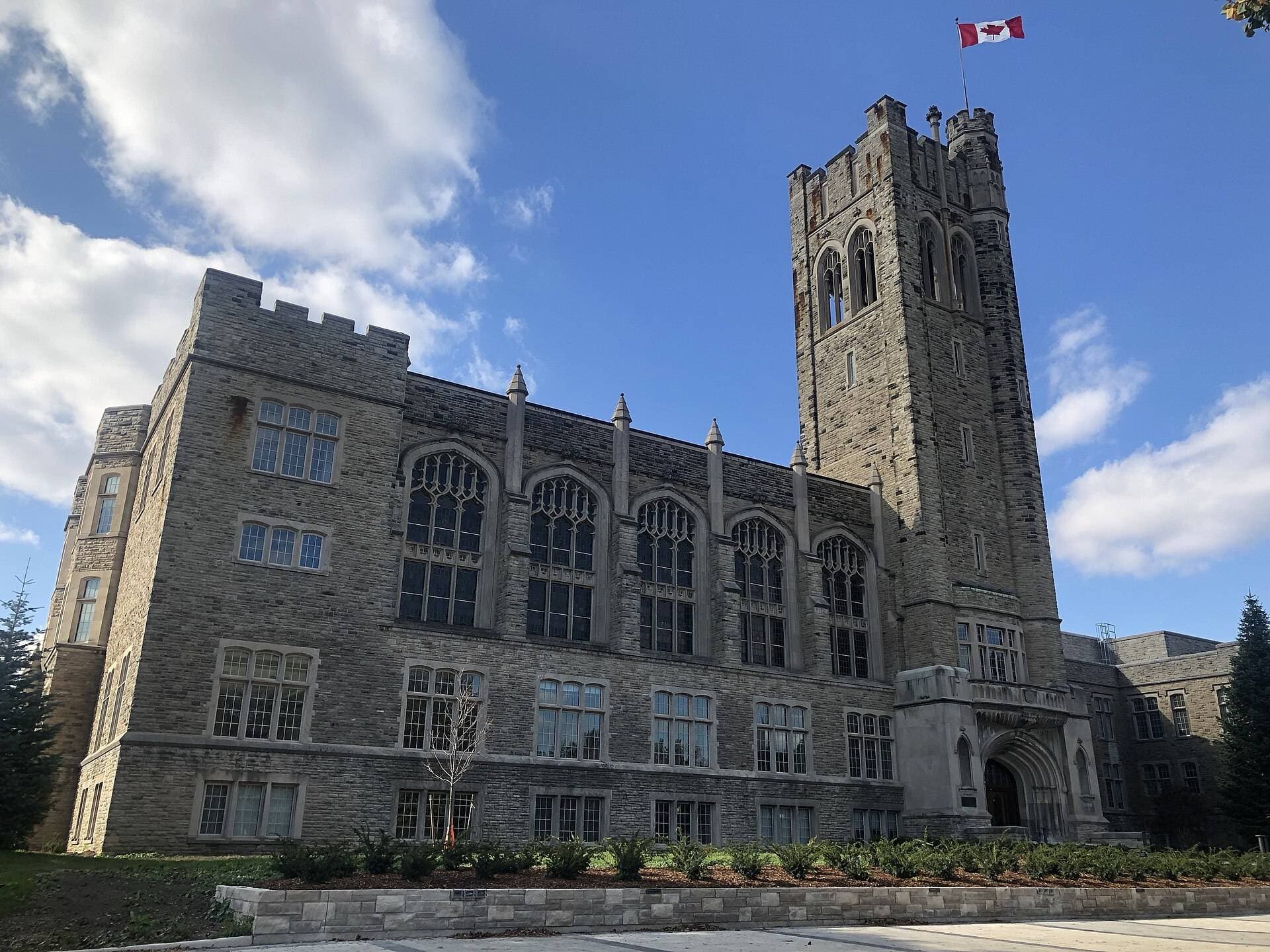
London, Ontario
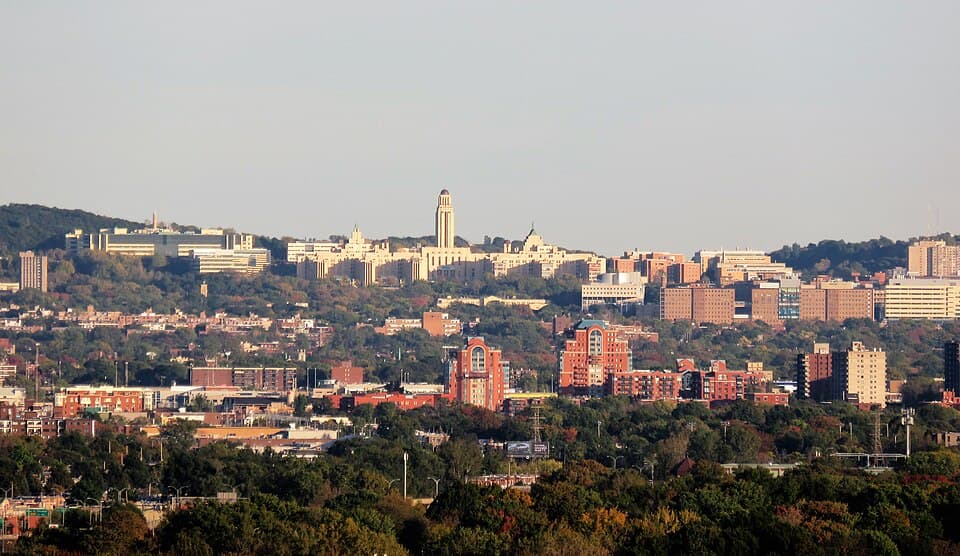
Montréal, Quebec
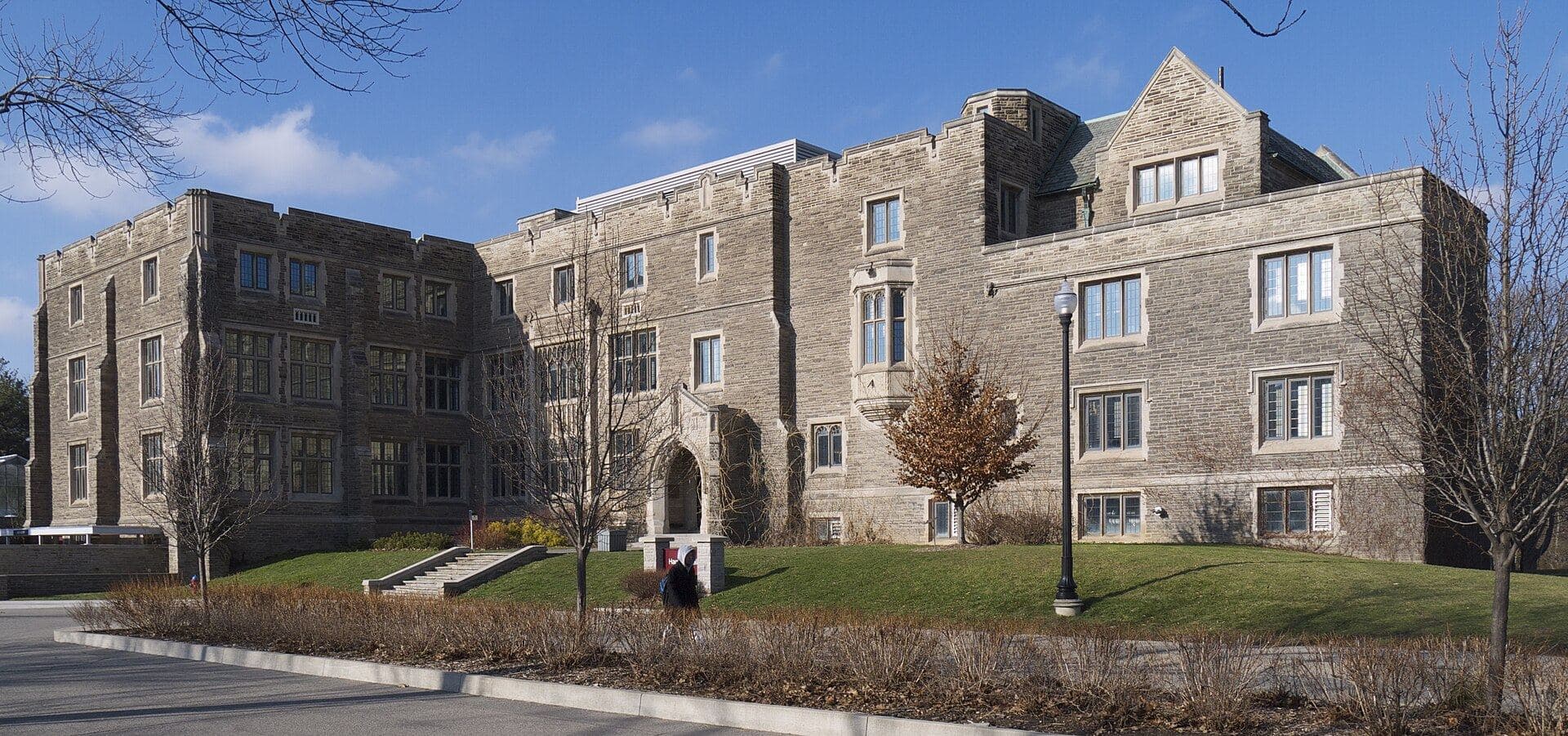
Hamilton, Ontario

Kingston, Ontario

Calgary, Alberta

Ottawa, Ontario

Toronto, Ontario
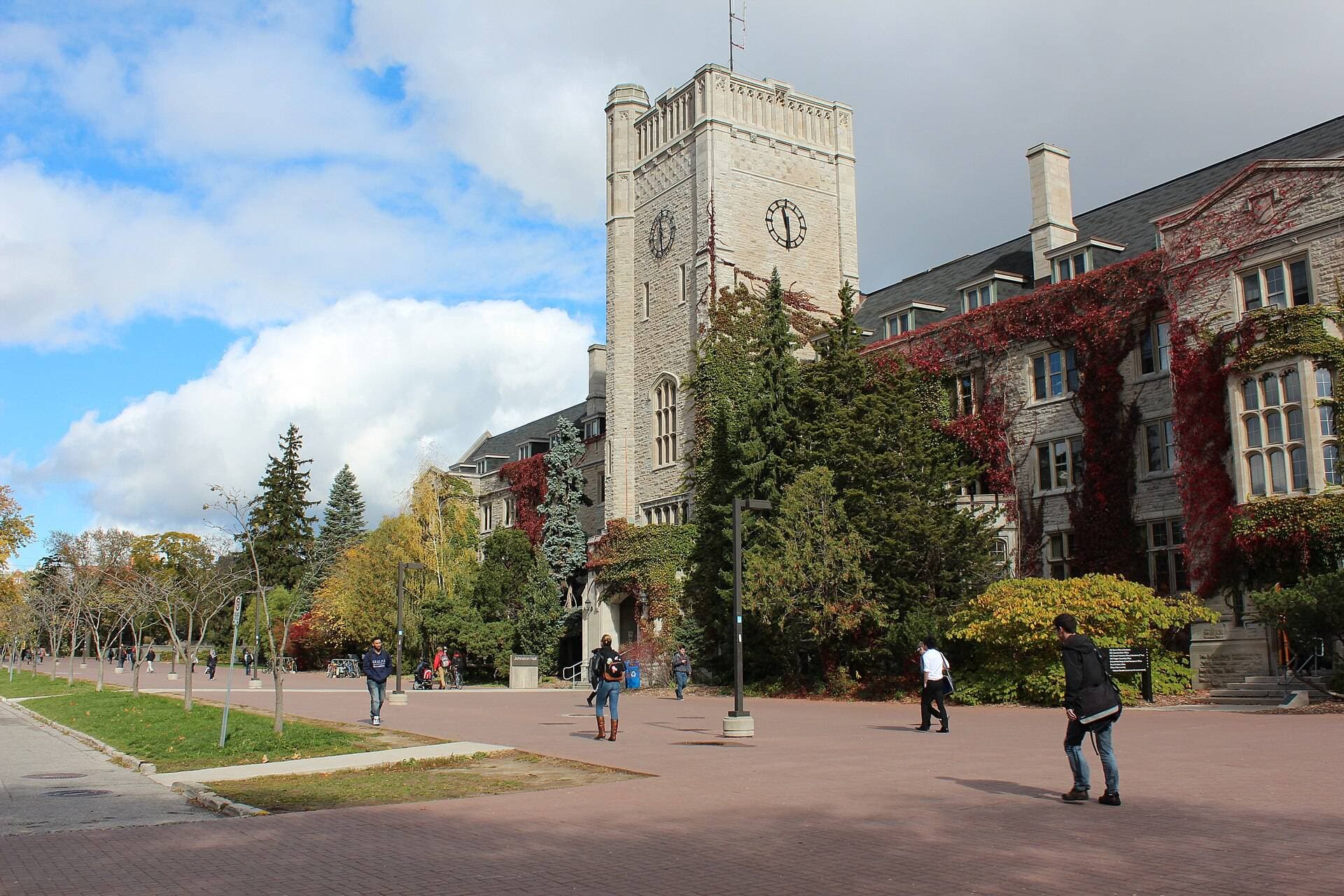
Guelph, Ontario
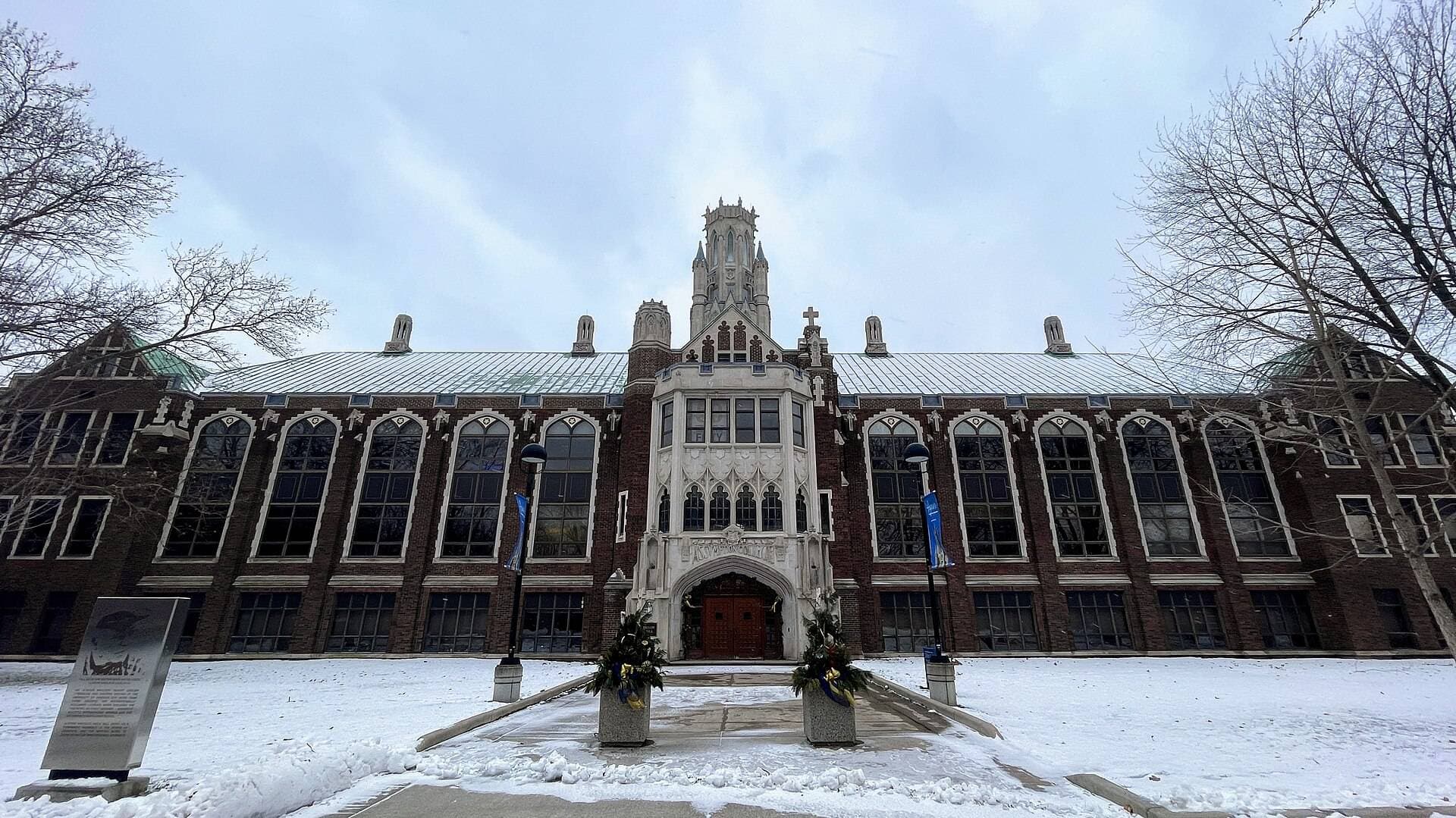
Windsor, Ontario

Toronto, Ontario

Ottawa, Ontario

Athabasca, Alberta

St. Catharines, Ontario

Montreal, Quebec

Halifax, Nova Scotia
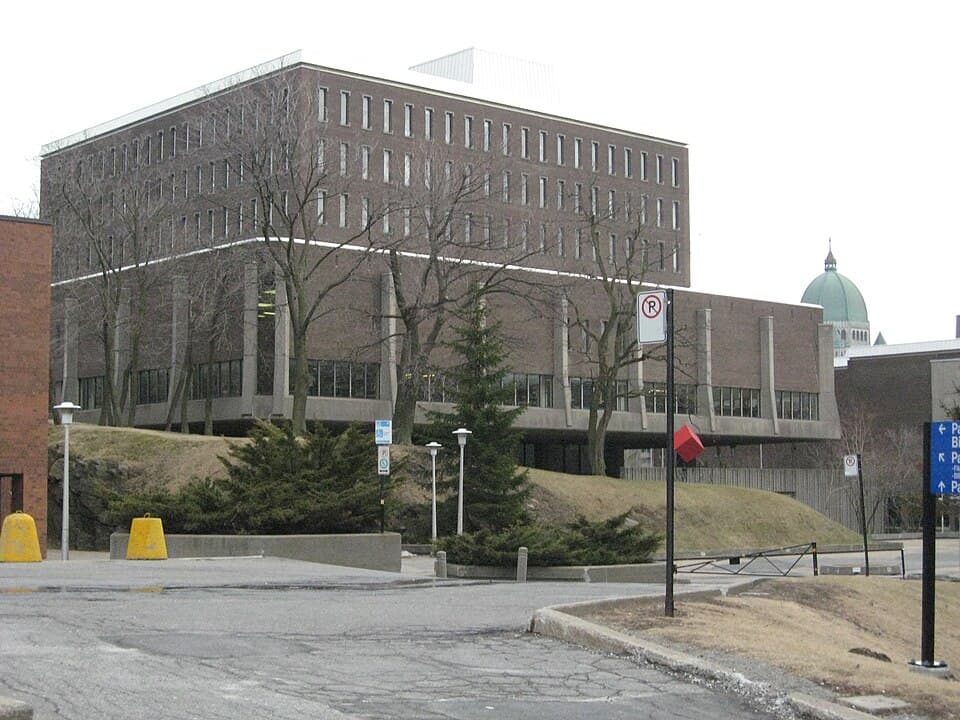
Montreal, Quebec

Surrey, British Columbia

Edmonton, Alberta

St. John's, Newfoundland and Labrador

Calgary, Alberta

Burnaby, British Columbia

Winnipeg, Manitoba

Kamloops, British Columbia

Sherbrooke, Quebec

Quebec City, Quebec

Montreal, Quebec
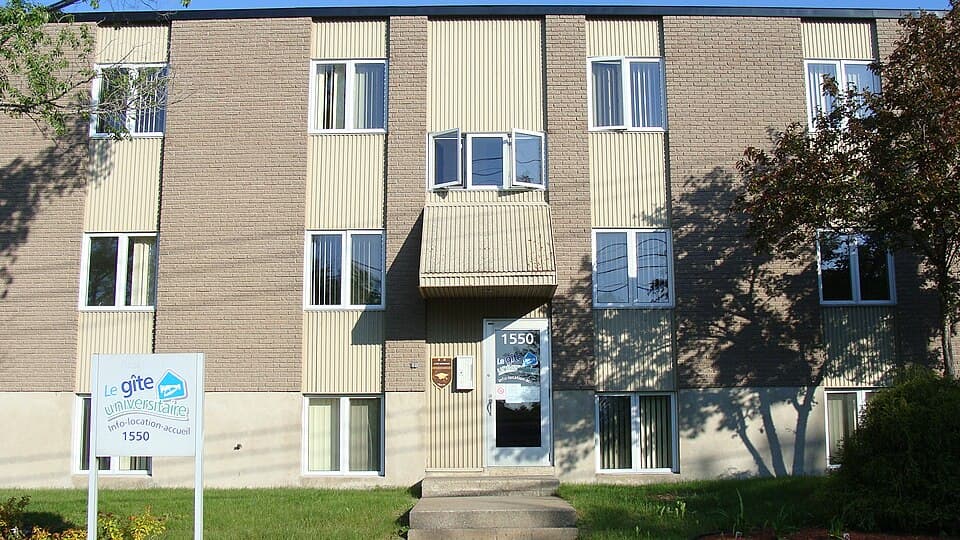
Trois-Rivieres, Quebec

Quebec City, Quebec

Winnipeg, Manitoba
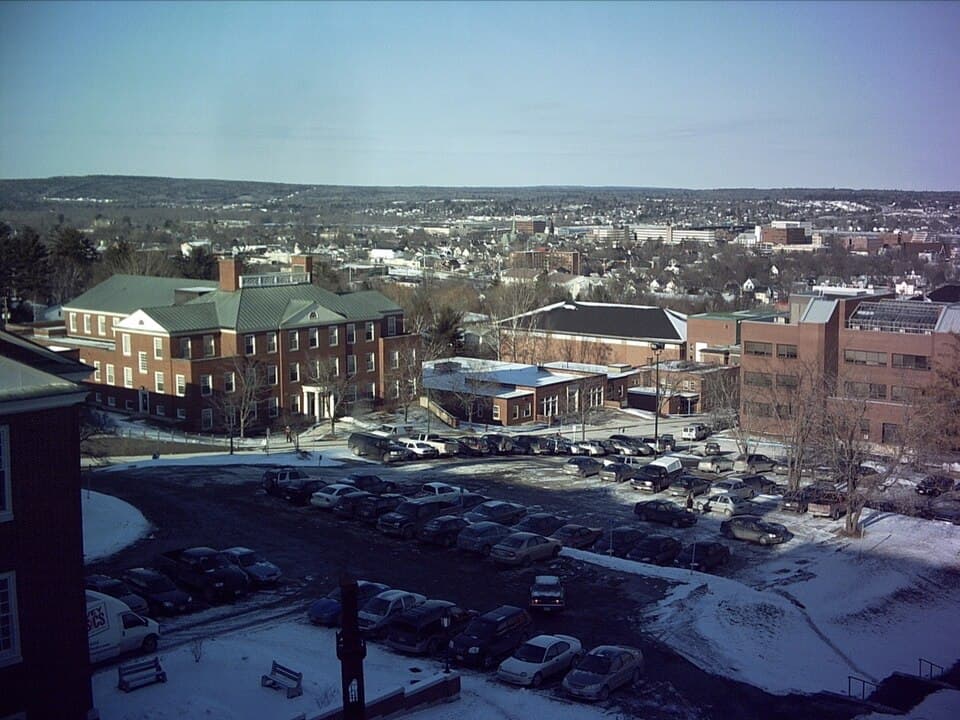
Fredericton, New Brunswick

Regina, Saskatchewan

Saskatoon, Saskatchewan

Abbotsford, British Columbia
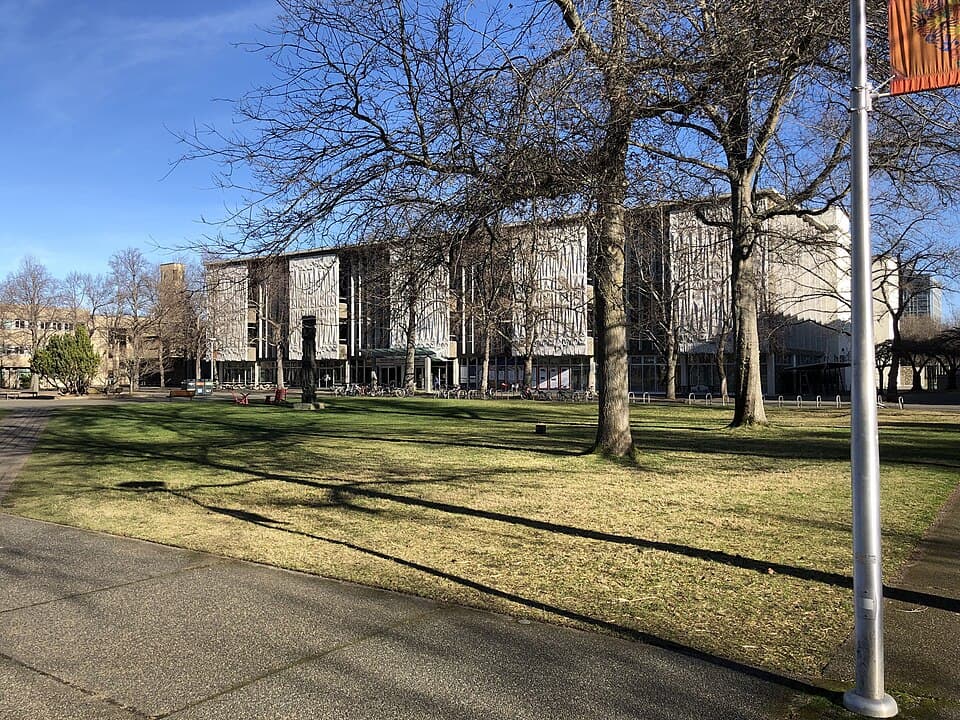
Victoria, British Columbia

Nanaimo, British Columbia
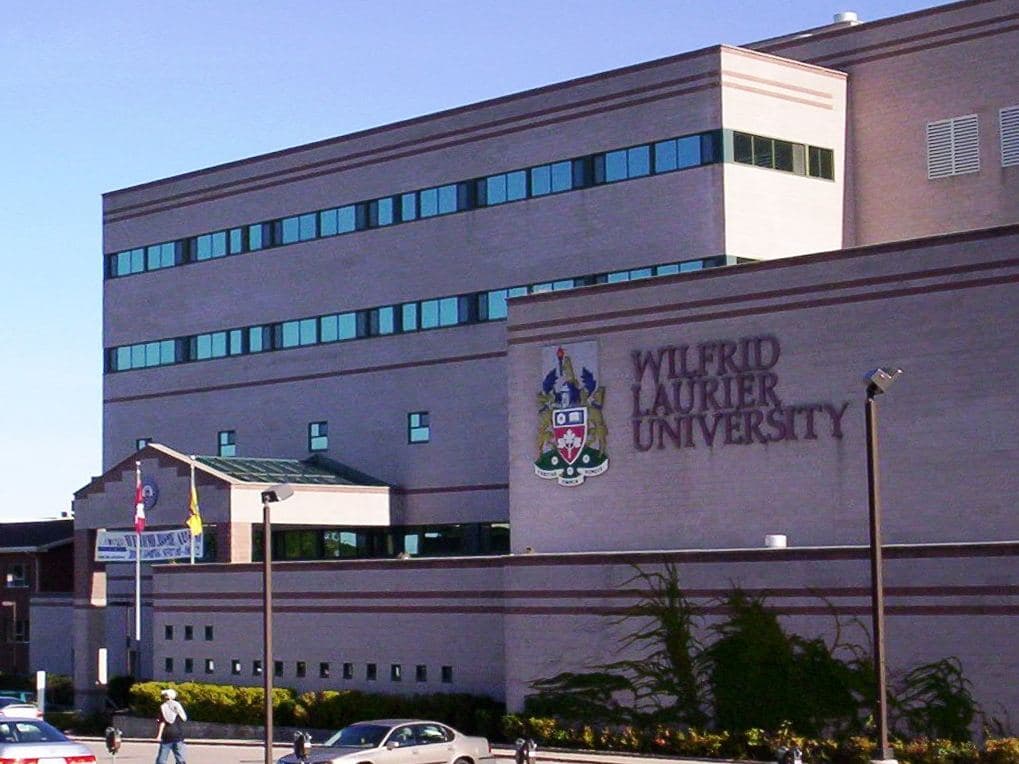
Waterloo, Ontario

North Vancouver, British Columbia

Montreal, Quebec

Thunder Bay, Ontario

Sudbury, Ontario

Oshawa, Ontario
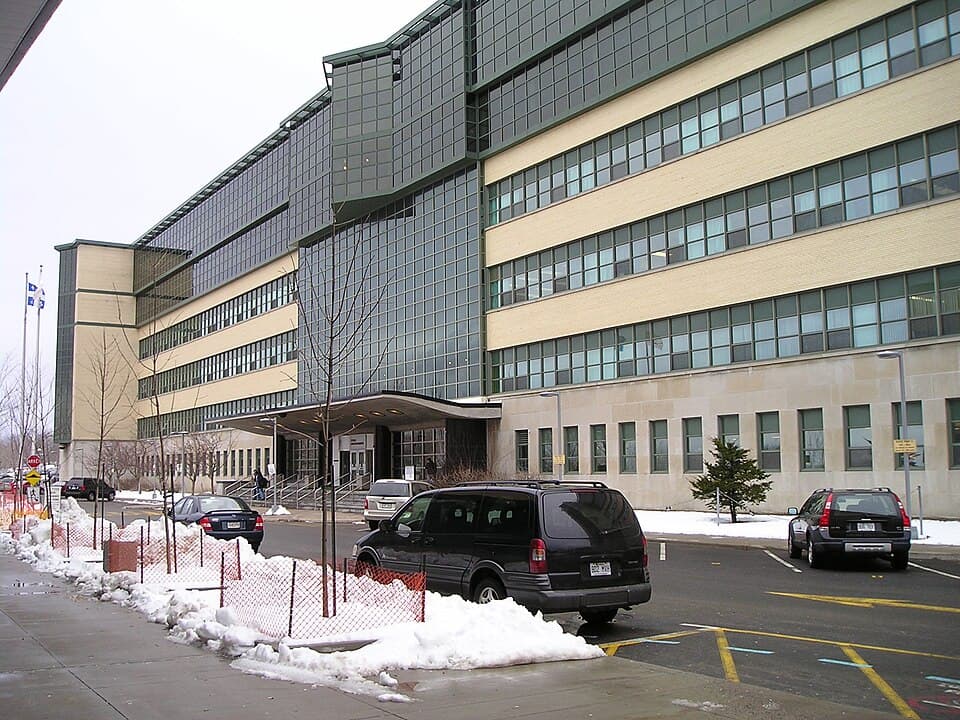
Montréal, Quebec
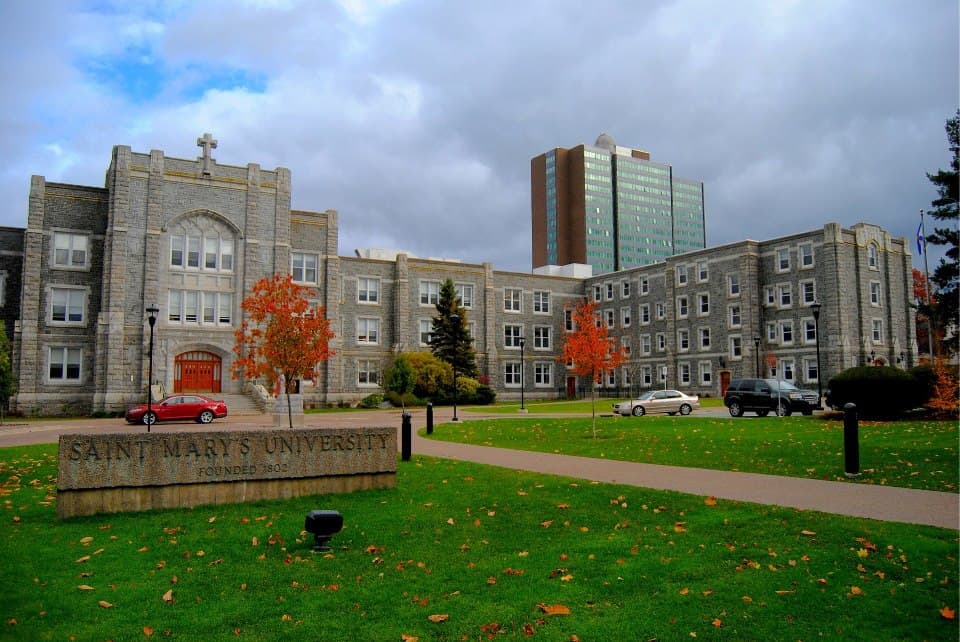
Halifax, Nova Scotia

Peterborough, Ontario
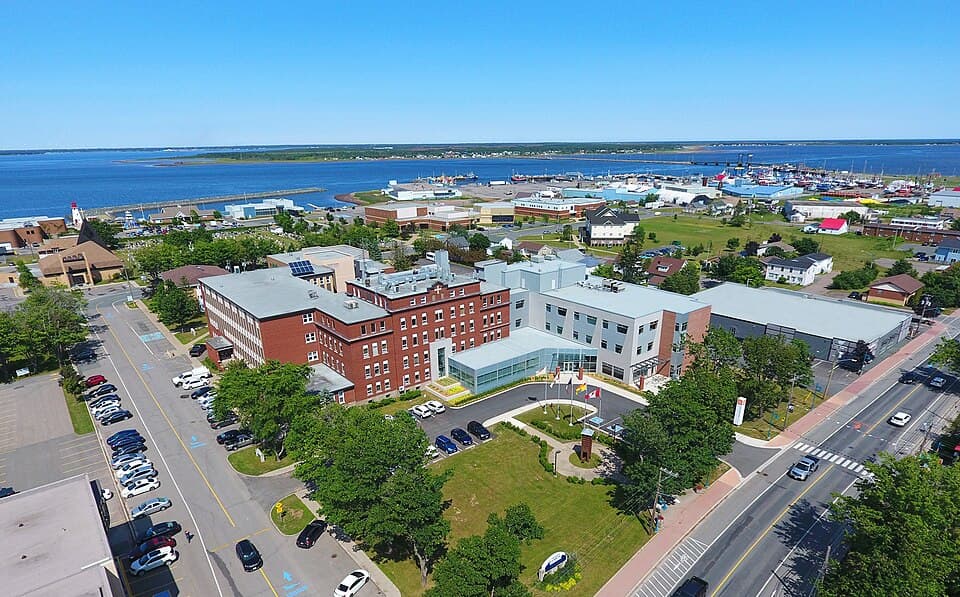
Moncton, New Brunswick

Saguenay, Quebec

Rimouski, Quebec

Gatineau, Quebec

Quebec City, Quebec

Lethbridge, Alberta

Charlottetown, Prince Edward Island
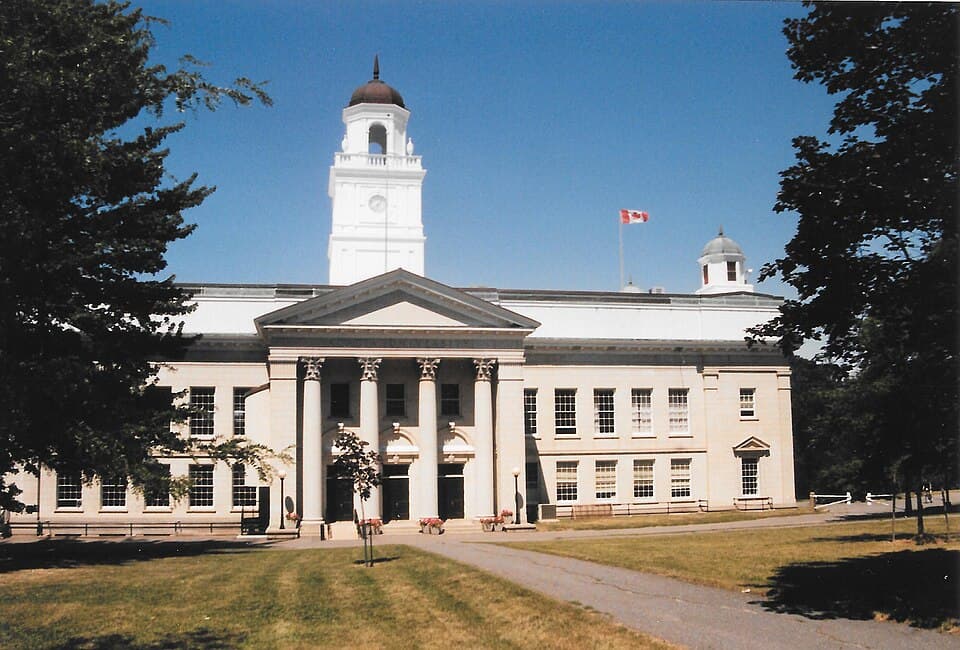
Wolfville, Nova Scotia
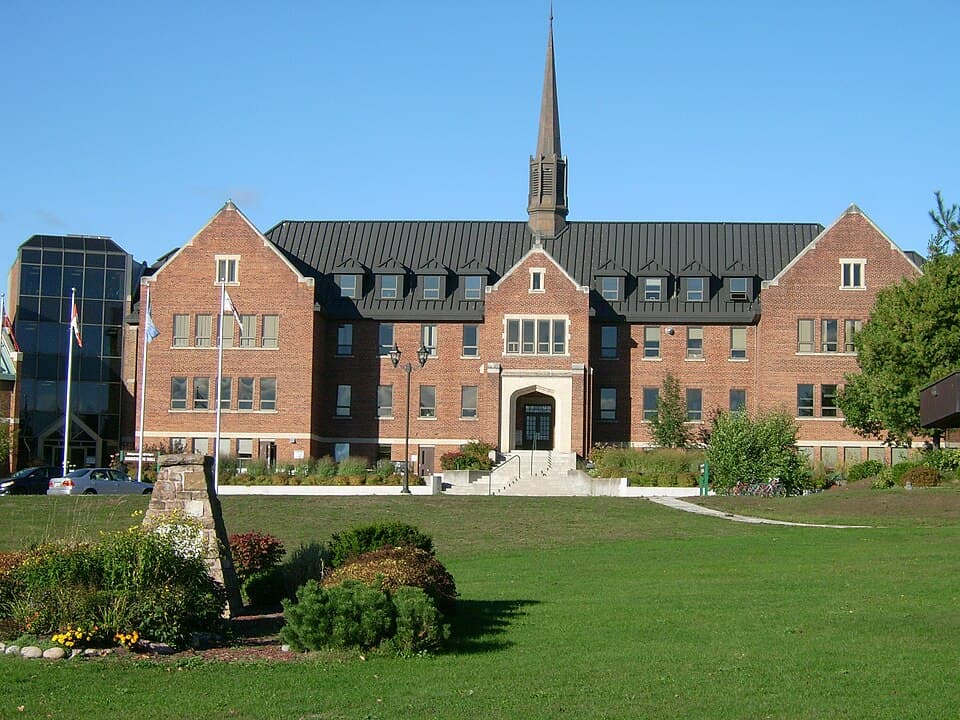
Sault Ste. Marie, Ontario

Sherbrooke, Quebec

Brandon, Manitoba

Lacombe, Alberta

Regina, Saskatchewan

Winnipeg, Manitoba

Sydney, Nova Scotia

Edmonton, Alberta

Quebec City, Quebec

Vancouver, British Columbia

Regina, Saskatchewan

London, Ontario

Quebec City, Quebec

London, Ontario

Regina, Saskatchewan

Sackville, New Brunswick
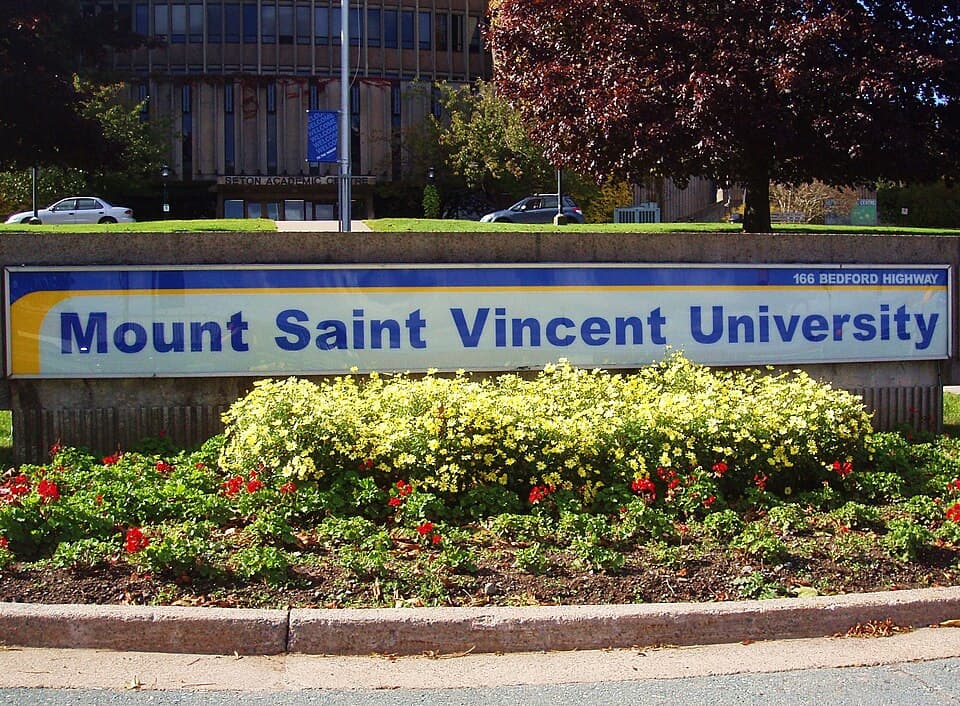
Halifax, Nova Scotia

North Bay, Ontario

Halifax, Nova Scotia

Toronto, Ontario
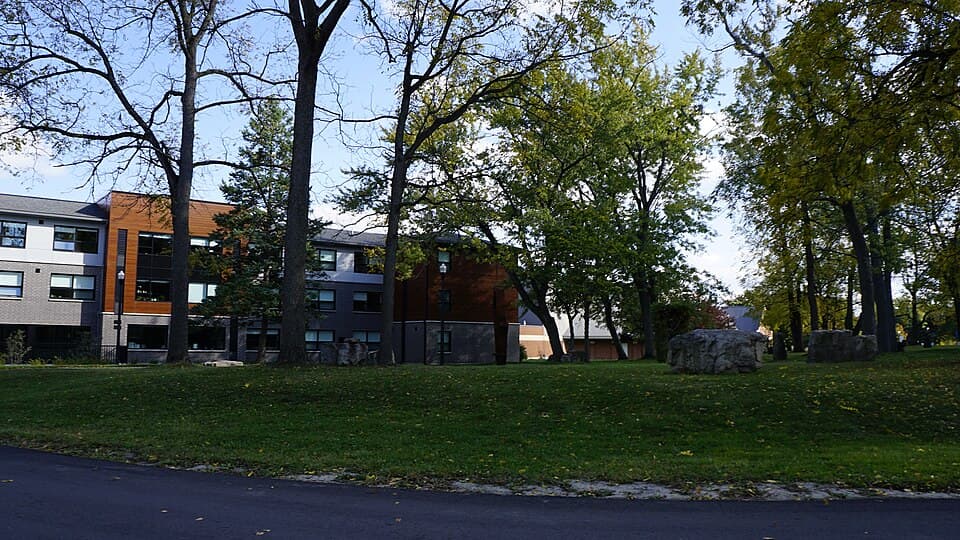
Hamilton, Ontario
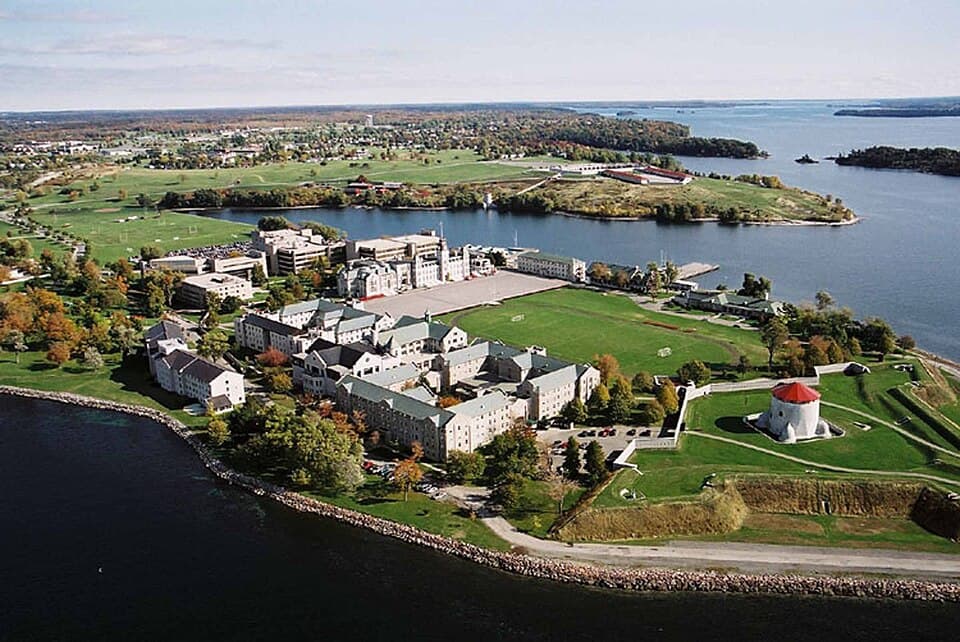
Kingston, Ontario

Victoria, British Columbia
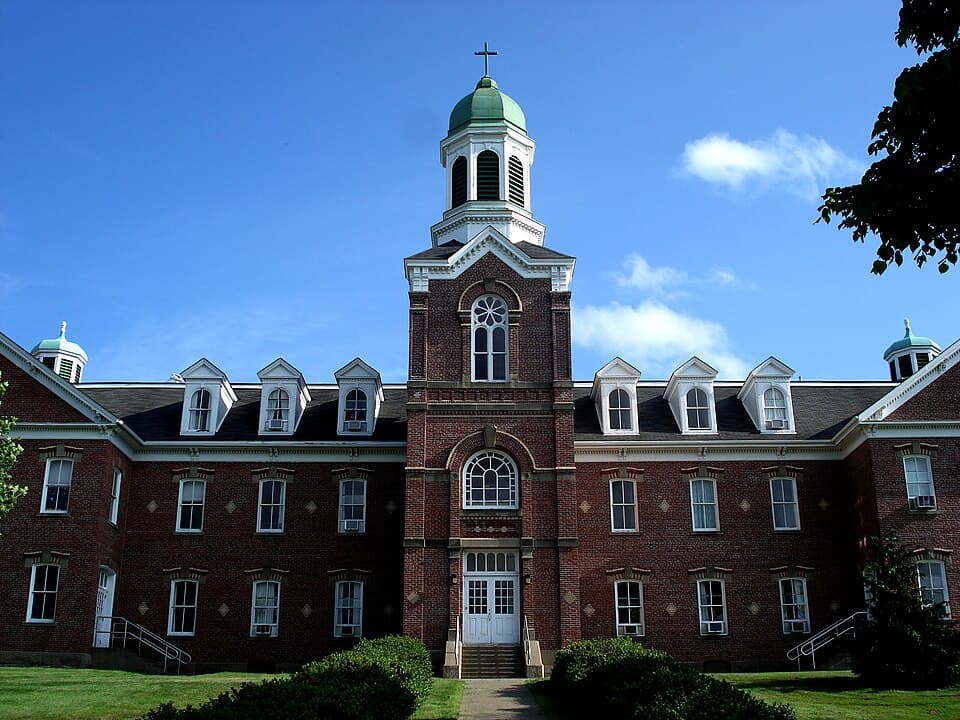
Antigonish, Nova Scotia
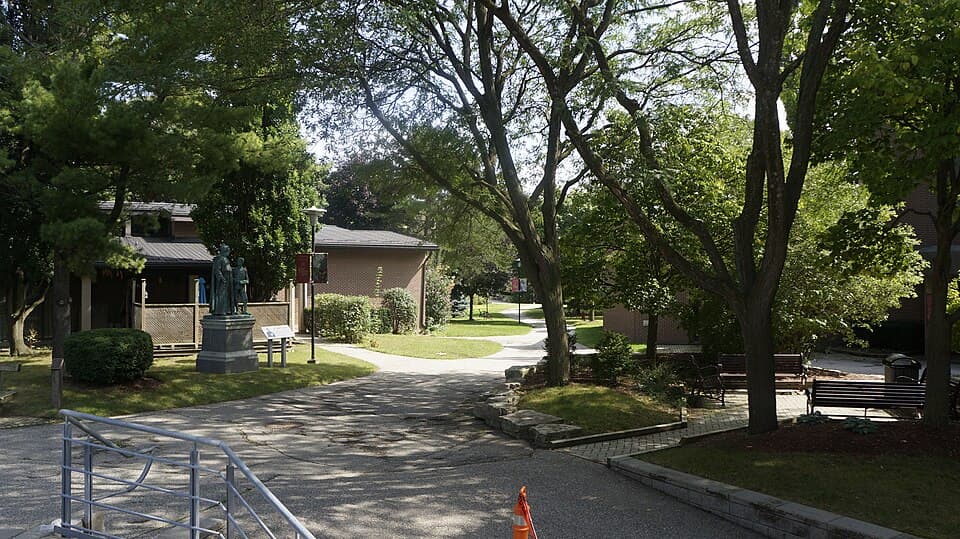
Waterloo, Ontario

Calgary, Alberta

Winnipeg, Manitoba

Saskatoon, Saskatchewan
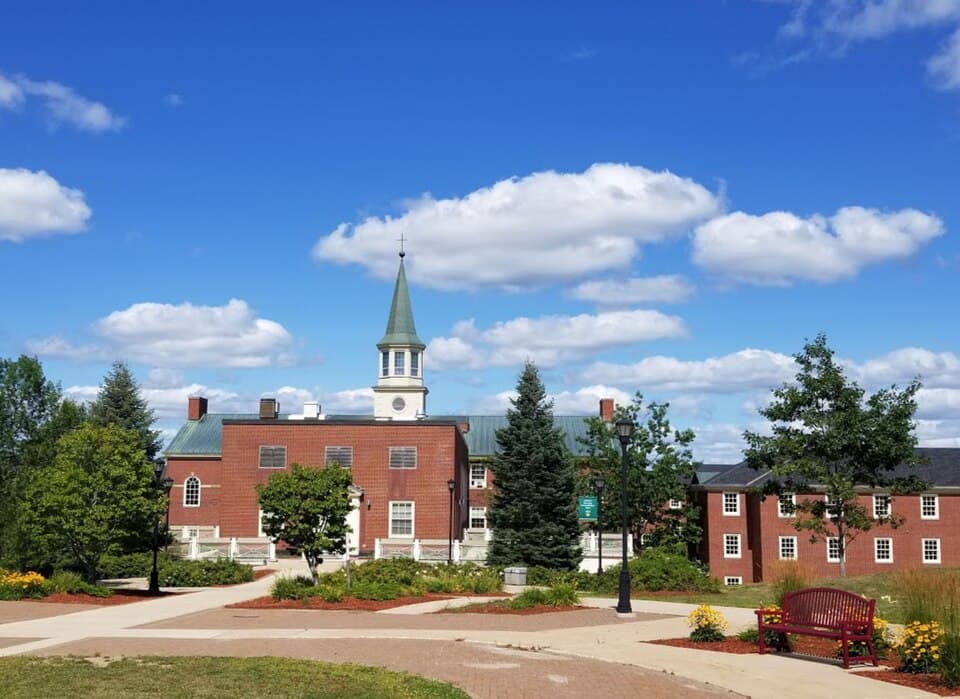
Fredericton, New Brunswick

Edmonton, Alberta

Langley, British Columbia

Winnipeg, Manitoba

Rouyn-Noranda, Quebec

Church Point, Nova Scotia
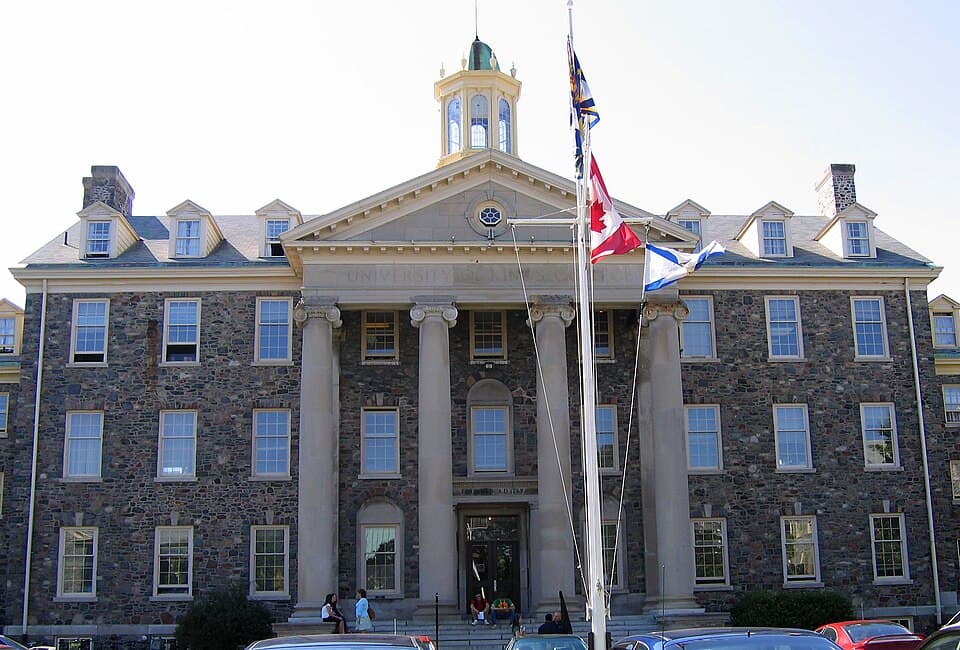
Halifax, Nova Scotia
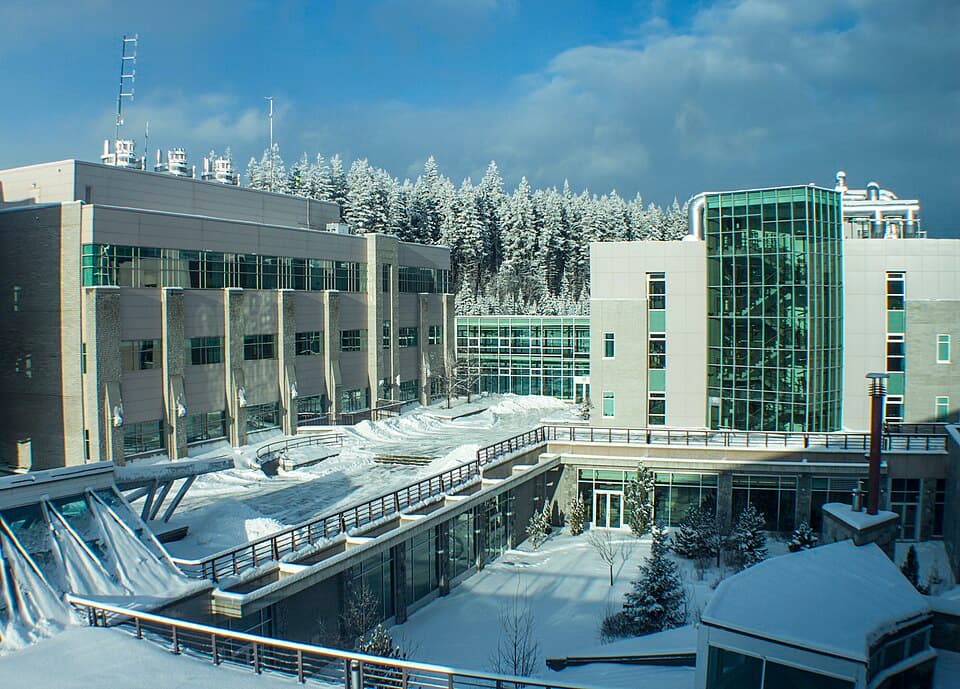
Prince George, British Columbia
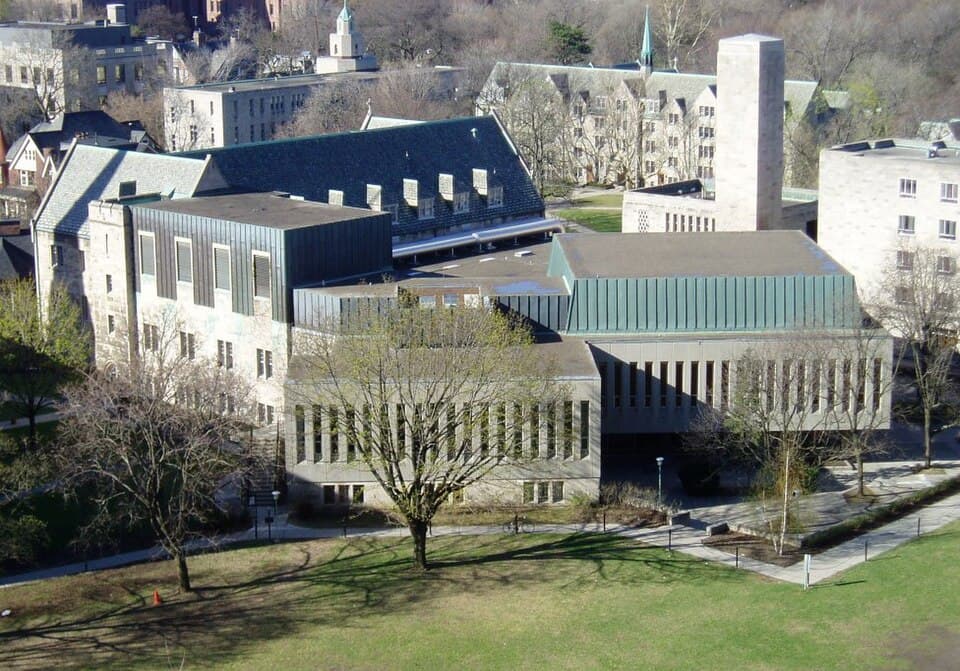
Toronto, Ontario
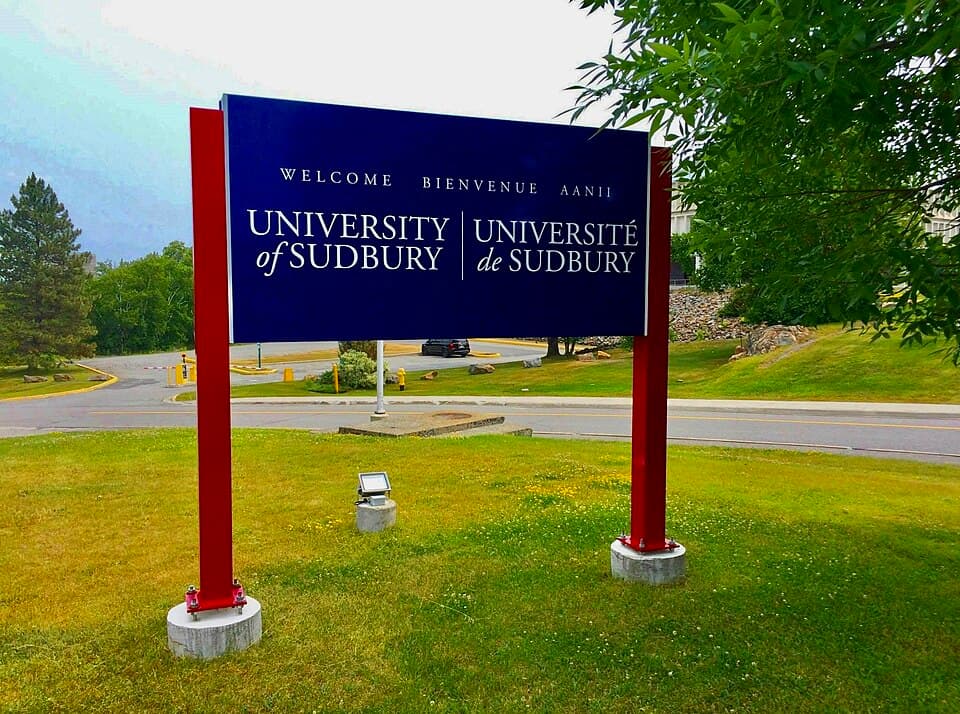
Sudbury, Ontario
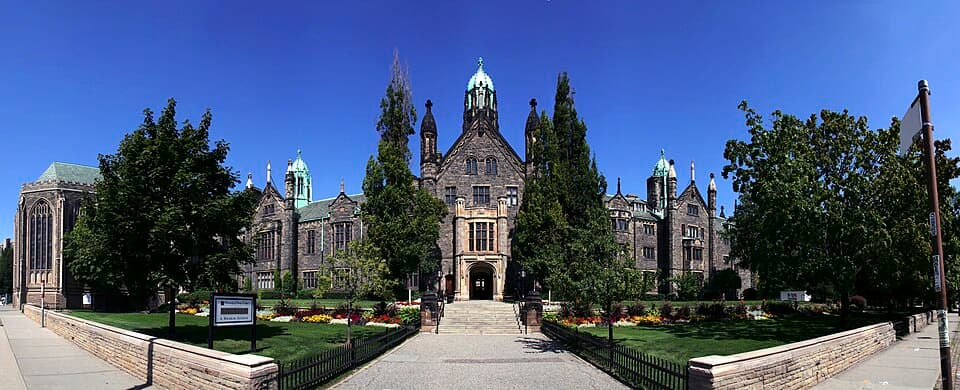
Toronto, Ontario
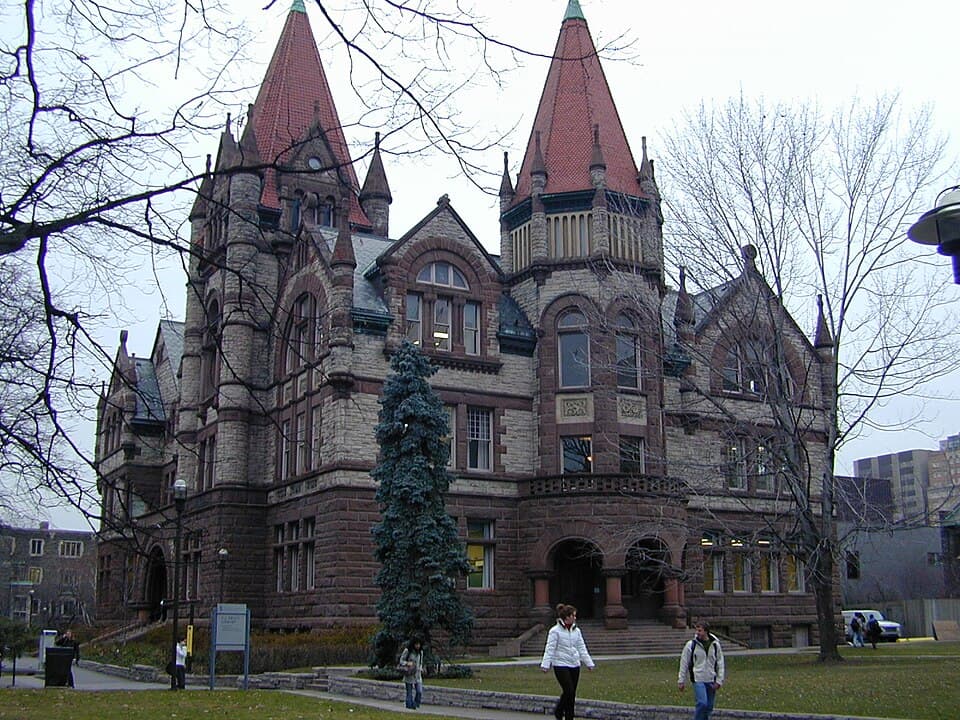
Toronto, Ontario
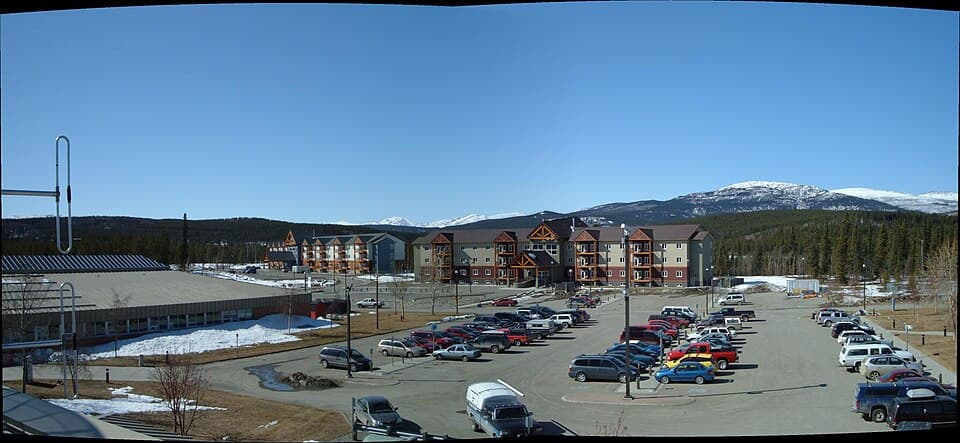
Whitehorse, Yukon
The directory contains 98 university and university-level discovery records across 11 provinces and territories. Build a shortlist with the filters above, then verify the exact degree, requirements, cost, and application route on the university's current website.
Planning a Fall 2027 application? Compare confirmed, annual, and still-pending dates across eight provinces in the Canadian university application deadlines guide.
Ontario has the most records in this directory — 29 of 98, counted directly from Stellar's own dataset — followed by Quebec (19), British Columbia (12), Alberta (10), Nova Scotia (9). A higher count reflects how many institutions from that province are catalogued here, not a ranking of the province's post-secondary quality. There is no official best or top university in Canada, or in any single province: the comparisons that actually change a decision are program-specific and covered below. The same caution applies to searches for good universities in Ontario or a top ten list for Canada — filter the directory below by province and program area instead of relying on an unofficial ranked list.
Rankings can start a conversation. Programs, constraints, and fit should finish it.
Verify the exact degree, campus, major-entry model, prerequisites, supplement, accreditation, and intake on the university's current program page.
Separate a published minimum from a historical admission range or a competitive selection average. None is an offer guarantee.
Confirm whether co-op or internship entry is direct, optional, competitive after enrolment, or unavailable for the exact program.
Compare tuition, compulsory fees, housing, meals, transportation, insurance, books, travel, and realistic scholarship or aid eligibility.
Compare location, campus scale, class and program structure, residence access, student services, language, clubs, and travel home.
For regulated careers or international study, verify accreditation, licensing prerequisites, DLI status, and program-level PGWP rules before applying.
OUAC processes undergraduate applications for participating Ontario universities. It forwards applications; each university makes its own admission decision.
EducationPlannerBC lets applicants search programs and apply to participating public post-secondary institutions. Confirm exceptions and program instructions before submitting.
Application systems vary. Start with the official institution and provincial tools; do not assume that an Ontario or British Columbia application account covers another province.
Stellar Rank is a directory browsing order. Records with a stored QS World 2026 position come first. Other records follow by size (large, mid-sized, then small), then name. Program breadth is not used. This order does not measure admission chance, affordability, co-op access, support, or personal fit.
Most Canadian universities publish no official acceptance rate. Each guide below reports what the university itself publishes — applicant counts, admission-average ranges, or a plain statement that no figure exists — with every number cited to its official source.
The directory contains 98 Canadian university and university-level discovery records across 11 provinces and territories. It includes some federated and specialized institutions, so it should not be treated as an official or exhaustive government registry of every post-secondary institution.
No. It is a broad discovery directory, not a legal registry. Use the Canadian Information Centre for International Credentials directory to check recognized institutions, Universities Canada for its member list, and the relevant provincial or territorial authority when recognition affects a decision.
There is no single best university for every student. The useful comparison is program-specific: curriculum and entry structure, admission requirements, accreditation, work experience, total cost, campus fit, support, and personal constraints. An overall ranking cannot answer all of those questions.
Build a program-level shortlist and compare the exact degree and campus, prerequisites and supplements, admission evidence, co-op or internship access, full annual cost, residence and student services, accreditation, and application route. Verify time-sensitive details on official university pages before applying.
Ontario has the most records in this directory: 29, counted directly from Stellar's 98-record dataset. Quebec (19) and British Columbia (12) follow. Record count reflects how many institutions from that province are catalogued here — it is not a measure of university quality, enrolment, program breadth, or admission capacity, and there is no official "best" or "top" university in any province.
No. OUAC processes applications for participating Ontario universities. British Columbia public institutions commonly use EducationPlannerBC, while institutions elsewhere may use their own or another provincial application system. Always follow the exact program's official application instructions.
Do not assume so from a university name or directory listing. International students need a letter of acceptance from a designated learning institution for a study-permit application, and IRCC maintains the current DLI list by province and territory.
No. IRCC explicitly says that graduating from a designated learning institution does not automatically make a student eligible for a post-graduation work permit. Eligibility can depend on the institution, exact program, study length, delivery arrangement, language results, field-of-study rules when applicable, and the applicant's circumstances.
No. Broad program labels are discovery signals. They do not confirm that a particular major, intake, campus, accreditation, co-op option, or admission route is currently available. Check the university's live program page and application instructions.
The directory guide and its province-aware profile links were materially reviewed on August 25, 2026. Program search, the U of T Kinesiology label, and the ranking explanation were updated September 28, 2026; this was not a full catalogue recheck. Institution names, programs, application systems, fees, immigration rules, and eligibility can change, so official sources remain the final check for any application or financial decision.