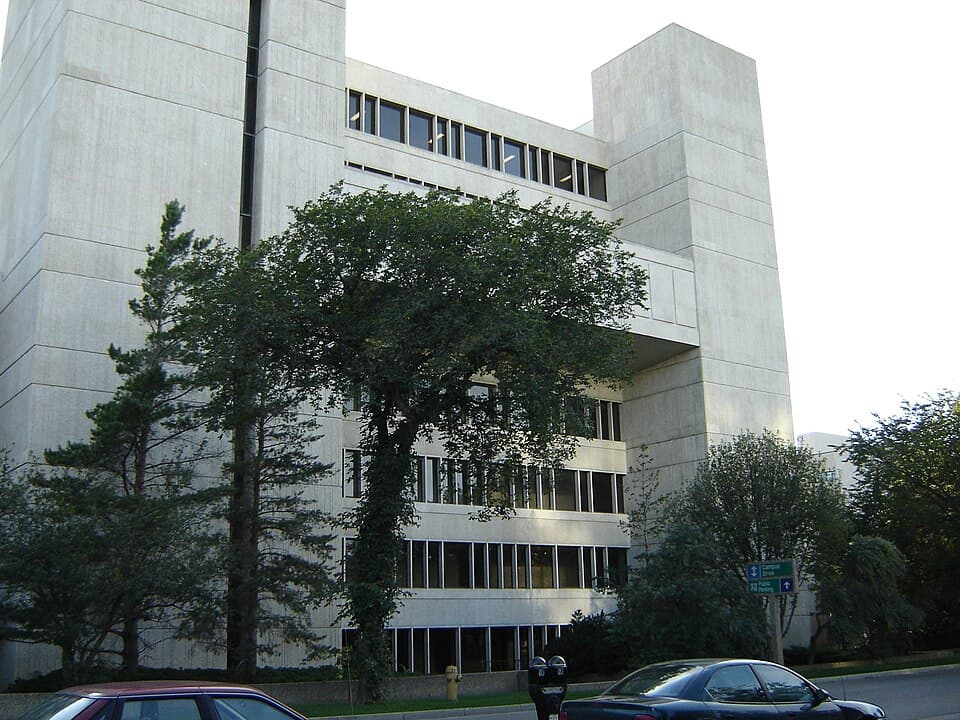

University of Saskatchewan
Saskatoon, Saskatchewan
Compare University of Saskatchewan programs, admissions, costs, residence, student support, and career pathways in one source-reviewed guide. Jump to the decision section you need below.
The short answer
- Apply through apply.usask.ca, not OUAC (the Ontario Universities' Application Centre, Ontario's university application site). The fee is at least C$120.
- Ontario applicants need five marks: one English, one math, and three approved subjects. Minimums are 70% for Arts and Science, 80% for Edwards, Engineering, and Kinesiology.
- Fall 2027 deadlines are not yet published. Winter January 2027 is open: apply by December 1, 2026, documents by December 15, 2026.
- 2026–27 residence rates run from C$5,385 to C$13,370 for 8 months. Apply and pay the C$75 fee before January 31 for the Voyageur Place guarantee.
- 2026–27 domestic tuition estimates range from C$8,059 (Arts) to C$12,269 (Engineering). International estimates range from C$39,007 to C$59,383.
Reviewed August 14, 2026 · Official university sources · How we review guides
Save this to your free account
Track University of Saskatchewan with a checklist for how you apply. Free account. Add your dates in the tracker to request reminder emails; unsubscribe any time.
Free account. No card needed.
Overview
Current applicant answer
USask admission depends on the college—not one campus-wide average
Ontario applicants use a five-mark calculation. Then they must meet the exact college prerequisites and minimum. Arts and Science currently lists 70%. Edwards Business, Engineering, and Kinesiology list 80%. Those are thresholds, not promises of admission.
5 marks
One English, one math, and three approved subjects
C$120
Minimum application fee for most programs
150+
Areas of study in the current application guide
No official campus-wide acceptance rate
USask publishes program prerequisites, minimum averages, rolling or competitive selection, and capacity—not one current university-wide undergraduate acceptance percentage.
Fall 2027 cycle status
2027 pending · Fall 2027
Not yet published. USask's applicant-specific requirements tool currently returns only two future start terms for Ontario high-school applicants. They are Fall September 2026 (now closed) and Winter January 2027. The Winter January 2027 application deadline is December 1, 2026. Documents are due December 15, 2026. No Fall 2027 application deadline appears anywhere in the tool.
USask deadlines differ by college rather than following one campus-wide date, so no Fall 2026 date can be rolled forward as a Fall 2027 promise. Re-run the tool with your province and program once the next cycle posts.
Applies to: All applicants
University of Saskatchewan: Applicant-specific requirements and deadlines tool · Verified August 14, 2026
Size and academic scale
University-published counts · Published for this period
USask publishes 26,600+ students from around the world. It also publishes 120+ programs and a 23:1 student-to-faculty ratio. The university was established in 1907. Among its alumni and faculty, it lists one former Prime Minister of Canada. It also lists two Nobel laureates and three justices of the Supreme Court of Canada. It lists nine provincial and territorial premiers. It also lists 157 recipients of the Order of Canada.
These are USask's own recruitment counts. Treat them as directional rather than audited enrolment data.
Applies to: All applicants
University of Saskatchewan: Why choose USask: size, campus, clubs, recreation, and research · Verified August 14, 2026
How USask is organized
Current structure · Published for this period
USask states it is home to 13 interdisciplinary colleges. It also has three graduate schools. It also has six affiliated or federated colleges. The college you apply to decides admission. One university-wide committee does not decide it. That is why prerequisites and minimum averages change from college to college. Selection method and deadlines also change by college.
Applies to: All applicants
University of Saskatchewan: Colleges and schools: direct-entry and non-direct structure · Verified August 14, 2026
No published university-wide acceptance rate
Current published evidence · Published for this period
None of USask's live admissions pages publish a single undergraduate acceptance-rate percentage. What USask does publish is per-college: the required high-school classes, a minimum or regular admission average, an early-admission average where one exists, and whether offers are made on a rolling basis or by ranking applicants after a deadline. Plan against those, not against a rate.
Applies to: All applicants
University of Saskatchewan: Applicant-specific requirements and deadlines tool · Verified August 14, 2026
Saskatoon and the main campus
Current campus context · Published for this period
The main campus sits on Treaty 6 Territory and the Homeland of the Métis. It sits on the banks of the South Saskatchewan River in Saskatoon. USask describes the city as having a population of 270,000 and growing. USask also describes more than 2,300 hours of sunshine annually. The city has connections to the world through Highway 11, the Yellowhead, and John G. Diefenbaker International Airport (YXE).
Applies to: All applicants
University of Saskatchewan: Living in Saskatoon: city facts, transit, and attractions · Verified August 14, 2026
Detailed application guides
Admissions Planning
University of Saskatchewan Ontario requirements and 2027 deadline status
These are the current Ontario requirements returned by USask's live applicant tool. Fall 2027 program dates are not yet published. So the deadline table separates confirmed standing checkpoints from the unpublished admission deadline. A college may publish a second, higher early-admission average. That average is shown in its own column. An early applicant is measured against that bar, not the regular minimum.
| Ontario route | Current average | Early admission | Required course pattern |
|---|---|---|---|
| Agriculture and Bioresources | 70% minimum | No early bar published | Biology 4U, Chemistry 4U, and Mathematics of Data Management 4U or Advanced Functions 4U. One subject deficiency may be cleared before second year. Offers are made on an ongoing basis until seats are filled. |
| Arts and Science | 70% minimum | No early bar published | Mathematics of Data Management 4U or Advanced Functions 4U. A math deficiency may be permitted. Offers are made on an ongoing basis until seats are filled, and USTEP or special (mature) admission exists below the minimum. |
| Arts and Science — Biomedical Sciences | 70% minimum | No early bar published | Biology 4U, Chemistry 4U, Physics 4U, and Data Management 4U or Advanced Functions 4U (Advanced Functions highly recommended), with a minimum grade of 70% in each. |
| Education | 70% regular admission | 75% early admission | One approved 4U/4M science, one approved history or Indigenous-governance course, a language or fine/performing art, and Data Management 4U or Advanced Functions 4U. Two deficiencies are permitted. After the early deadline all applicants are ranked by average. |
| Edwards School of Business | 80% minimum | No early bar published | Mathematics of Data Management 4U or Advanced Functions 4U is recommended. A mathematics deficiency may be cleared before second year. Offers are made on an ongoing basis until seats are filled. |
| Engineering | 80% regular admission | 90% early admission | Chemistry 4U, Physics 4U, and Advanced Functions 4U, with a minimum grade of 70% in each. Calculus is useful but was removed as an admission requirement effective 2019–2020. |
| Kinesiology | 80% regular admission | 90% early admission | Biology 4U, Chemistry 4U or Physics 4U, and Data Management 4U or Advanced Functions 4U (recommended). After the early deadline all applicants are ranked by average. |
| Kinesiology/Education combined | 82% regular admission | 90% early admission | Biology 4U, Chemistry 4U or Physics 4U, and Data Management 4U or Advanced Functions 4U (recommended). This is the highest published regular-admission bar among USask's Ontario direct-entry routes. |
| Checkpoint | Current status | How to use it |
|---|---|---|
| Fall 2027 direct-entry application | Not yet published | USask's applicant tool currently lists only Fall September 2026 (closed) and Winter January 2027. Deadlines differ by college, so no Fall 2026 date can be carried forward as a Fall 2027 deadline. |
| Winter January 2027 intake | Application Dec. 1, 2026; documents Dec. 15, 2026 | Published and currently open for Agriculture and Bioresources, Arts and Science, and Edwards. International applicants had a Sept. 1, 2026 deadline with documents due Oct. 1, 2026. |
| Latest published Fall intake (September 2026) | Feb. 15 to July 15, 2026 depending on college | Engineering, Kinesiology and Education closed Feb. 15, 2026; Edwards May 1; Agriculture June 1; Arts and Science July 15. Use this only as the shape of a cycle, not as a Fall 2027 promise. |
| USask Entrance Scholarship and Best and Brightest | Admission application by December 1; documents and award application by December 15 | The same December pair governs the 600 automatic C$5,000 awards. It also governs the competitive Best and Brightest applications submitted in PAWS. |
| Competitive Entrance Awards | Admission application by February 15; award application and documents by March 1 | A separate, later timeline for competitive scholarships and need-based bursaries. Offers are emailed from April 1 through July 1. |
| Early admission deadline | December 1 (documents also due December 1) | Applies to Engineering, Kinesiology, Education and the Kinesiology/Education route, which publish a higher early-admission average than their regular minimum. |
| First-year Voyageur Place guarantee | Residence application and C$75 fee before January 31 | Applies only when all first-year guarantee conditions are met; Fall/Winter residence applications open in November. |
Application and documents
Most applicants send one USask application. They pick a first and second choice and pay at least C$120. Then they check the checklist. Ontario applicants upload current records. After graduation, they arrange an official final transcript. Most international students also pay a C$1,000 tuition deposit when they accept. This deposit is non-refundable.
English evidence
A current test route is IELTS Academic 6.5 overall with no skill below 6.0. TOEFL iBT is now 4.5 on the revised scale with 4 per section, while scores on the former 0–120 scale taken before January 21, 2026 remain acceptable at 86 overall with 19 per component for up to two years. Duolingo is 120 with 100 per area, CAEL 70, PTE Academic 63, and Cambridge C1 Advanced 176.
USask runs its own application — not OUAC
Current process · Published for this period
Applicants apply through apply.usask.ca rather than OUAC (Ontario's university application site). First-time university applicants can name a first and second choice program. Most transfer applicants to bachelor degree programs can do this too. They name both choices on one application. For most programs, you must pay a minimum, non-refundable $120 CAD application fee to submit. You must accept or decline offers electronically. Do this by the date in the offer letter. Most international students pay a non-refundable $1,000 CAD tuition deposit when accepting.
Applies to: All applicants
University of Saskatchewan: Application steps, fees, documents, and offer acceptance · Verified August 14, 2026
The five-mark Ontario admission average
Current calculation · Published for this period
USask builds an Ontario admission average from five marks: one English (English 4U or French Immersion 4U), one math (Mathematics of Data Management 4U, Advanced Functions 4U, or Calculus & Vectors 4U), and three further approved subjects. Category limits cap the mix at a maximum of two social sciences or humanities, two natural sciences, and one fine or performing art. Grade 11 marks may be used as predictors while the matching Grade 12 subject is still incomplete; once high school is finished, only Grade 12 marks count.
Applies to: Ontario high school
University of Saskatchewan: How USask calculates a high-school admission average · Verified August 14, 2026
Ontario minimum and regular admission averages by college
Current requirements · Published for this period
The live tool publishes these numbers. Agriculture and Bioresources is 70%. Arts and Science is 70%. Education is 70% regular admission. The Edwards School of Business is 80%. Engineering is 80% regular admission. Kinesiology is 80% regular admission. The combined Kinesiology/Education route is 82% regular admission. Engineering also requires a minimum grade of 70% in each of Chemistry 4U, Physics 4U, and Advanced Functions 4U.
Applies to: Ontario high school
University of Saskatchewan: Applicant-specific requirements and deadlines tool · Verified August 14, 2026
Early admission averages are higher than the regular minimum
Current requirements · Published for this period
Several colleges publish a second, higher bar for applicants who apply by the early admission deadline. The numbers are 90% for Engineering, 90% for Kinesiology, 90% for the Kinesiology/Education combined route, and 75% for Education and LTEP. For the most recent published cycle, the early deadline was December 1, 2025. Documents were also due December 1, 2025. After the early deadline, Education and Kinesiology continue to accept applications. They then rank all applicants by admission average. They offer seats to the top applicants.
Applies to: Ontario high school, Other Canadian, International
University of Saskatchewan: Applicant-specific requirements and deadlines tool · Verified August 14, 2026
Rolling admission versus ranked selection
Current requirements · Published for this period
Agriculture and Bioresources, Arts and Science, and Edwards all say the same thing. They look at applications up until the deadline. They offer admission on an ongoing basis until all seats are filled. So applying early really matters. Education, Kinesiology, and the Kinesiology/Education route work differently. They rank every applicant by admission average after the early deadline. They offer spaces to the top applicants. Engineering publishes an early-admission threshold. It does not make a rolling promise.
Applies to: All applicants
University of Saskatchewan: Applicant-specific requirements and deadlines tool · Verified August 14, 2026
Latest published Fall entry deadlines (September 2026)
Fall 2026, latest available · Latest published information; newer cycle not yet confirmed
For the Fall September 2026 intake the tool published Feb. 15, 2026 with documents due March 1, 2026 for Engineering, Kinesiology, Education, and Dental Therapy; May 1, 2026 with documents due June 1, 2026 for Edwards; June 1, 2026 with documents due June 7, 2026 for Agriculture and Bioresources; and July 15, 2026 with documents due Aug. 1, 2026 for Arts and Science. The international deadline for the rolling colleges was May 1, 2026 with documents due June 1, 2026.
These Fall 2026 dates have passed and are shown only as the shape of a USask cycle. Do not treat the same day-and-month as a confirmed Fall 2027 deadline.
Applies to: All applicants
University of Saskatchewan: Applicant-specific requirements and deadlines tool · Verified August 14, 2026
Winter January 2027 intake is open
Winter 2027 · Published for this period
Agriculture and Bioresources, Arts and Science, and Edwards all publish a Winter January 2027 start term. The application deadline is December 1, 2026. Documents are due December 15, 2026. The matching international deadline is September 1, 2026. Documents are due October 1, 2026. Engineering, Kinesiology, and Education do not list a Winter 2027 intake.
Applies to: All applicants
University of Saskatchewan: Applicant-specific requirements and deadlines tool · Verified August 14, 2026
English-language evidence
Current requirements · Published for this period
These are the published minimums. IELTS Academic needs 6.5 overall with 6 in each skill. TOEFL iBT needs 4.5 on the revised scale with 4 in each section. Scores on the former 0 to 120 scale taken before January 21, 2026 remain acceptable. They remain acceptable at 86 overall with 19 per component for up to two years. CAEL needs 70 with 60 in each skill. Duolingo English Test needs 120 with 100 in each area. PTE Academic needs 63 with 59 in each skill. Cambridge C1 Advanced needs 176. You can also meet the requirement by completing English for Academic Purposes Level 4 at the USask Language Centre. An accepted education-based route also satisfies the requirement.
Applies to: International
University of Saskatchewan: Undergraduate English language proficiency requirements · Verified August 14, 2026
USTEP, mature admission, and subject deficiencies
Current requirements · Published for this period
Some applicants will not reach the Arts and Science minimum. They may be considered for the University of Saskatchewan Transition Entrance Program (USTEP). They may also be considered for special (mature) admission. That route requires proof of age 21 or older. It also requires a written submission showing capacity for university study. It requires fewer than 18 credit units of post-secondary work, transcripts, and a resume. Several colleges also admit with deficiencies. Agriculture and Bioresources allows one subject deficiency. Arts and Science and Edwards allow a mathematics deficiency. Education allows up to two deficiencies. Each deficiency must be cleared before second year.
Applies to: Ontario high school, Mature, Transfer
University of Saskatchewan: Applicant-specific requirements and deadlines tool · Verified August 14, 2026
Compare Ontario timing in the Ontario university deadline guide. But apply to USask through its own system, not OUAC.
Programs and Pathways
Direct-entry, non-direct, and first-year program routes
A high-school applicant cannot treat every USask undergraduate program as direct entry. Medicine, Nursing, Law, and several other professional programs require previous university study.
Direct entry
Agriculture and Bioresources, Arts and Science, Education, Edwards Business, Engineering, Kinesiology, Dental Hygiene, and Dental Therapy accept eligible high-school applicants directly.
Non-direct professional programs
Dentistry, Law, Medicine, Nursing, Nutrition, Pharmacy, and Veterinary Medicine require prior university study and their own selection rules.
Engineering
Students finish the RE-ENGINEERED common first year. USask calls it the only program of its kind in Canada. Then they choose one of eight Engineers Canada accredited majors. Later they may apply to the optional paid co-op internship program.
Agriculture and Bioresources
There are six bachelor's degrees across four theme areas. USask calls the facilities one of the most modern and extensive for agricultural science in the world. Two-year diplomas lead to agricultural technologist designation with the Saskatchewan Institute of Agrologists.
Edwards School of Business
This is an AACSB-accredited four-year direct-entry B.Comm. Students take an introductory course in each specialization. Then they choose one of six majors in the middle of year two. Acceptance into several majors is competitive on first-year grades.
Arts and Science
USask calls this the only college or faculty at a Canadian university. It offers courses in the sciences, social sciences, humanities, and fine arts. Honours normally requires 60 credit units and a 70% cumulative weighted average.
Western College of Veterinary Medicine
Not a high-school route. The Interprovincial Agreement funds a minimum of 88 first-year seats for B.C., Saskatchewan, and Manitoba; Alberta residents cannot apply, and two years of university study are required first.
Direct-entry versus non-direct programs
Current structure · Published for this period
You can apply directly from high school to degree programs in Agriculture and Bioresources, Arts and Science, Education, the Edwards School of Business, Engineering, and Kinesiology, plus Dental Hygiene and Dental Therapy. Dentistry, Law, Medicine, Nursing, Nutrition, Pharmacy, and Veterinary Medicine are non-direct: they require previous university study and cannot be applied to from high school.
Applies to: All applicants
University of Saskatchewan: Applicant-specific requirements and deadlines tool · Verified August 14, 2026
RE-ENGINEERED common first year and eight accredited majors
Current program · Published for this period
Engineering students complete a common first year. USask calls it RE-ENGINEERED. USask describes it as the only program of its kind in Canada. It has daily tutorials and continuous assessment through assignments and quizzes. It does not use a handful of high-stakes exams. Students choose their specialty at the end of first year. There are eight majors accredited by Engineers Canada: Chemical, Civil, Computer, Electrical, Engineering Physics, Environmental, Geological, and Mechanical. Calculus 30 was removed as an admission requirement effective 2019–2020.
Applies to: All applicants
University of Saskatchewan: College of Engineering: RE-ENGINEERED first year and majors · Verified August 14, 2026
Agriculture and Bioresources: USask's national signature
Current program · Published for this period
The College of Agriculture and Bioresources has roots in history since 1912. It tells applicants they will learn from industry-leading researchers. It says its facilities are among the most modern and extensive for agricultural science in the world. It offers six bachelor's degrees. They are Agriculture (B.S.A.), Agribusiness, Animal Bioscience, Food and Nutrition, Food Industry Management, and Renewable Resource Management. These are across four theme areas. It also offers Kanawayihetaytan Askiy programs in Indigenous lands governance and resource management. Graduates of the two-year agribusiness and agronomy diplomas can get a professional designation. They become agricultural technologists with the Saskatchewan Institute of Agrologists.
Applies to: All applicants
University of Saskatchewan: College of Agriculture and Bioresources: degrees and theme areas · Verified August 14, 2026
Edwards School of Business (B.Comm.)
Current program · Published for this period
Edwards is AACSB-accredited. It runs a four-year direct-entry Bachelor of Commerce. The first two years cover general business knowledge. Every student takes an introductory course in each specialization. Then they choose a major in the middle of year two. Edwards warns that acceptance into several of the majors is competitive. It is based on the cumulative average of university courses through the end of term one in second year. So first-year grades matter. The six majors are Accounting, Finance, Human Resources, Management, Marketing, and Supply Chain Management.
Applies to: All applicants
University of Saskatchewan: Edwards School of Business: AACSB accreditation and majors · Verified August 14, 2026
Arts and Science breadth and honours
Current program · Published for this period
USask says Arts and Science is the only college or faculty at a Canadian university. It offers courses in the sciences, social sciences, humanities, and fine arts. Students usually choose a major after first year. They can take four-year, three-year, or honours programs. Three-year degrees are not recommended for students heading to graduate study. But they suit pre-professional years. Honours applications are not considered until a student has completed at least 60 credit units. That is usually two years. They also need a cumulative weighted average of at least 70% overall and in the honours subject.
Applies to: All applicants
University of Saskatchewan: College of Arts and Science: divisions, degrees, and honours · Verified August 14, 2026
Biomedical Sciences carries its own subject bar
Current requirements · Published for this period
The Bachelor of Science (Biomedical Sciences) route is inside Arts and Science. It requires Biology 4U, Chemistry 4U, Physics 4U, and Mathematics of Data Management 4U or Advanced Functions 4U. Advanced Functions is highly recommended. You need a minimum grade of 70% in each of those courses. You also need the 70% minimum admission average.
Applies to: Ontario high school
University of Saskatchewan: Applicant-specific requirements and deadlines tool · Verified August 14, 2026
Western College of Veterinary Medicine is not a high-school route
Current structure · Published for this period
The WCVM is the veterinary college for all of Western Canada. Through the Interprovincial Agreement British Columbia, Saskatchewan, and Manitoba fund a minimum of 88 first-year seats. These include designated seats for Indigenous and agriculture-focused applicants. Residents of Alberta are not eligible to apply. Admission requires at least two years of university-level study before the four-year degree begins. You can complete those pre-veterinary requirements inside an Agriculture and Bioresources degree.
Applies to: All applicants
University of Saskatchewan: Western College of Veterinary Medicine admission structure · Verified August 14, 2026
University of Saskatchewan Residence Costs & First-Year Guarantee
USask residence costs and first-year guarantee
The 2026–27 rates below include utilities, managed Wi-Fi, laundry, and tenant insurance. Meal inclusions vary by building, and a Room Offer Acceptance Fee is due up front before the balance of Term 1 on September 8.
| Residence | 2026–27 rate | Included |
|---|---|---|
| Voyageur Place single | C$13,370 / 8 months | Unlimited Marquis Hall dining included; C$1,500 ROAF deposit |
| Voyageur Place double | C$12,100 / 8 months | Unlimited Marquis Hall dining included; C$1,500 ROAF deposit |
| College Quarter 3- or 4-bedroom | C$9,570 / 8 months | Seven Marquis meals plus RCC per term; C$1,205 ROAF deposit |
| College Quarter studio | C$10,378 / 8 months | Limited availability; C$1,297 ROAF deposit |
| Seager Wheeler six-bedroom | C$5,385 / 8 months | RCC included per term; C$674 ROAF deposit |
January 31 protects the Voyageur Place guarantee
Eligible students coming directly from high school must apply and pay the C$75 residence fee before January 31. The guarantee is for Voyageur Place only and has age, dependent, prior-study, and term conditions. Outside the guarantee, offers are made in the order applications were received.
First-year Voyageur Place guarantee
Current policy · Published for this period
USask guarantees a Voyageur Place offer to some students. You must enter directly from high school and have graduated within the last year. You must apply before January 31 for the upcoming Fall/Winter term. You must be under the age of 25. You must not require housing accommodations for children or dependants. The guarantee applies to the Fall/Winter term only. Fall/Winter applications open in November each year. The application fee is a non-refundable $75 CDN. Outside the guarantee, applicants are offered in the same order in which they applied.
Applies to: All applicants
University of Saskatchewan: Residence application process and first-year Voyageur Place guarantee · Verified August 14, 2026
2026/2027 rental rates by building
2026–2027 · Latest published information; newer cycle not yet confirmed
These are the published 2026/2027 eight-month rates. At Voyageur Place, a single is $13,370 and a double is $12,100. At College Quarter, a one-bedroom is $12,074, a two-bedroom is $10,833, a three-bedroom is $9,570, a four-bedroom is $9,570, and a studio is $10,378. At Seager Wheeler, one bedroom in a six-bedroom unit is $5,385. Twelve-month McEown Park rates are $1,119 per month for an Assiniboine or Wollaston one-bedroom. A Souris Hall two-bedroom is $1,440 per month. Every rate includes all utilities, managed Wi-Fi, laundry, and tenant insurance.
USask states residence rates are subject to rental rate increases on an annual basis.
Applies to: All applicants
University of Saskatchewan: 2026/2027 residence rental rates and Room Offer Acceptance Fees · Verified August 14, 2026
Room Offer Acceptance Fee is a real up-front cost
2026–2027 · Latest published information; newer cycle not yet confirmed
A Room Offer Acceptance Fee (ROAF) is required to finalise a booking and is then applied to Term 1 fees, with the balance due September 8. Published ROAF amounts are $1,500 for Voyageur Place, $1,511 for a College Quarter one-bedroom, $1,355 for a two-bedroom, $1,205 for a three- or four-bedroom, $1,297 for a studio, and $674 for Seager Wheeler.
Applies to: All applicants
University of Saskatchewan: 2026/2027 residence rental rates and Room Offer Acceptance Fees · Verified August 14, 2026
Two USask pages disagree on the meal-plan RCC amount
Official-source conflict · 2026–2027
Meal plans are mandatory and included in residence fees. Voyageur Place residents receive the Unlimited plan at Marquis Hall — open three meals a day on weekdays and two on weekends and holidays — with no Residence Cash Card included. For College Quarter and Graduate House, the rates page states 7 Marquis Hall meals plus $870.50 RCC per term while the meal plans page states $837.50 per term; for Seager Wheeler the rates page states $320 in RCC per term while the meal plans page states $240.00 per term.
Budget with the higher figure and ask Residence Services in writing which page governs your agreement before signing.
Applies to: All applicants
University of Saskatchewan: Residence meal plans by building · Verified August 14, 2026
Residence calendar and payment checkpoints
2026–2027, latest available · Latest published information; newer cycle not yet confirmed
The published residence calendar sets move-in for all buildings on August 31. Full Fall term payment is on September 8. The Term 2 residence agreement signing deadline is on December 8. Term 1 move-out is on December 23 at 12:00 pm. Earlier in the year, it lists August 14 for the 2026–2027 payment plan form. It lists August 21 for residence agreement signing. It lists April 30 as move-out day for Voyageur Place, College Quarter, Graduate House undergraduate units, and Seager Wheeler.
Some rows on the key-dates page still carry stale year labels. So confirm each date against your own residence agreement, not the calendar alone.
Applies to: All applicants
University of Saskatchewan: Residence key dates: move-in, payment, and move-out · Verified August 14, 2026
Fall 2027 residence rates and dates
2027 pending · Fall 2027
Not yet published. The rates page is labelled 2026/2027. USask states Fall/Winter residence applications open online in November every year. So the Fall 2027 application window and rate table were not available at this review.
Budget with the labelled 2026/2027 rates and re-check the rates page and the January 31 guarantee deadline once the Fall 2027 cycle opens.
Applies to: All applicants
University of Saskatchewan: 2026/2027 residence rental rates and Room Offer Acceptance Fees · Verified August 14, 2026
Tuition, Scholarships, and Aid
2026–27 tuition and entrance scholarships
USask tuition varies by registered classes. These official full-load planning estimates exclude C$1,331.66 in student fees and the recommended C$1,500–C$2,500 for books and supplies.
| College | Domestic | International |
|---|---|---|
| Agriculture and Bioresources | C$8,670 | C$41,964 |
| Arts | C$8,059 | C$39,007 |
| Science | C$8,449 | C$40,894 |
| Education | C$8,090 | C$39,156 |
| Edwards School of Business | C$10,110 | C$48,932 |
| Engineering | C$12,269 | C$59,383 |
| Kinesiology | C$8,446 | C$40,880 |
USask Entrance Scholarship
C$5,000
There are 600 awards each year. The school considers you automatically based on your admission average. Apply for admission by December 1. Have your documents in by December 15.
President's First & Best
C$40,000
C$10,000 a year over four years. Best and Brightest application due in PAWS by December 15.
Chancellors' Scholarship
C$30,000
C$7,500 a year over four years; two awarded, plus two Circle of Honour awards for Indigenous students.
University of Saskatchewan Entrance Scholarships
C$30,000
12 offered; requires a minimum 95% high-school average and renews for up to three more years at an 80% average.
Edwards Undergraduate Scholarships
C$36,000
C$9,000 a year over four years for Edwards entrants.
Competitive Entrance Awards
Varies
Scholarships and need-based bursaries follow a later timeline. Apply for admission by February 15. Submit your application and supporting documents by March 1.
December, not February, is the scholarship deadline that matters most
The 600 automatic C$5,000 USask Entrance Scholarships and every Best and Brightest award need an admission application by December 1 with documents in by December 15. The February 15 and March 1 pair belongs to the separate Competitive Entrance Awards. USask's live award database also lists no Guaranteed Entrance Scholarship, so do not plan around automatic C$500–C$3,000 bands.
Domestic 2026–2027 first-year tuition estimates
2026–2027 · Latest published information; newer cycle not yet confirmed
These are published full-course-load estimates for domestic students. Arts and Science – Arts is $8,059 CAD. Kinesiology is $8,446 CAD. Arts and Science – Science is $8,449 CAD. Agriculture and Bioresources is $8,670 CAD. Education is $8,090 CAD. Edwards School of Business is $10,110 CAD. Engineering is $12,269 CAD. Non-direct programs run higher. Nursing is $9,980. Law is $18,720. PharmD year one is $24,539.
For most undergraduate programs, the school calculates tuition class by class after admission. So these are estimates for a full load. They are not a quote.
Applies to: Ontario high school, Other Canadian, Transfer, Mature
University of Saskatchewan: 2026–2027 tuition estimates, student fees, and book budgets · Verified August 14, 2026
International 2026–2027 first-year tuition estimates
2026–2027 · Latest published information; newer cycle not yet confirmed
These are published full-course-load estimates for international students. Arts and Science – Arts is $39,007 CAD. Education is $39,156 CAD. Kinesiology is $40,880 CAD. Arts and Science – Science is $40,894 CAD. Agriculture and Bioresources is $41,964 CAD. Edwards School of Business is $48,932 CAD. Engineering is $59,383 CAD. USask states that for a vast majority of programs, international undergraduates pay a higher rate than domestic students.
Applies to: International
University of Saskatchewan: 2026–2027 tuition estimates, student fees, and book budgets · Verified August 14, 2026
Student fees and book budget on top of tuition
2026–2027 · Latest published information; newer cycle not yet confirmed
The full-time on-campus student fee estimate for the 2026–2027 Fall and Winter terms is $1,331.66 CAD. USask assesses $354.12. The USSU assesses $943.78. The school collects $33.76 for third parties. Those fees fund athletic facility and recreation access, Huskies game tickets, wellness and accessibility services, the U-PASS transportation pass, and health and dental insurance. USask recommends budgeting $1,500–$2,500 per year for books and supplies. USask states that housing and meal plans are not included in tuition or student fees.
Applies to: All applicants
University of Saskatchewan: 2026–2027 tuition estimates, student fees, and book budgets · Verified August 14, 2026
2027–2028 tuition status
2027 pending · 2027–2028
USask has not yet published these rates. USask says tuition rates can go up every year. New rates for the upcoming academic year usually come out in April. So the 2026–2027 estimates are the latest posted figures. Use USask's financial planning estimator. Enter your exact program and residency status.
Budget with the labelled 2026–2027 estimates. Re-check the tuition page after the April release. Do this before you treat any figure as a Fall 2027 cost.
Applies to: All applicants
University of Saskatchewan: 2026–2027 tuition estimates, student fees, and book budgets · Verified August 14, 2026
600 automatic USask Entrance Scholarships
Current award cycle · Published for this period
USask recognises 600 high-achieving entering students each year. They receive USask Entrance Scholarships valued at $5,000. The awards are distributed between Agriculture and Bioresources, Arts and Science, Dentistry, Education, Engineering, Kinesiology, and Edwards. Consideration is automatic and based on admission average. But the deadline is early. Submit the online application for admission including the fee by December 1. Make sure transcripts and other admission documents reach the Admissions Office by December 15. Offers are emailed starting in late April. Payment requires enrolment in a minimum of 18 credit units across Fall and Winter. It also requires a final official high-school transcript.
Applies to: Ontario high school, Other Canadian, International
University of Saskatchewan: Entrance scholarships, bursaries, and award deadlines · Verified August 14, 2026
There is no current Guaranteed Entrance Scholarship
Current award database · Published for this period
A keyword search of USask's live award database returns no listing for a Guaranteed Entrance Scholarship. Older third-party summaries describe automatic $500 to $3,000 bands. These are tied to a final admission average from 85% through 95%. They do not match anything USask currently publishes. The automatic entrance award to plan around is the $5,000 USask Entrance Scholarship.
Applies to: All applicants
University of Saskatchewan: Live USask award search database · Verified August 14, 2026
Best and Brightest Entrance Scholarships
Current award cycle · Published for this period
USask's highest-valued renewable entrance scholarships require an admission application by December 1. They also require a separate Best and Brightest application submitted in PAWS by December 15. They include the George and Marsha Ivany President's First & Best Scholarships at $40,000 ($10,000 a year over four years). They include Chancellors' Scholarships at $30,000. They include University of Saskatchewan Entrance Scholarships at $30,000. There are 12 offered, requiring a minimum high-school average of 95%. They are renewable for up to three additional years at an 80% average. They include Edwards Undergraduate Scholarships at $36,000. They include the College of Agriculture and Bioresources Tollefson awards at $24,000. Five of these are Circle of Honour Awards designated for Indigenous students. Offers are emailed from January through late February.
Applies to: Ontario high school, Other Canadian, International
University of Saskatchewan: Entrance scholarships, bursaries, and award deadlines · Verified August 14, 2026
Competitive Entrance Awards run on a later timeline
Current award cycle · Published for this period
Competitive Entrance Scholarships and Bursaries need an admission application by February 15. They also need the online award application plus supporting documents by March 1. Supporting documents commonly include a dated list of school and community activities and reference letters. For bursaries, they include the Financial Need Calculator in PAWS. This requires parent or guardian tax information for dependent students. Offers are emailed starting April 1 and finishing by July 1. Late documents are not considered.
Applies to: All applicants
University of Saskatchewan: Entrance scholarships, bursaries, and award deadlines · Verified August 14, 2026
International, IB, and transfer awards
Current award cycle · Published for this period
Applying for admission by February 15 makes international students automatically eligible for the $10,000 University of Saskatchewan International Excellence Award and the $20,000 IB Excellence Award, and domestic IB Diploma students for a $3,000 award. A May 1 admission deadline governs four $15,000 International student from Saskatchewan awards and $10,000 awards for international students from Manitoba, Alberta, and British Columbia, plus two $10,000 awards for Indigenous students from the USA. Transfer applicants who apply before May 1 with at least 24 transferable credits are automatically considered for $2,000 at 85% or greater, $1,500 at 80–84.9%, and $1,000 at 78–79.9%.
Applies to: International, Transfer
University of Saskatchewan: Entrance scholarships, bursaries, and award deadlines · Verified August 14, 2026
Student Life and Support
Planning student life in Saskatoon
The main campus is on Treaty 6 Territory and the Homeland of the Métis. The C$1,331.66 full-time on-campus fee estimate includes recreation access, Huskies tickets, wellness services, the U-PASS, and health and dental coverage. Residence is optional. It is not included in tuition. You should budget for it separately.
Clubs, intramurals, and included recreation
Current campus life · Published for this period
USask publishes more than 150 campus clubs and student groups. USask describes one of the largest and most active intramural sports programs in the country. There are more than 50 intramural hockey teams alone. Student fees include the Physical Activity Centre. It has a fitness centre, Jr. Olympic swimming pool, racquetball and squash courts, climbing wall, gymnasiums, dance studio, gymnastics room, and indoor track. It also has tennis courts, a curling rink, a hockey rink, playing fields, and an outdoor track.
Applies to: All applicants
University of Saskatchewan: Why choose USask: size, campus, clubs, recreation, and research · Verified August 14, 2026
Huskie Athletics
Current campus life · Published for this period
Huskie Athletics fields varsity teams in men's and women's basketball, men's and women's hockey, men's and women's soccer, and men's and women's volleyball. It also fields teams in football, cross country, and track and field. USask tells prospective students that home games are free for students. Huskies game tickets are among the benefits funded by the USask portion of student fees.
Applies to: All applicants
University of Saskatchewan: Huskie Athletics team roster of varsity sports · Verified August 14, 2026
Support services and USSU centres
Current services · Published for this period
USask lists the Learning Hub for math, stats, writing, study skills, and research help. It lists the Student Wellness Centre for urgent and non-urgent physical and mental health care. It lists Career Services and the International Student and Study Abroad Centre (ISSAC). It lists the Gordon Oakes Red Bear Student Centre, dedicated to the success of Métis, First Nations, and Inuit students. It lists Access and Equity Services and multi-faith chaplains. The USSU runs five centres open to all students: Childcare, Food, Help, Pride, and Women's.
Applies to: All applicants
University of Saskatchewan: Student support services and USSU centres · Verified August 14, 2026
Getting around Saskatoon on the U-PASS
Current campus context · Published for this period
Student fees cover a Saskatoon Transit bus pass. The Place Riel Transit Hub sits in the middle of campus. Most services and shopping areas are 10 to 15 minutes away by bus. USask points students to the Meewasin Trail along the South Saskatchewan River. It points them to Wanuskewin Heritage Park 10 kilometres north. It points them to the Broadway District. It points them to Preston Crossing and 8th Street East for retail. It points them to downtown Saskatoon, a 5 to 10 minute trip across the University Bridge.
Applies to: All applicants
University of Saskatchewan: Living in Saskatoon: city facts, transit, and attractions · Verified August 14, 2026
What USask does and does not say about the Saskatoon winter
Current published evidence · Published for this period
USask's own recruitment pages sell sunshine, not cold. They say Saskatoon gets more than 2,300 hours of sunshine each year. That makes it one of Canada's sunniest cities. No first-party USask page reviewed here gives winter temperature guidance or a clothing budget. The residence calendar does show a full winter on campus. Term 1 move-out is December 23. Term 2 runs through an April 30 move-out.
USask publishes no climate figures. So check Environment and Climate Change Canada's Saskatoon normals yourself before you budget winter clothing. Do not rely on the sunshine statistic alone.
Applies to: All applicants
University of Saskatchewan: Living in Saskatoon: city facts, transit, and attractions · Verified August 14, 2026
Build a complete budget with the student-aid guide. Verify province-specific aid eligibility before you accept an offer.
University of Saskatchewan Engineering Co-op & Career Experience
Co-op, research, and career preparation by college
Co-op at USask is run college by college, not university-wide. Engineering's paid internship is optional. Placements last between four and 20 months. Edwards runs a separate competitive paid placement. It starts each January of third year. Other colleges use their own internships, practicums, field classes, or research routes. So Engineering evidence should not be generalized across the university.
What “co-op” means in Engineering
The first work term runs May to August after second year; later placements last 4, 8, 12, or 16 months and start in January, May, or September. Twelve months or more of work experience earns “Co-op Internship” on the transcript. Participation may extend degree completion by a minimum of one year, and students pay tuition and fees through ECIP 400–404 during each four-month work period.
What Edwards publishes
Students apply in January of second year through a competitive process combining minimum academic standards, application documents, and an interview. Successful applicants take a paid 8- or 12-month placement starting in January, with an optional four-month extension. Edwards publishes an average salary range of C$23–C$27 an hour across its six majors.
How USask describes its Engineering co-op
Current program · Published for this period
The College of Engineering calls its co-op an optional, academic work-integrated learning program. It connects quality undergraduate students and employers. Its published figures are 61% of undergraduate students joining the co-op program. 132 employers post jobs to the co-op job board. 71% of placements are in Saskatchewan. The average monthly salary is $4,850.
71% of placements are in Saskatchewan. If you apply from outside the province and expect to work elsewhere during your degree, this share is worth weighing.
Applies to: All applicants
University of Saskatchewan: Engineering co-op program landing page and outcome figures · Verified August 14, 2026
Engineering co-op eligibility and work-term structure
Current program · Published for this period
To join, students must pursue a Bachelor of Science in Engineering. They must be in good academic standing under the College's Academic Promotion and Standards Policy. They must have completed the common first-year core and chosen a degree program. They must have passed the Introduction to Co-operative Education and Internship course. The first work term falls between second and third year, from May to August. Later placements of 4, 8, 12, or 16 months can start in January, May, or September. Students must have completed at least two years before a first work term. They must keep at least 12 credit units remaining on return. They cannot be registered in capstone design during a work term. Twelve months or more of work experience earns 'Co-op Internship' on the transcript.
Work terms are not free: students register in ECIP 400–404 and pay tuition and fees for each four-month period while keeping full-time status.
Applies to: All applicants
University of Saskatchewan: Engineering co-op student eligibility and work-term rules · Verified August 14, 2026
Edwards Co-operative Education Program
Current program · Published for this period
Edwards students apply for admission to the co-op program in January of their second year. The process is competitive. It combines minimum academic standards, application documents, and an interview. Successful applicants take a paid placement beginning each January. The placement is either 8 months or 12 months. There is an optional further four-month extension if employer and student agree. Students must return to finish their degree afterwards. Edwards publishes an average salary range of $23–$27 an hour. Students come from all six undergraduate majors. The catalogue records the work-term courses as COMM 380 and COMM 480. It also records an optional COMM 483.
Edwards does not publish a numeric minimum average for co-op entry. Placements are not guaranteed. Contact Edwards Career Services for the current academic threshold.
Applies to: All applicants
University of Saskatchewan: Edwards Co-operative Education Program: timing, terms, and pay · Verified August 14, 2026
Co-op is college-specific, not a USask-wide guarantee
Current programs · Published for this period
Engineering and Edwards each run their own co-op programs. These programs are optional and competitive. They have different application points, work-term lengths, and fees. Other colleges use different structures. Agriculture and Bioresources builds field work, group projects, and practical experience into programs such as Renewable Resource Management. It does not publish a co-op requirement. USask's general framing is that students have the opportunity to gain hands-on experience. This can come through an internship or co-op program, a field class, or a study abroad or exchange. It is an opportunity, not a guarantee.
Applies to: All applicants
University of Saskatchewan: College of Agriculture and Bioresources: degrees and theme areas · Verified August 14, 2026
Undergraduate research access
Current published figures · Published for this period
USask states that one in four students will have a hands-on research experience while working on their degree. One in ten will have that experience in first year. Facilities include the Canadian Light Source synchrotron, the Global Institute for Water Security, and VIDO-InterVac. VIDO-InterVac is described as one of the world's most advanced containment level 3 vaccine research and teaching facilities.
Applies to: All applicants
University of Saskatchewan: Why choose USask: size, campus, clubs, recreation, and research · Verified August 14, 2026
University of Saskatchewan applicants must use the five-mark Ontario formula. You must meet the exact college prerequisites and the 70% or 80% threshold. You must tell direct-entry programs apart from professional programs that need previous university study. You must wait for confirmed Fall 2027 dates. You must compare current tuition, scholarships, residence, English evidence, and optional Engineering co-op. This guide keeps those decisions on one page. The page uses official sources.
University of Saskatchewan requirements, averages, deadlines, programs, tuition, scholarships, residence, and co-op questions
Direct answers to USask's Ontario five-mark formula; 70% and 80% college thresholds; Fall 2027 deadline status; application steps; direct and non-direct programs; 2026–27 tuition; entrance scholarships; first-year residence guarantee; English evidence; and optional Engineering co-op.
Official Sources and Next Steps
Stellar keeps this guide structured for comparison. But official university pages remain the source of truth. They are the source of truth for program requirements, tuition, residence, scholarships, deadlines, and policy changes.
Prepared by Stellar Advisers Editorial Team · Reviewed August 14, 2026 · Editorial, corrections, and source methodology
Related Canadian universities
Compare 3 other Saskatchewan records, then continue through the national directory.