
Cape Breton University
Sydney, Nova Scotia
Compare Cape Breton University programs, admissions, costs, residence, student support, and career pathways in one source-reviewed guide. Jump to the decision section you need below.
The short answer
- CBU lists limited entrance scholarships: Chancellor's $30,000, President's $20,000, Deans' $10,000, Fitzgerald $20,000, Schwartz $14,000, and W.M. Reid $11,500.
- Five Cape Breton students entering September 2027 can each get up to $20,000 through the President's Emerging Leader Award.
- Co-op is paid, full-time, credit-bearing work, but only for certain degrees like the four-year BBA and three- or four-year BA.
- General English minimums include IELTS 6.5 with no band below 6.0, but Nursing needs IELTS 7.0 with no band below 6.5.
- Fall 2027 tuition and residence rates are not published; the live pages are labelled 2026–2027.
Reviewed August 16, 2026 · Official university sources · How we review guides
Save this to your free account
Track Cape Breton University with a checklist for how you apply. Free account. Add your dates in the tracker to request reminder emails; unsubscribe any time.
Free account. No card needed.
Overview
Quick Facts
| Location | Sydney, Nova Scotia |
|---|---|
| School Type | Smaller undergraduate-focused environment |
| Directory Size | Small university |
| Campus Setting | Smaller campus or close-knit community setting |
| Ranking Signal | No QS World 2026 position listed in this guide |
| Program Strengths | Business, Engineering Technology, Nursing, Arts, Science |
First, look at campus and program fit. Then check official admissions, residence, and cost details. Do this before you build the final application list.
Admissions Planning
Fall 2027 admissions planning
Cape Breton University admission requirements for Ontario students
Most CBU programs use a 65% overall high-school minimum. But that summary is not enough to choose Grade 12 courses. BASE raises the published floor to 75%. Direct-entry Nursing requires at least 70% in every required course. Business, Science, Engineering, Public Health, and Technology add senior Mathematics or Science preparation.
Most programs
65% overall
A published eligibility floor subject to program prerequisites, space, and capacity.
BASE
75% overall
With ENG4U, a 4U Mathematics course, and one 4U Biology, Chemistry, or Physics course.
Fall 2027 dates
Not published
The live general tables still stop at Fall 2026 and Winter 2027.
Ontario course map by program
CBU publishes Ontario requirements for each program. Read the course list with the minimum. An admission average alone does not replace a missing prerequisite.
| Program | Published minimum | Ontario courses | Planning note |
|---|---|---|---|
| Bachelor of Arts / Bachelor of Arts Community Studies | 65% overall | ENG4U plus four additional Grade 12 4U or 4M courses | CBU describes 65% as the published minimum, subject to space and program capacity. |
| Bachelor of Arts and Science in Environment | 75% overall | ENG4U, one Grade 12 4U Mathematics, one 4U Biology, Chemistry, or Physics, plus two additional 4U or 4M courses | BASE has the highest explicitly published Ontario average in CBU's general program table. |
| Bachelor of Business Administration | 65% overall | ENG4U, one Grade 12 4U Mathematics, plus three additional 4U or 4M courses | The live Ontario table accepts any Grade 12 4U Mathematics course. |
| Bachelor of Engineering (Transfer) | 65% overall | ENG4U, one Grade 12 4U Mathematics, two Grade 12 4U sciences, plus one additional 4U or 4M course | CBU recommends pre-calculus, Chemistry, and Physics; the first two years are at CBU and the final two at Dalhousie. |
| Bachelor of Emergency Management | 65% overall | ENG4U, one Grade 12 4U Mathematics, plus three additional 4U or 4M courses | The Ontario requirements page lists this route separately from Arts and Business. |
| Bachelor of Engineering Technology | 65% overall | ENG4U, one Grade 12 4U Mathematics, two Grade 12 4U sciences, plus one additional 4U or 4M course | Physics is recommended for Electronics and Controls; Physics and Chemistry are recommended for Petroleum, Environmental Studies, and Chemical streams. |
| Bachelor of Health Sciences (Public Health) | 65% overall | ENG4U, one Grade 12 4U Mathematics, Chemistry 4U, another 4U science, plus one additional 4U or 4M course | The page lists Biology, Geology, or Physics as the other science choices and recommends Physics. |
| Bachelor of Hospitality and Tourism Management | 65% overall | ENG4U, one Grade 12 4U Mathematics, plus three additional 4U or 4M courses | This is a three-year degree in CBU's current tuition and program material. |
| Bachelor of Science | 65% overall | ENG4U, one Grade 12 4U Mathematics, two 4U sciences, plus one additional 4U or 4M course | CBU recommends pre-calculus; the science list includes Biology, Chemistry, Geology, Environmental Science, and Physics. |
| Bachelor of Science, Nursing — direct entry | 70% in every required course | English 12, Mathematics 12, two Grade 12 sciences, and one additional Grade 12 academic or advanced course | CBU recommends Biology and Chemistry. Direct entry is a September-only three-year, eight-semester pathway. |
Application dates: published, not projected
| Route | Date | Publication status |
|---|---|---|
| Fall 2027 general undergraduate admission | Not yet published | CBU's live tables still end at Fall 2026 and Winter 2027. This is for general undergraduate programs. The tables cover Canadian and international students. |
| Canadian general undergraduate — latest fall cycle | September 2, 2026 | Latest available only. Applications opened September 15, 2025 and can close early if enrolment targets are met. |
| International general undergraduate — latest fall cycle | May 15, 2026 | Latest available for most listed degrees. Applications opened November 17, 2025 and may close early. |
| Canadian Winter 2027 general undergraduate | December 15, 2026 | Confirmed on the live Canadian deadline table. |
| International Winter 2027 general undergraduate | August 15, 2026 | Confirmed for the listed programs on the international table. |
| Nursing direct entry — latest fall cycle | Closed for September 2026 | The Canadian table has not posted a Fall 2027 Nursing application window. Check the pathway-specific row, not the general deadline. |
Application checklist
- 1.Choose the exact degree and pathway before matching Ontario courses, especially for Nursing, Public Health, Engineering, and BASE.
- 2.Create a CBU Future Student Account and submit the direct application; CBU currently charges $40 CAD for Canadian or permanent-resident undergraduate applicants and $80 CAD for international applicants.
- 3.Upload the official transcript and every supplemental item shown in the account. Current high-school students need completed and in-progress courses on the transcript.
- 4.Track program-specific deadlines: Nursing and other capacity-limited programs do not necessarily follow the general undergraduate row.
- 5.Keep admission, scholarship, residence, immigration, and final-transcript checkpoints as separate tasks.
Current English-test minimums
| Test | General undergraduate | Nursing |
|---|---|---|
| IELTS Academic | 6.5 overall; no band below 6.0 | 7.0 overall; no band below 6.5 |
| TOEFL iBT taken from January 21, 2026 | 4.5 overall; no section below 4.5 | 5.0 overall; no section below 4.5 |
| Duolingo English Test | 120 overall; no subscores below 105 | 130 overall; no subscores below 120 |
| PTE Academic | 59 overall; no score below 50 | 66 overall; no score below 59 |
| CAEL | 60 overall; no score below 50 | 70 overall; no score below 60 |
| Michigan English Test | 58 | 62 |
| Oxford ELLT | 7 overall; no score below 6 | 8 overall; no score below 7 |
What CBU actually publishes right now
Each fact below carries its own cycle and source. General Fall 2027 facts that CBU has not published stay pending; the one September 2027 entrance award it has announced is recorded as confirmed.
Fall 2027 general undergraduate cycle status
2027 pending · Fall 2027
Not published. CBU's live Canadian and international deadline tables list Fall 2026 and Winter 2027 for the main undergraduate degrees but do not list a general Fall 2027 intake.
Do not roll the Fall 2026 dates forward. Recheck both deadline tables when CBU opens the next undergraduate cycle.
Applies to: All applicants
Cape Breton University: Canadian application deadlines by program and intake · Verified August 16, 2026
Campus in Mi'kma'ki
Current institutional context · Published for this period
CBU names its location as Mi'kma'ki. This land is the ancestral and unceded territory of the Mi'kmaw People. Unama'ki College brings Mi'kmaw knowledge, language, and community links into student support and learning.
Applies to: All applicants
Cape Breton University: Unama'ki College programs, spaces, and student support · Verified August 16, 2026
Unama'ki College
Current institutional context · Published for this period
Unama'ki College describes itself as the heartbeat of Indigenous education at CBU. This has lasted almost 50 years. It has Mi'kmaq-speaking faculty and staff. It offers community-delivered academic programming and Knowledge Keepers. It offers cultural mentorship and dedicated Indigenous spaces.
Applies to: All applicants
Cape Breton University: Unama'ki College programs, spaces, and student support · Verified August 16, 2026
Academic advising and success coaching
Current student support · Published for this period
CBU offers advising online and in person. It covers course selection, program planning, registration, and post-graduation goals. Success coaches help with note-taking, time and stress management, study planning, transition, and goal setting.
Applies to: All applicants
Cape Breton University: Academic advising and success coaching · Verified August 16, 2026
Creative and cultural campus assets
Current campus life · Published for this period
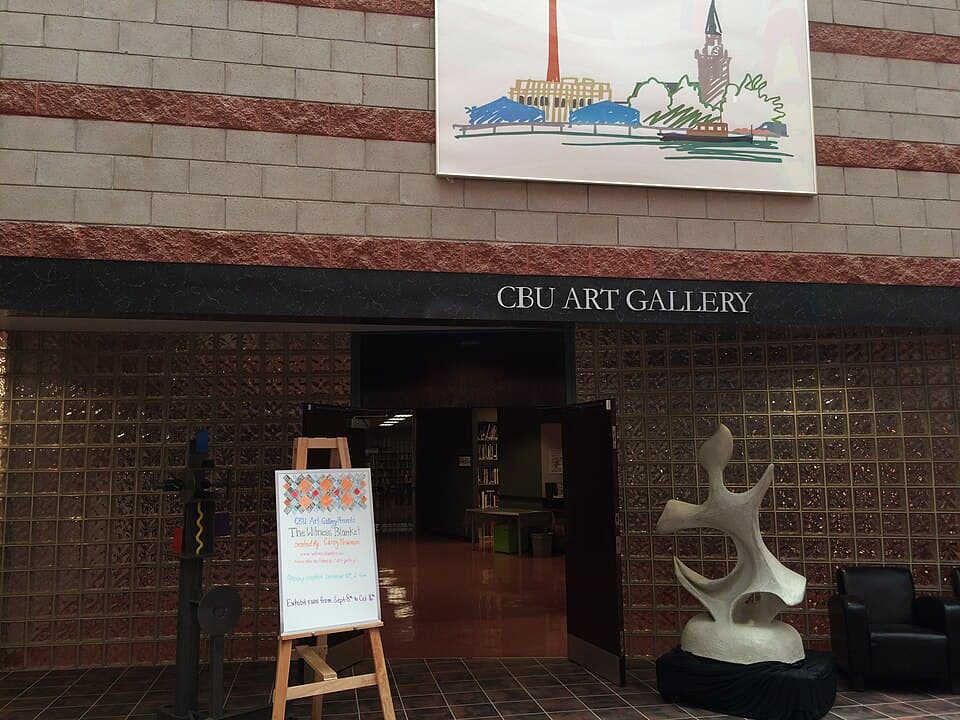
CBU's campus-life page names the Boardmore Theatre, CBU Art Gallery, and Beaton Institute as anchors. The Beaton Institute is the island's cultural-heritage archive. These anchors are for performing arts, visual arts, and historical research.
Applies to: All applicants
Cape Breton University: Campus recreation, creative arts, and cultural facilities · Verified August 16, 2026
General high-school admission floor
Current requirements · Published for this period
CBU publishes a 65% overall high-school average for most credit programs. Applicants must be at least 16, and CBU says it accepts candidates who verify the minimum requirements if space permits.
The minimum establishes eligibility, not a guarantee where space or program capacity is limited.
Applies to: All applicants
Cape Breton University: General undergraduate admission requirements · Verified August 16, 2026
Ontario Arts and Community Studies requirements
Current Ontario requirements · Published for this period
BA and BACS applicants need ENG4U plus four additional Grade 12 4U or 4M courses and a 65% minimum overall average.
Applies to: Ontario high school
Cape Breton University: Ontario high-school admission requirements by program · Verified August 16, 2026
Ontario BASE requirements
Current Ontario requirements · Published for this period
The Bachelor of Arts and Science in Environment needs ENG4U. It also needs one 4U Mathematics course. You need one 4U Biology, Chemistry, or Physics course. You also need two more 4U or 4M courses. Your overall average must be at least 75%.
Applies to: Ontario high school
Cape Breton University: Ontario high-school admission requirements by program · Verified August 16, 2026
Ontario Business requirements
Current Ontario requirements · Published for this period
BBA applicants need ENG4U. They need any Grade 12 4U Mathematics course. They need three more 4U or 4M courses. They need a 65% minimum overall average.
Applies to: Ontario high school
Cape Breton University: Ontario high-school admission requirements by program · Verified August 16, 2026
Ontario Engineering transfer requirements
Current Ontario requirements · Published for this period
Engineering transfer needs ENG4U. It needs any 4U Mathematics course. It needs two 4U sciences. It needs one more 4U or 4M course. It needs a 65% minimum overall average. CBU recommends pre-calculus, Chemistry, and Physics.
Applies to: Ontario high school
Cape Breton University: Ontario high-school admission requirements by program · Verified August 16, 2026
Ontario Science requirements
Current Ontario requirements · Published for this period
BSc applicants need ENG4U. They need any Grade 12 4U Mathematics course. They need two 4U sciences from Biology, Chemistry, Geology, Environmental Science, or Physics. They need one more 4U or 4M course. They need a 65% overall minimum. Pre-calculus is recommended.
Applies to: Ontario high school
Cape Breton University: Ontario high-school admission requirements by program · Verified August 16, 2026
Nursing direct-entry academic minimum
Current requirements · Published for this period
The direct-entry Nursing pathway is September-only. It needs English 12 and Mathematics 12. It needs two Grade 12 sciences. It needs one more academic or advanced Grade 12 course. You need at least 70% in every required course. Biology and Chemistry are recommended.
Applies to: All applicants
Cape Breton University: Bachelor of Science, Nursing pathway admission requirements · Verified August 16, 2026
Canadian early-admission pattern
Current published pattern · Published for this period
Canadian high-school students can apply for early admission from September 30. They need at least a 75% average in the required Grade 11 courses. They must be registered in the required Grade 12 courses. Nursing is excluded. The final official transcript is due June 30 of the graduating year.
Applies to: Ontario high school, Other Canadian
Cape Breton University: Canadian applicants, early admission, and final transcripts · Verified August 16, 2026
Latest Canadian general-undergraduate fall deadline
Fall 2026, latest available · Latest published information; newer cycle not yet confirmed
The latest published general-undergraduate fall row opened September 15, 2025 and closes September 2, 2026. CBU warns that applications may close early if enrolment targets are met.
Applies to: Ontario high school, Other Canadian, Transfer, Mature
Cape Breton University: Canadian application deadlines by program and intake · Verified August 16, 2026
Latest international general-undergraduate fall deadline
Fall 2026, latest available · Latest published information; newer cycle not yet confirmed
For the listed general undergraduate degrees, the latest fall cycle opened November 17, 2025 and closes May 15, 2026. CBU warns that international intakes may close early when targets are met.
Applies to: International
Cape Breton University: International application deadlines by program and intake · Verified August 16, 2026
Undergraduate application fees
Current fee · Published for this period
CBU's direct application costs $40 CAD for Canadian citizens and permanent residents. It costs $80 CAD for international applicants. Both fees are non-refundable.
Applies to: All applicants
Cape Breton University: Undergraduate application steps and application fees · Verified August 16, 2026
Official transcript requirements
Current process · Published for this period
Current secondary students submit an official transcript listing completed and in-progress courses; graduates submit a final official transcript. Applicants with post-secondary history must provide official transcripts from every institution attended, with notarized English translations where required.
Applies to: All applicants
Cape Breton University: Supporting-document and official-transcript requirements · Verified August 16, 2026
General undergraduate English minimums
Current requirements · Published for this period
General minimums include IELTS Academic 6.5 with no band below 6.0. They include Duolingo 120 with no subscore below 105. They include PTE 59 with no score below 50. They include CAEL 60 with no score below 50. They include Oxford ELLT 7 with no score below 6.
Applies to: International
Cape Breton University: English-language requirements and Nursing minimums · Verified August 16, 2026
Higher Nursing English minimums
Current requirements · Published for this period
Nursing requires IELTS 7.0 with no band below 6.5, Duolingo 130 with no subscore below 120, PTE 66 with no score below 59, CAEL 70 with no score below 60, or Oxford ELLT 8 with no score below 7. CBU grants no prior-English-study exemption to Nursing applicants.
Applies to: International
Cape Breton University: English-language requirements and Nursing minimums · Verified August 16, 2026
Official CBU admissions sources
Programs and Pathways
Cape Breton University programs and distinctive pathways
CBU's strongest differentiators sit at the intersections of island place, professional preparation, and Indigenous knowledge. BASE joins arts and science, Engineering begins at CBU and finishes at Dalhousie, Public Health leads toward environmental-health certification, and Unama'ki College supports community-rooted Indigenous learning.
Arts, Community Studies, and Business
BA and BACS are available in three- and four-year structures. The BBA is a four-year degree. Each is listed as co-op eligible on CBU's current Co-operative Education page.
Selection: Ontario Arts applicants need ENG4U, while BBA adds a Grade 12 4U Mathematics course.
Bachelor of Arts and Science in Environment (BASE)
This is CBU's first fully interdisciplinary degree. It combines a science concentration and an arts or social-science concentration. It also has environment-themed core courses. Indigenous perspectives enrich those courses.
Selection: For Ontario applicants, the published minimum is 75% overall. They also need English, Mathematics, and a senior science.
Engineering transfer
Students do years one and two at CBU. They do years three and four at Dalhousie. They choose among civil, environmental, electrical, industrial, mechanical, and chemical engineering.
Selection: The first year is common. Students apply to both CBU and Dalhousie for a discipline seat at the end of first year. They are registered at both institutions in year two.
Public Health
The BHSc centres on environmental health. You can enter through direct-entry, accelerated, and in-career streams. Topics include food safety. They also include water and air quality. They include communicable disease control. And they include occupational health and safety.
Selection: The direct-entry four-year route is one of six Canadian programs accredited by CIPHI. According to CBU, it is the only one east of Montreal.
Nursing
CBU publishes a three-year direct-entry route and a two-year advanced-standing route. CBU also publishes an LPN-to-RN pathway. Each has separate prerequisites and intake rules.
Selection: Direct entry needs 70% in each required high-school course. International Nursing applicants face higher English minimums. There is no exemption for prior English study.
Unama'ki College and Mi'kmaw learning
Unama'ki College combines academic programs, courses delivered in Mi'kmaw communities, Knowledge Keepers, culturally significant spaces, and individualized Indigenous student support.
Selection: Its programs serve prospective high-school and mature learners. The programs are developed with local Mi'kmaw communities.
Environmental studies
BASE
This is CBU's first degree that mixes subjects fully. It brings together science, arts or social science, and environment core courses. Indigenous perspectives enrich these courses.
Professional differentiator
CIPHI-accredited BHSc
CBU says Public Health is one of six accredited Canadian programs and the only one east of Montreal.
Engineering structure
2 years CBU + 2 Dal
Students choose among six disciplines and apply to both institutions for the discipline seat.
A transfer route is a two-institution budget
CBU's Engineering tuition table covers only years one and two at CBU. Students are registered at CBU and Dalhousie during year two and complete years three and four at Dalhousie. Admission, discipline allocation, relocation, and the later Dalhousie bill all belong in the plan from the start.
BASE interdisciplinary structure
Current program · Published for this period
CBU calls BASE its first fully interdisciplinary degree. Students complete a science concentration and an arts or social-science concentration. They also complete a core of environment-themed courses.
Applies to: All applicants
Cape Breton University: Bachelor of Arts and Science in Environment · Verified August 16, 2026
Indigenous knowledge in BASE
Current program · Published for this period
Respect for and inclusion of Indigenous knowledge is a guiding principle of BASE. CBU says every student can take Mi'kmaq Studies courses toward the degree.
Applies to: All applicants
Cape Breton University: Bachelor of Arts and Science in Environment · Verified August 16, 2026
CBU–Dalhousie Engineering structure
Current program · Published for this period
CBU delivers years one and two of the four-year Bachelor of Engineering, while years three and four are completed at Dalhousie. The first year is common, and students apply to both institutions for a discipline seat before the jointly registered second year.
Applies to: All applicants
Cape Breton University: Bachelor of Engineering transfer pathway with Dalhousie · Verified August 16, 2026
Six Engineering discipline options
Current program · Published for this period
CBU offers the first two years of civil, environmental, electrical, industrial, mechanical, and chemical engineering, describing itself as one of the few Dalhousie Associated Universities to cover all six.
Applies to: All applicants
Cape Breton University: Bachelor of Engineering transfer pathway with Dalhousie · Verified August 16, 2026
Environmental Public Health focus
Current program · Published for this period
CBU's BHSc centres on environmental health. It covers food safety. It covers water and air quality. It covers communicable-disease control. It also covers occupational health and safety.
Applies to: All applicants
Cape Breton University: Bachelor of Health Sciences in Public Health · Verified August 16, 2026
Public Health accreditation
Current program · Published for this period
CBU states that its Public Health degree is one of six Canadian programs accredited by the Canadian Institute of Public Health Inspectors. It is the only one east of Montreal. Graduates meet the academic requirement to pursue a practicum and CPHI(C) certification.
The practicum and remaining certification requirements are separate from earning the degree.
Applies to: All applicants
Cape Breton University: Bachelor of Health Sciences in Public Health · Verified August 16, 2026
Three Public Health streams
Current program · Published for this period
CBU publishes a four-year high-school-entry route. It also publishes a two-year accelerated route for applicants with prior science education. There is also an in-career route for military workers who already hold Canadian public-health-inspector certification.
Applies to: All applicants, Transfer
Cape Breton University: Bachelor of Health Sciences in Public Health · Verified August 16, 2026
Three Nursing pathways
Current program · Published for this period
CBU publishes a three-year, eight-semester direct-entry route. It also publishes a two-year, six-semester advanced-standing route. There is also an LPN-to-RN pathway. It requires an accredited Canadian practical-nursing credential and recent work experience.
Applies to: All applicants, Transfer
Cape Breton University: Bachelor of Science, Nursing pathway admission requirements · Verified August 16, 2026
Indigenous pathways and community delivery
Current programs · Published for this period
Unama'ki College builds pathways with local Mi'kmaw communities. These are for high-school and mature learners. The pathways use flexible CBU or community delivery. They also use personal guidance and Indigenous views.
Applies to: All applicants, Mature
Cape Breton University: Unama'ki College programs, spaces, and student support · Verified August 16, 2026
Residence and Campus Fit
Cape Breton University residence fees and meal plans
CBU's live housing table shows prices per semester. But the table does not label an academic year. Use it as the current planning snapshot, not a confirmed 2027–2028 quote. Match the mandatory meal arrangement to the exact room type.
| Residence and room | Room per semester | Meal arrangement |
|---|---|---|
| Alumni Hall apartment | $3,610 per semester | $500 declining-balance plan mandatory; other plans optional |
| Alumni Hall double dormitory | $2,380 per semester | $2,200 Flex Plan mandatory; full plan optional |
| Cabot Residence apartment | $3,610 per semester | $500 declining-balance plan mandatory; other plans optional |
| Harriss Hall | $3,600 semi-private / $4,300 private per semester | $3,625 full meal plan mandatory |
| MacDonald Residence double dormitory | $2,500 per semester | $500 declining-balance plan mandatory; other plans optional |
Application fee
$25
Non-refundable for a first-time residence applicant and required for consideration.
Confirmation fee
$700
Due after a residence offer; refundable only when admission to CBU is not granted.
Room range
$2,380–$4,300/term
The live table's range before the mandatory meal arrangement for the room type.
No published Fall 2027 guarantee
Apply early and keep an off-campus backup
CBU explains that students apply after receiving their university email, wait for an accommodation offer, and then pay the confirmation deposit. Its public pages do not promise a first-year space or publish a Fall 2027 guarantee deadline. The 2027–2028 room and meal rates are also still unpublished.
Current residence options
Current live pages · Published for this period
CBU's current public pages describe apartment, double-dormitory, semi-private, and private layouts. These layouts are across Alumni Hall, Cabot Residence, Harriss Hall, and MacDonald Residence.
Applies to: All applicants
Cape Breton University: Current residence and dining fee table · Verified August 16, 2026
Alumni Hall room and meal costs
Current live rate table; year not labelled · Published for this period
The current unlabelled rate table lists Alumni apartments at $3,610 per semester. A $500 declining-balance plan is mandatory. It lists double dormitory rooms at $2,380 per semester. A $2,200 Flex Plan is mandatory.
CBU does not label the live residence table 2026–2027, so verify rates before accepting an offer.
Applies to: All applicants
Cape Breton University: Current residence and dining fee table · Verified August 16, 2026
Cabot Residence apartment cost
Current live rate table; year not labelled · Published for this period
The current unlabelled table lists Cabot Residence apartments at $3,610 per semester. The $500 declining-balance plan is mandatory. Full or Flex plans are optional.
Applies to: All applicants
Cape Breton University: Current residence and dining fee table · Verified August 16, 2026
Harriss Hall room and meal costs
Current live rate table; year not labelled · Published for this period
Harriss Hall is listed at $3,600 per semester for a semi-private room and $4,300 for a private room. Its $3,625 full meal plan is mandatory and includes $150 in Flex Dollars.
Applies to: All applicants
Cape Breton University: Current residence and dining fee table · Verified August 16, 2026
MacDonald Residence room and meal costs
Current live rate table; year not labelled · Published for this period
MacDonald double rooms are listed at $2,500 per semester. A $500 declining-balance meal plan is mandatory. Full and Flex plans are optional.
Applies to: All applicants
Cape Breton University: Current residence and dining fee table · Verified August 16, 2026
Residence application and confirmation fees
Current live rate table · Published for this period
A first-time residence applicant pays a non-refundable $25 application fee. After receiving an offer, the student pays a $700 confirmation fee. That fee is refundable only if CBU admission is not granted.
Applies to: All applicants
Cape Breton University: Current residence and dining fee table · Verified August 16, 2026
Fall 2027 residence guarantee
2027 pending · Fall 2027
Not published. CBU's residence pages explain how to apply after receiving a CBU email and how to pay after an accommodation offer, but they do not promise a first-year space or state a Fall 2027 guarantee deadline.
Treat residence as unguaranteed unless CBU provides written confirmation and keep an off-campus backup.
Applies to: All applicants
Cape Breton University: On-campus residence buildings and application process · Verified August 16, 2026
Fall 2027 residence and dining rates
2027 pending · 2027–2028
Not published. The live fee table supplies current dollar figures but does not label them as 2027–2028 rates.
Use the unlabelled live table only as provisional planning evidence. Recheck before you pay a residence fee.
Applies to: All applicants
Cape Breton University: Current residence and dining fee table · Verified August 16, 2026
Student life beyond the room
CBU connects island outdoor recreation with club sports and creative arts. It also connects them with student success coaching. Indigenous spaces and mentorship come through Unama'ki College.
Campus recreation
Current campus life · Published for this period
CBU posts non-competitive Sports 4 All activities. It also posts intramurals. It posts student-led competitive club sports too. These include soccer, floor hockey, and basketball. They also include pickleball, cricket, and badminton.
Applies to: All applicants
Cape Breton University: Campus recreation, creative arts, and cultural facilities · Verified August 16, 2026
Cape Breton outdoor recreation
Current campus life · Published for this period
CBU links its island setting to outdoor leadership and recreation. Current opportunities include running, track-and-field training, skiing, and snowshoeing.
Applies to: All applicants
Cape Breton University: Campus recreation, creative arts, and cultural facilities · Verified August 16, 2026
Creative Arts participation
Current campus life · Published for this period
CBU advertises drop-in and rehearsed opportunities in improv, visual art, music, writing, podcasts, theatre, and dance. Showcases happen through Boardmore Theatre, the CBU Art Gallery, festivals, and performances.
Applies to: All applicants
Cape Breton University: Campus recreation, creative arts, and cultural facilities · Verified August 16, 2026
Personalized success coaching
Current student support · Published for this period
Academic Success Coaches offer one-on-one help with study techniques, schedules, and note-taking. They also help with time and stress management, transition to university, personal strengths, and goal setting.
Applies to: All applicants
Cape Breton University: Academic advising and success coaching · Verified August 16, 2026
Indigenous student spaces and cultural support
Current student support · Published for this period
Unama'ki College gives study and shared spaces. It gives areas for language learning and cultural ceremonies. It gives academic resources and cultural mentorship. It also gives community engagement and links to Knowledge Keepers.
Applies to: All applicants
Cape Breton University: Unama'ki College programs, spaces, and student support · Verified August 16, 2026
Official CBU residence and student-life sources
Housing and Location Questions
| Campus Setting | Smaller campus or close-knit community setting |
|---|---|
| Residence | Check the residence guarantee rules and first-year room styles. Also check meal plans, deposit deadlines, and off-campus housing pressure. |
| City Fit | Students should compare transit, weather, cost of living, safety, and community feel in Sydney. |
| Commuting | If living off campus, map commute time to classes, labs, placements, and evening activities before committing. |
Tuition, Scholarships, and Aid
Cape Breton University tuition and entrance scholarships
CBU now publishes detailed 2026–2027 totals by program and residency. The first three rows below are one-year general-undergraduate totals; the last two are full published program totals. Residence, dining, labs, books, and circumstance-specific charges can sit outside them.
| Category | Published amount | Basis |
|---|---|---|
| General undergraduate — Nova Scotia resident | $9,298.40 | Published 2026–2027 total for one 30-credit year. It includes typical medical and dental fees and the provincial per-course bursary. |
| General undergraduate — other Canadian province | $11,331.40 | Published 2026–2027 total for one 30-credit year, including typical medical and dental fees. |
| General undergraduate — international | $23,794.40 | Published 2026–2027 total for one 30-credit year, including the International Medical Plan A used in CBU's table. |
| Engineering transfer — full CBU portion | $22,662.80 other Canadian / $47,588.80 international | Published total for the two years delivered at CBU; later Dalhousie costs are not included. |
| Nursing direct entry — full program | $42,121.60 NS / $50,010.60 other Canadian | Published 2026–2027 table total for the three-year, eight-semester pathway. No international direct-entry total is listed. |
2027–2028 tuition is pending
The live finance pages are labelled 2026–2027. Those numbers are useful latest-available evidence. But they are not a Fall 2027 quote. Before you accept an offer, recheck the detailed Canadian or international table. Use the exact program and residency.
Major entrance awards CBU currently lists
These awards are limited. They are not an automatic ladder that turns your average into dollars. CBU needs an official transcript for entrance-scholarship consideration. CBU also needs a financial-need application for bursaries.
Chancellor's
$30,000 total ($7,500 yearly)
This is one of a limited number of major entrance scholarships. CBU does not publish a guaranteed average-to-dollar threshold on the live page.
President's
$20,000 total ($5,000 yearly)
Limited major entrance scholarship listed for entering students.
Deans'
$10,000 total ($2,500 yearly)
Limited major entrance scholarship listed for entering students.
Fitzgerald
$20,000 total ($5,000 yearly)
Limited major entrance scholarship listed on the current CBU page.
Schwartz
$14,000 total ($3,500 yearly)
Limited major entrance scholarship listed on the current CBU page.
W.M. Reid
$11,500 total
The live table states yearly amounts of $4,000 and $2,500 without publishing the distribution sequence.
President's Emerging Leader Award
Up to $20,000 each
This is confirmed for September 2027. It is for five Cape Breton students, distributed over the program. The nomination process involves school leadership and guidance counsellors.
Confirmed for September 2027
President's Emerging Leader Award
CBU announced five awards for Cape Breton students. Each is valued at up to $20,000 over the student's program. The university says candidates will be identified through recommendations from school leadership and guidance counsellors. The detailed nomination process is still being established.
General undergraduate Canadian annual costs
2026–2027 · Latest published information; newer cycle not yet confirmed
This is for a typical 30-credit general undergraduate year. CBU's 2026–2027 Canadian table lists $9,298.40 for Nova Scotia residents. It lists $11,331.40 for residents of other provinces. These amounts include the table's typical medical and dental fees.
Applies to: Ontario high school, Other Canadian, Transfer, Mature
Cape Breton University: 2026–2027 Canadian undergraduate cost breakdown · Verified August 16, 2026
General undergraduate international annual costs
2026–2027 · Latest published information; newer cycle not yet confirmed
CBU's 2026–2027 international table lists $23,794.40 for a typical 30-credit year. This is for a three- or four-year general undergraduate degree. It includes International Medical Plan A in the table's first semester.
Applies to: International
Cape Breton University: 2026–2027 international undergraduate cost breakdown · Verified August 16, 2026
Engineering transfer CBU-portion cost
2026–2027 published table · Latest published information; newer cycle not yet confirmed
CBU publishes two-year totals of $18,596.80 for Nova Scotia residents, $22,662.80 for other Canadian students, and $47,588.80 for international students. Those figures cover only the two years delivered at CBU.
Budget separately for the final two years at Dalhousie.
Applies to: All applicants
Cape Breton University: 2026–2027 undergraduate tuition and fee totals · Verified August 16, 2026
Direct-entry Nursing program cost
2026–2027 published table · Latest published information; newer cycle not yet confirmed
The 2026–2027 table publishes full direct-entry Nursing totals of $42,121.60 for Nova Scotia residents and $50,010.60 for students from other Canadian provinces. It does not list an international direct-entry total.
Applies to: Other Canadian, Ontario high school
Cape Breton University: 2026–2027 undergraduate tuition and fee totals · Verified August 16, 2026
Costs excluded from tuition totals
2026–2027 · Latest published information; newer cycle not yet confirmed
CBU states that residence and meal plans are not included in program totals. Its additional-fee table also lists separate charges that may apply. These include application, lab, late-registration, graduation, and learning-material costs.
Applies to: All applicants
Cape Breton University: 2026–2027 undergraduate tuition and fee totals · Verified August 16, 2026
Fall 2027 tuition and fees
2027 pending · 2027–2028
Not published. CBU's live tuition pages are labelled 2026–2027.
Use the labelled 2026–2027 amounts only for planning and recheck before accepting or budgeting for Fall 2027.
Applies to: All applicants
Cape Breton University: 2026–2027 undergraduate tuition and fee totals · Verified August 16, 2026
Major entrance scholarship values
Current award page · Published for this period
CBU lists limited Chancellor's ($30,000), President's ($20,000), Deans' ($10,000), Fitzgerald ($20,000), Schwartz ($14,000), and W.M. Reid ($11,500) entrance scholarships.
Applies to: All applicants
Cape Breton University: Entrance scholarships and bursaries · Verified August 16, 2026
Entrance scholarship consideration
Current award process · Published for this period
Entering students must submit an official transcript as well as the admission application. For bursary consideration, a financial-need application is required. High-school assessment uses the five courses required for admission. It requires no Grade 11 failures.
CBU's live page does not publish a guaranteed average-to-dollar entrance-scholarship ladder.
Applies to: All applicants
Cape Breton University: Entrance scholarships and bursaries · Verified August 16, 2026
President's Emerging Leader Award
September 2027 · Published for this period
CBU has confirmed that five Cape Breton students entering in September 2027 will receive awards. Each award is valued at up to $20,000 over their programs. Recommendations will come through school leadership and guidance counsellors. The nomination process is still to be established collaboratively.
Applies to: Ontario high school, Other Canadian
Cape Breton University: September 2027 President's Emerging Leader Award announcement · Verified August 16, 2026
Cost Planning
| Tuition | Tuition depends on your program. It also depends on your student status and year. Check domestic and international tuition. Check it on the official fee schedule. |
|---|---|
| Scholarships | Check automatic entrance awards, competitive major awards, faculty scholarships, and international-student awards. |
| Living Costs | Budget for residence or rent, food, and books. Budget for transit and health insurance. Budget for winter clothing and emergency funds. |
| Proof of Funds | International students should confirm current study-permit financial requirements and school-specific cost estimates. |
Student Life and Support
Fit Signals
| Community | Small university profile: compare the class feel and access to professors. Also compare student clubs and how easy it is to build community. |
|---|---|
| Student Supports | Review academic advising, accessibility services, mental health supports, international student services, and writing centres. |
| Clubs and Leadership | Look for discipline clubs, cultural groups, entrepreneurship programs, varsity/intramural sports, and volunteering. |
| First-Year Transition | Ask how orientation, peer mentorship, residence programming, and advising help students settle in. |
Co-op, Research, and Career Outcomes
Cape Breton University co-op and career preparation
CBU says co-op is paid, full-time work that gives credit. It switches with academic study. It is offered in a set list of degree structures, not every program. The public page does not promise a placement for everyone.
Paid, credit-bearing format
CBU describes each co-op work term as a full-time paid position. It alternates with academic study. It provides academic credit.
Where students can work
The university says approved co-op experience may be local, national, or international.
Eligible degrees
The live list includes four-year BBA, three- and four-year BA, four-year BASE, three- and four-year BACS, and three- and four-year Mechanical Engineering Technology.
Student status
CBU states that students remain full-time for university and Canada Student Loan purposes while on co-op.
Career support
Career Services delivers co-op. MYCareer lists workshops, career fairs, professional events, and job-search resources.
The exact eligible list matters
CBU currently lists four-year BBA, three- and four-year BA, four-year BASE, three- and four-year BACS, and three- and four-year Mechanical Engineering Technology. The Mechanical wording should not be expanded to every Engineering Technology discipline without confirmation from Career Services.
Confirm selection, sequence, fees, and job-search responsibility
The public co-op page does not state one university-wide GPA (grade point average), work-term count, fee schedule, or placement guarantee for every eligible degree. Ask Career Services for the current rules for the exact program. Do this before you use co-op as a deciding factor.
Career services beyond co-op
MYCareer gives CBU students one place to register for workshops, career fairs, and professional events. It also gives access to tools for job search and career-path development.
Co-op work-term format
Current program · Published for this period
CBU describes co-op as alternating academic study with full-time paid work terms. These work terms earn academic credit and career experience.
Applies to: All applicants
Cape Breton University: Co-operative Education structure and eligible programs · Verified August 16, 2026
Local, national, or international co-op
Current program · Published for this period
The co-op page says work may take place locally, nationally, or internationally. It says CBU follows CEWIL Canada national guidelines.
Applies to: All applicants
Cape Breton University: Co-operative Education structure and eligible programs · Verified August 16, 2026
Arts, Business, BASE, and BACS co-op eligibility
Current program · Published for this period
The current eligible list includes the four-year BBA in all disciplines. It also includes the three- and four-year BA in all disciplines, the four-year BASE, and the three- and four-year BACS in all disciplines.
Applies to: All applicants
Cape Breton University: Co-operative Education structure and eligible programs · Verified August 16, 2026
Mechanical Engineering Technology co-op eligibility
Current program · Published for this period
CBU also lists three- and four-year Mechanical Engineering Technology degree structures as co-op eligible. The page does not extend that statement to every Engineering Technology discipline.
Applies to: All applicants
Cape Breton University: Co-operative Education structure and eligible programs · Verified August 16, 2026
Full-time status during co-op
Current program · Published for this period
CBU states that a student remains full-time for both CBU and Canada Student Loan purposes while on a co-op term.
Applies to: All applicants
Cape Breton University: Co-operative Education structure and eligible programs · Verified August 16, 2026
MYCareer services
Current service · Published for this period
CBU students use MYCareer to register for workshops, career fairs, and professional events. They also use it to find job-search and career-path resources.
Applies to: All applicants
Cape Breton University: MYCareer workshops, fairs, and job-search resources · Verified August 16, 2026
Co-op selection, fees, and placement guarantee
2027 pending · Current public information
Not published on CBU's public co-op page. It does not state one university-wide admission GPA, work-term count, co-op fee, or placement guarantee for every eligible degree.
Confirm the sequence, eligibility threshold, fees, and job-search responsibilities with Career Services. Do this for the exact degree before you rely on co-op in a study plan.
Applies to: All applicants
Cape Breton University: Co-operative Education structure and eligible programs · Verified August 16, 2026
Official CBU co-op and career sources
Career Planning
| Experiential Learning | Check if your target program offers co-op or internships. Check if it offers clinical placements, practicums, studios, field schools, or research terms. |
|---|---|
| Career Services | Compare job boards, employer partnerships, resume support, interview preparation, and alumni mentoring. |
| Research Access | For graduate-school or professional-school pathways, look for undergraduate research assistant roles and lab access. |
| Outcome Questions | Ask where graduates work or study next, and whether outcomes differ by program, co-op stream, or campus. |
Cape Breton University gives credit for matching the right program. The 65% general floor does not replace BASE's 75%. It does not replace Nursing's course-level 70%. It does not replace senior Mathematics and Science prerequisites. Keep Fall 2027 facts separate from the published 2026 cycle. Budget from CBU's labelled 2026-27 fee tables. Do not treat them as a 2027 quote. Confirm residence and co-op details before you rely on either.
Cape Breton University admissions, costs, residence, programs, and co-op FAQs
Answers use CBU's own admissions, finance, residence, scholarship, program, Unama'ki College, and Career Services pages, with Fall 2027 facts marked confirmed or pending claim by claim.
Official Sources and Next Steps
Stellar keeps this guide structured for comparison. But official university pages remain the source of truth. They are the source of truth for program requirements, tuition, residence, scholarships, deadlines, and policy changes.
Prepared by Stellar Advisers Editorial Team · Reviewed August 16, 2026 · Editorial, corrections, and source methodology
Related Canadian universities
Compare 3 other Nova Scotia records, then continue through the national directory.