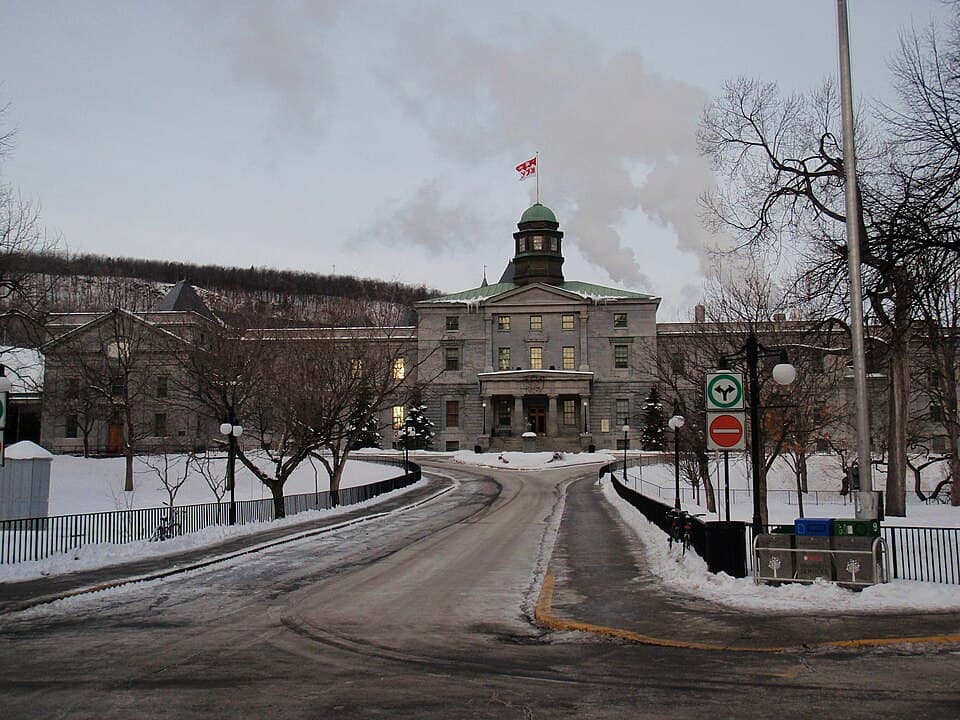
McGill University
Montreal, Quebec
#30 in the world #1 in Canada QS 2027

Compare 89 universities and university-level schools by province, size and program.
89 results
Sorted by QS World University Rankings 2027 position. Read the ranking methodology
Montreal, Quebec
#30 in the world #1 in Canada QS 2027
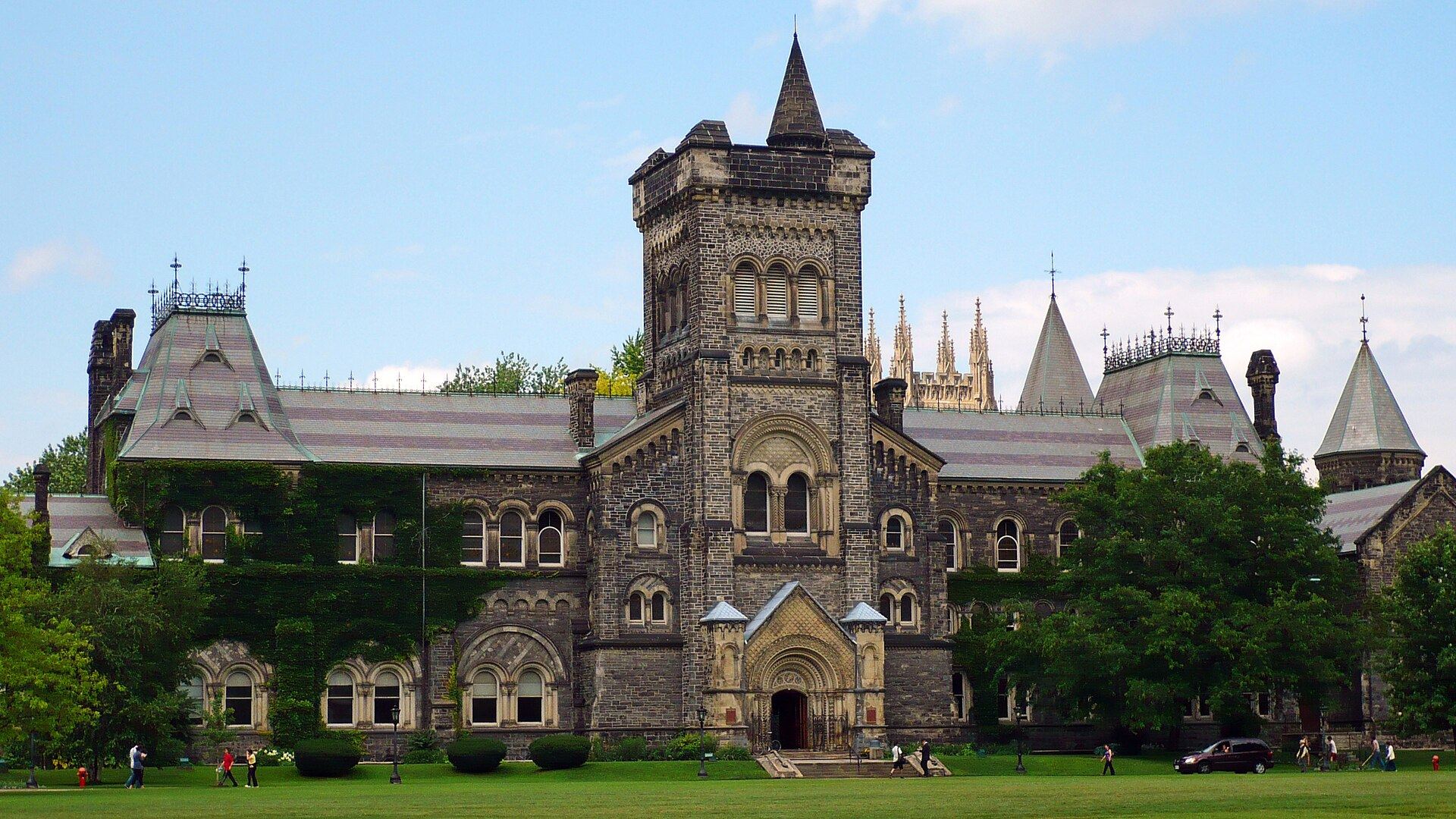
Toronto, Ontario
#32 in the world #2 in Canada QS 2027
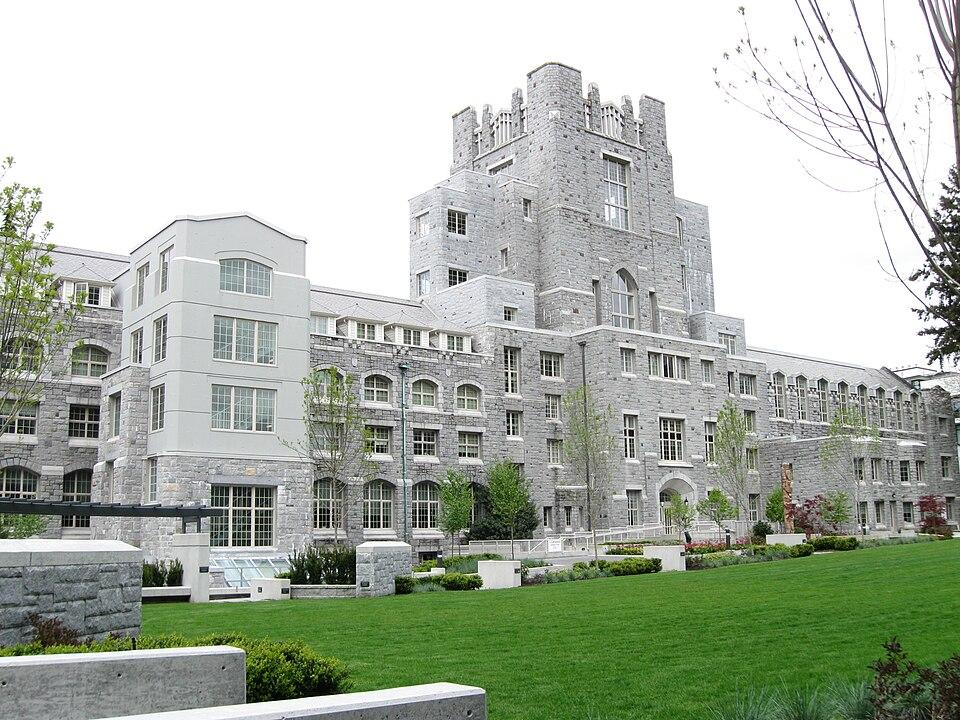
Vancouver, British Columbia
tied #45 in the world #3 in Canada QS 2027
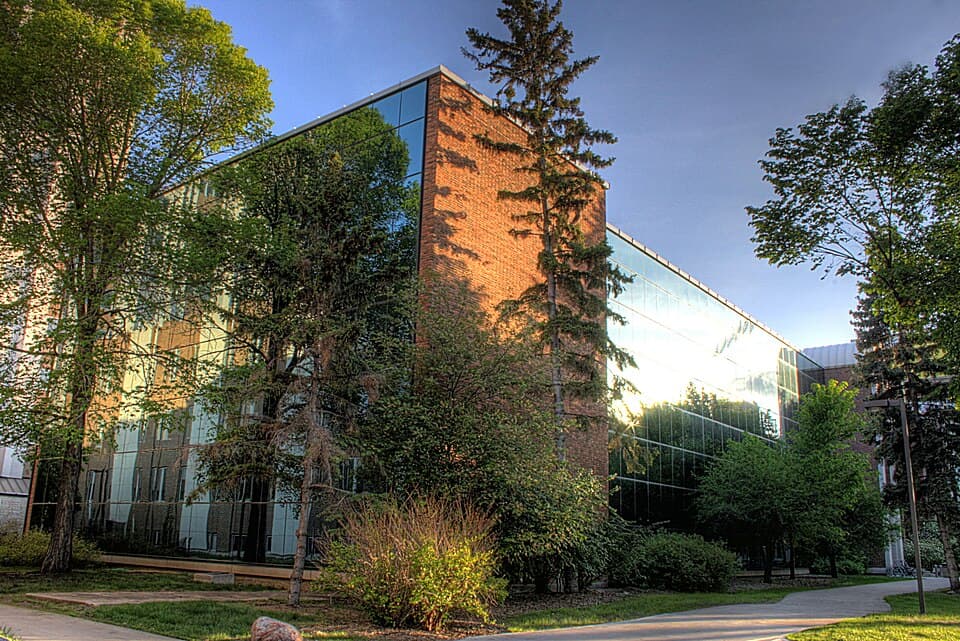
Edmonton, Alberta
#96 in the world #4 in Canada QS 2027
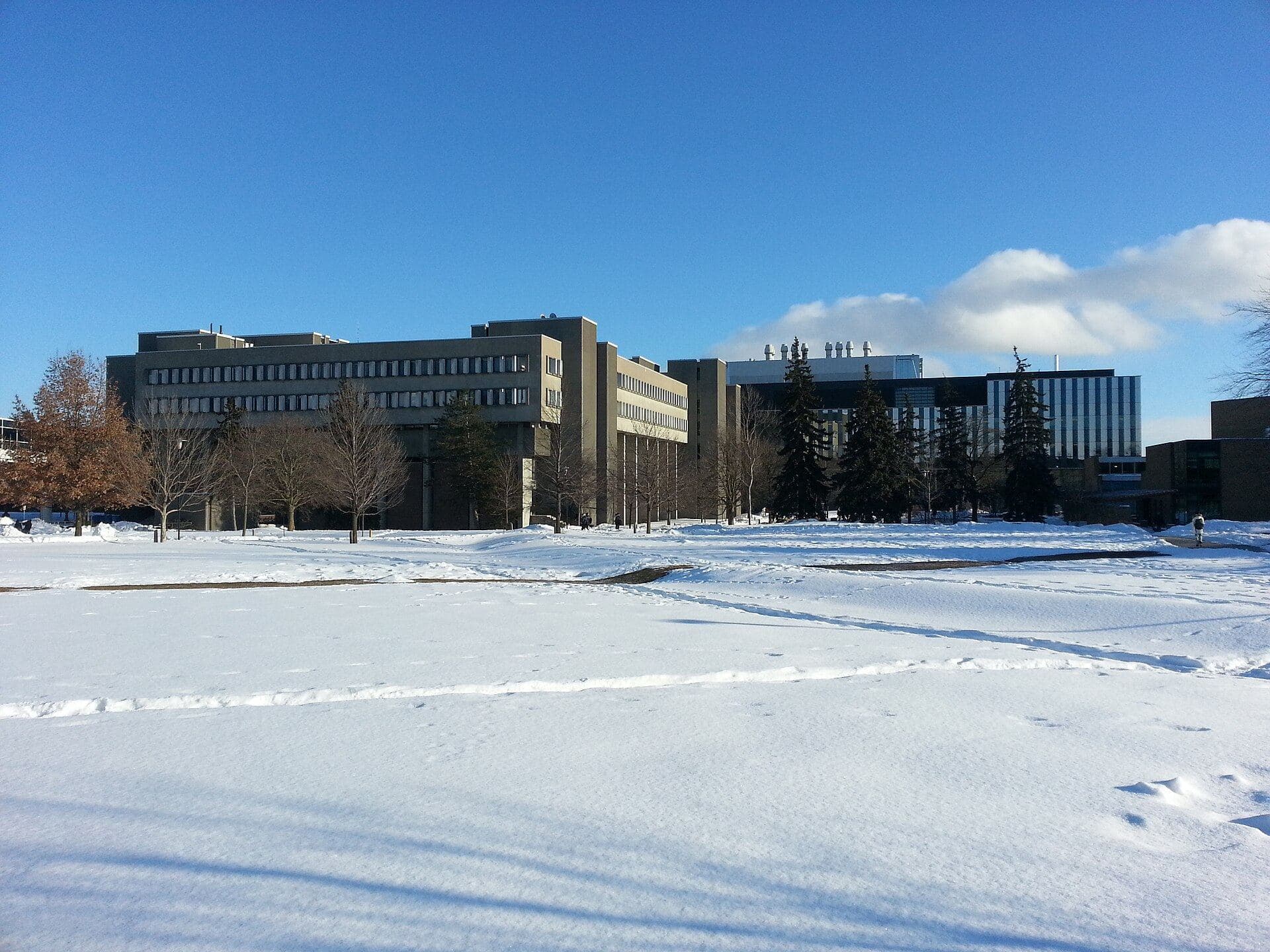
Waterloo, Ontario
tied #113 in the world #5 in Canada QS 2027
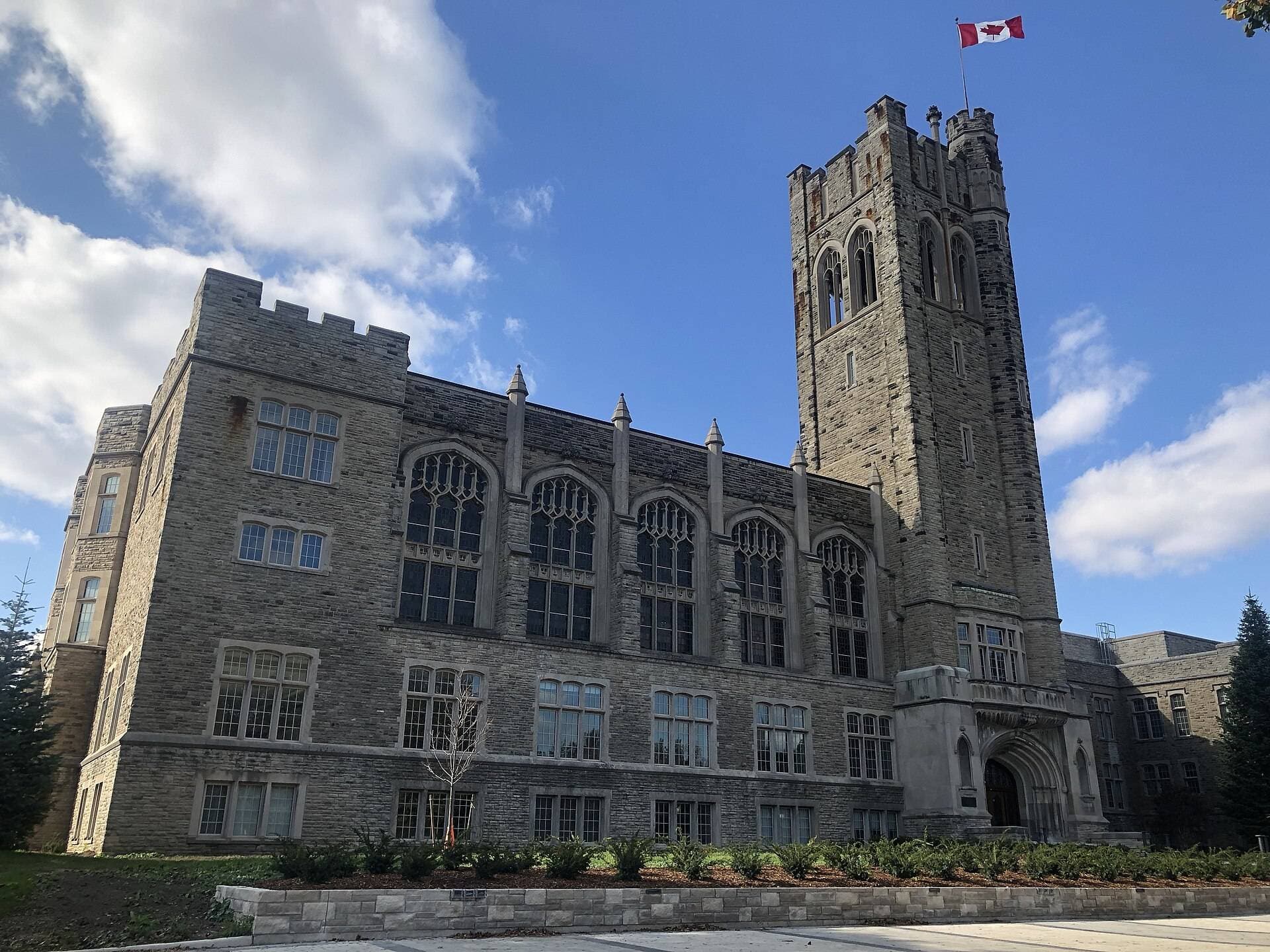
London, Ontario
tied #142 in the world #6 in Canada QS 2027
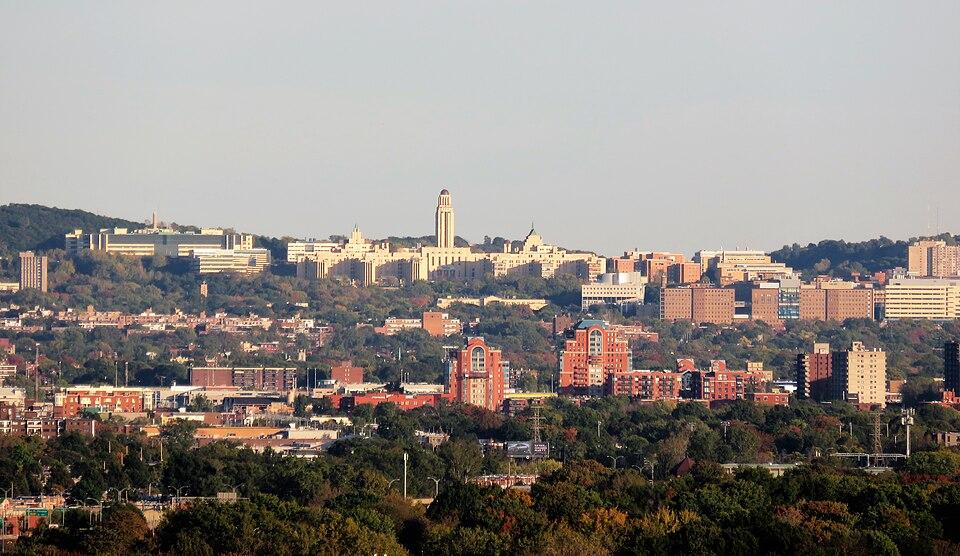
Montréal, Quebec
tied #162 in the world #7 in Canada QS 2027
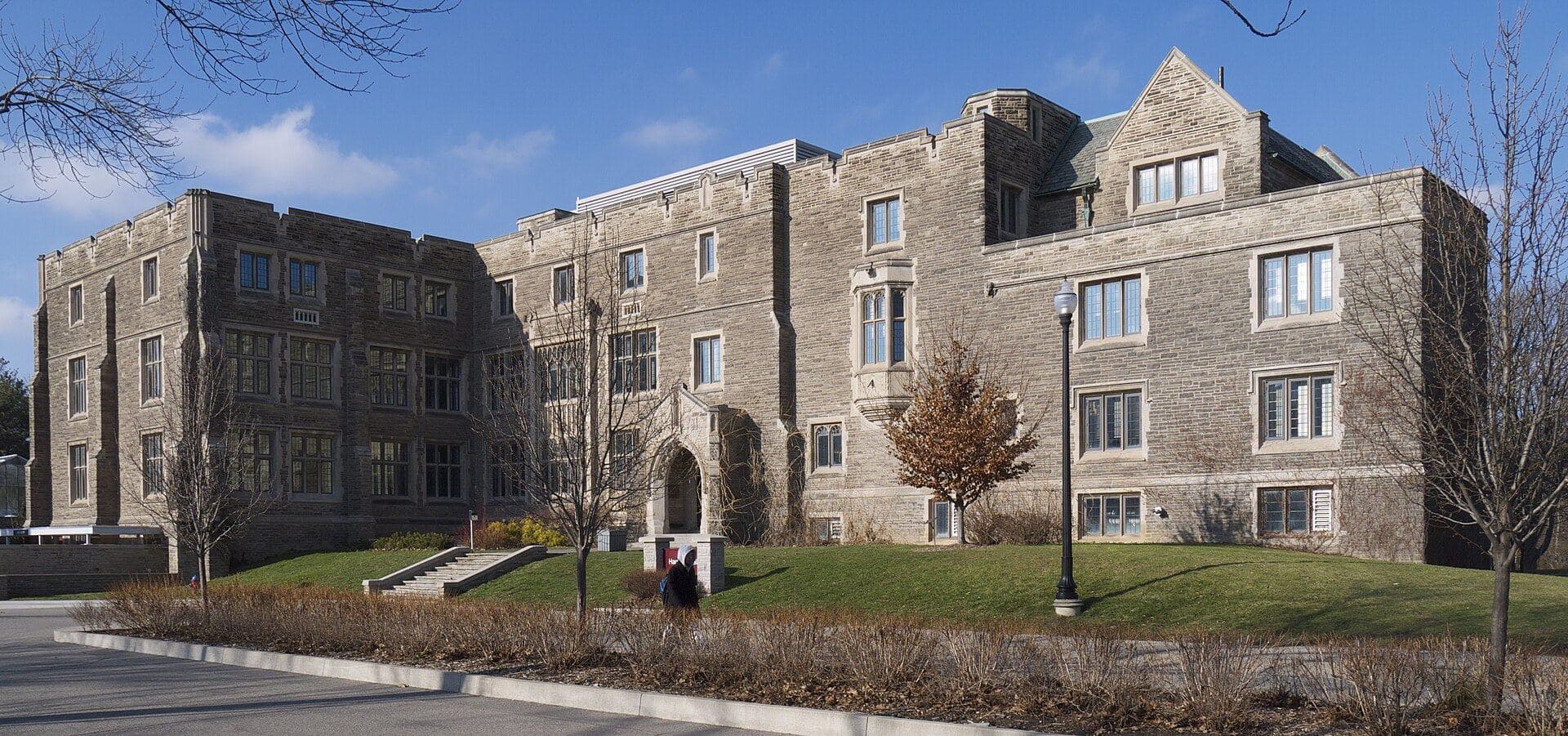
Hamilton, Ontario
tied #174 in the world #8 in Canada QS 2027
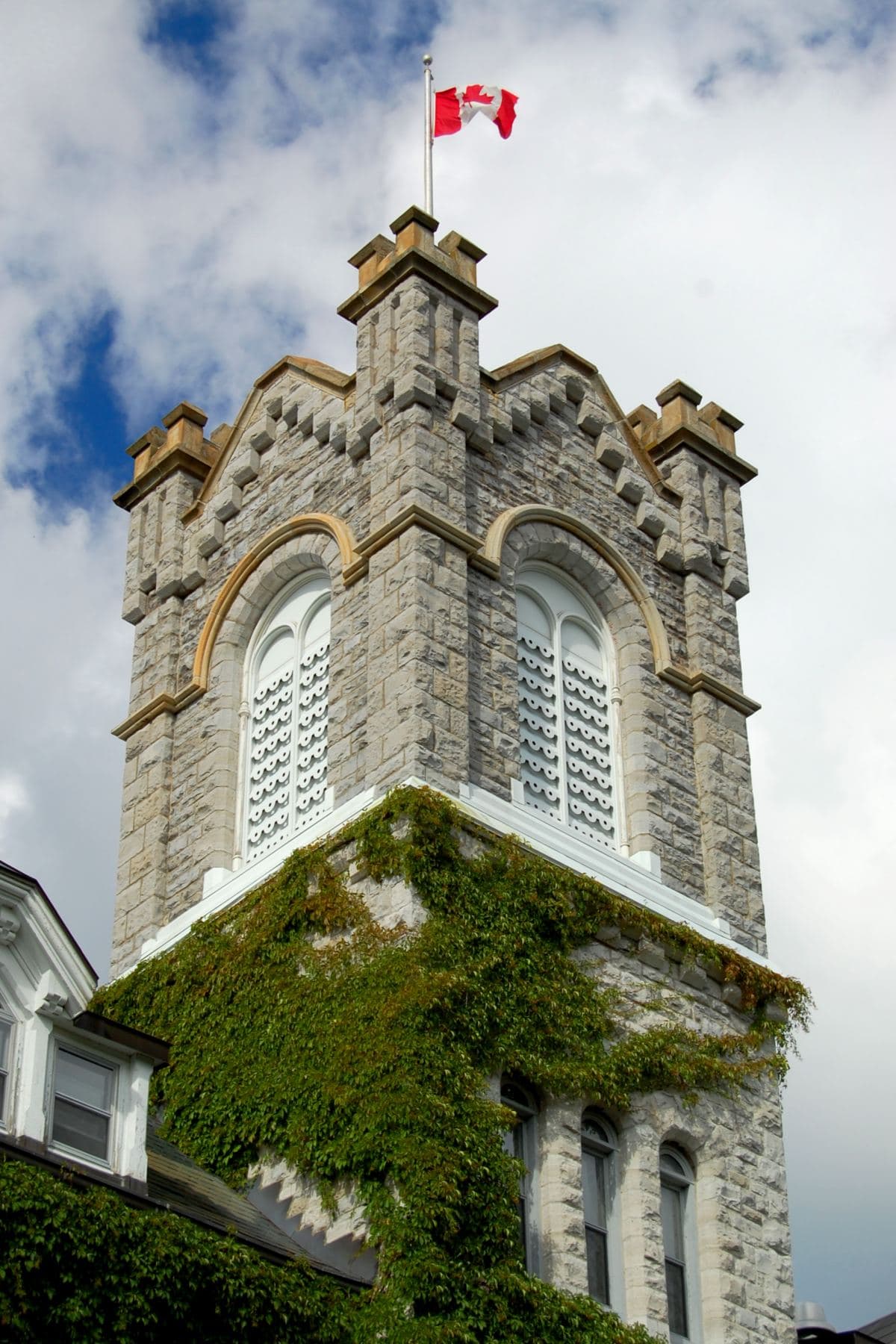
Kingston, Ontario
tied #179 in the world #9 in Canada QS 2027

Ottawa, Ontario
tied #228 in the world #10 in Canada QS 2027
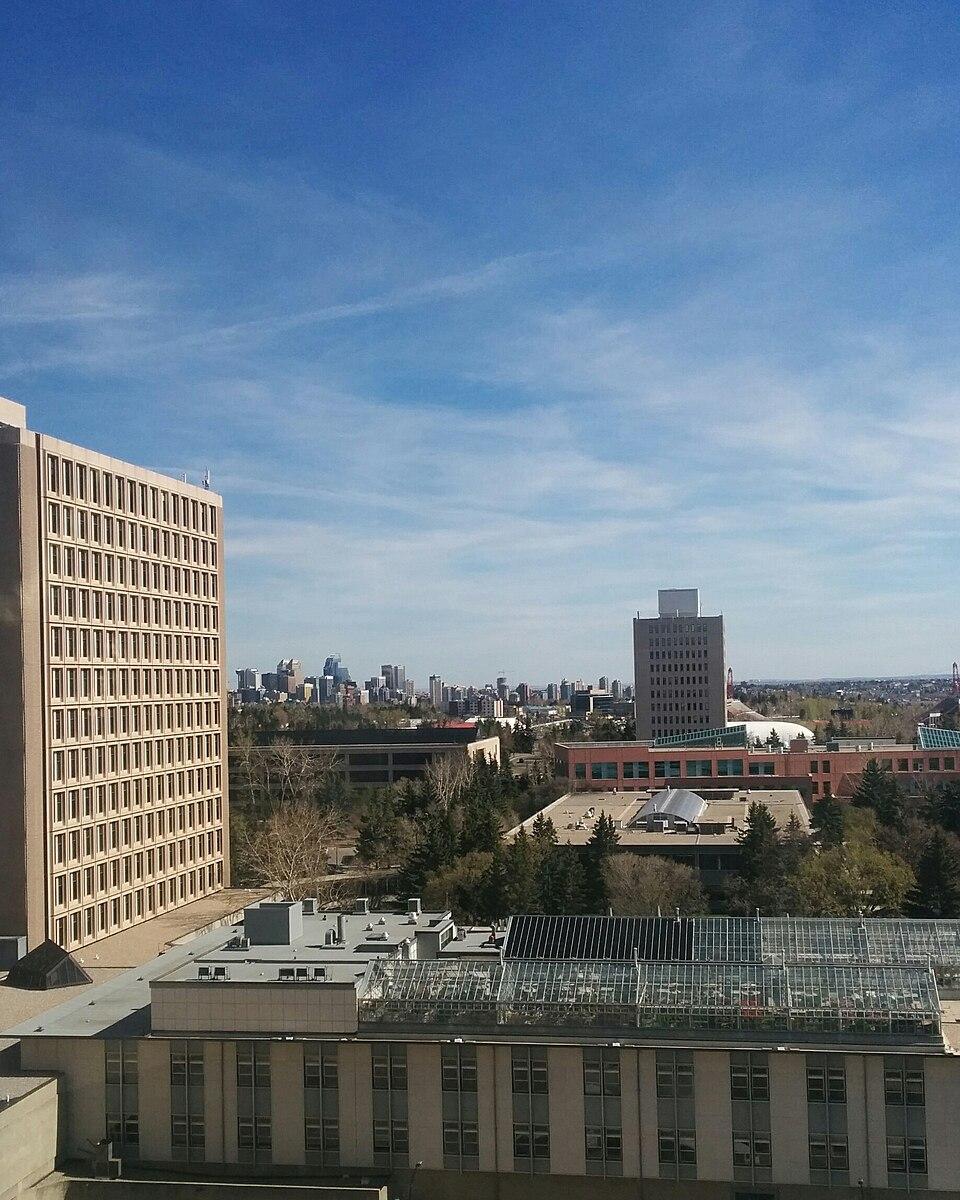
Calgary, Alberta
#249 in the world #11 in Canada QS 2027

Halifax, Nova Scotia
#298 in the world #12 in Canada QS 2027
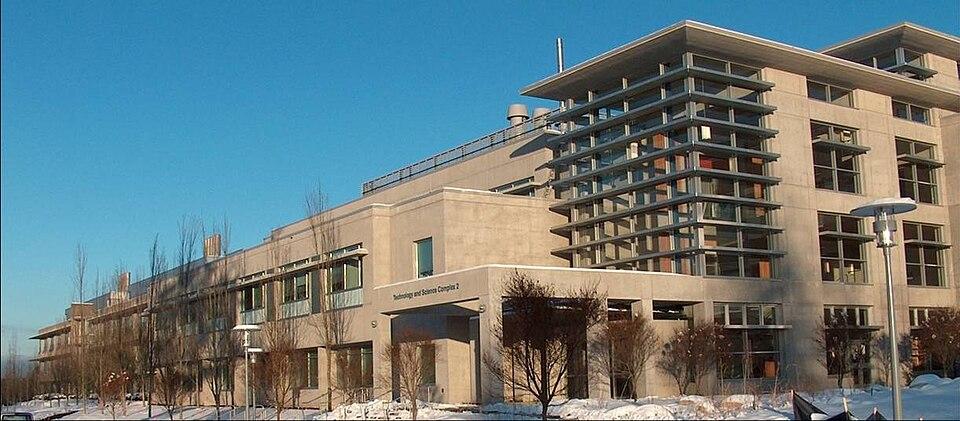
Burnaby, British Columbia
#312 in the world #13 in Canada QS 2027
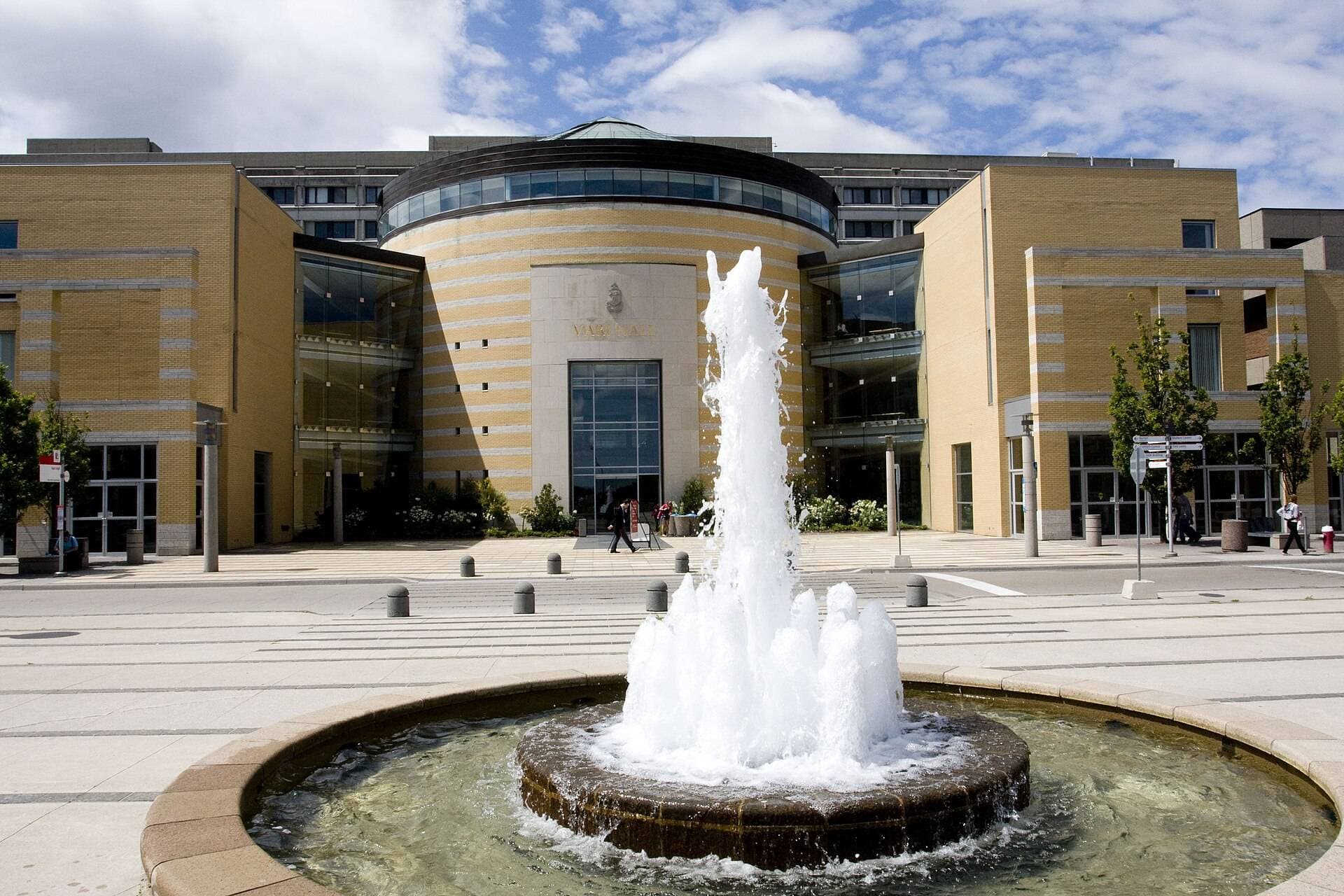
Toronto, Ontario
tied #322 in the world #14 in Canada QS 2027
Victoria, British Columbia
tied #370 in the world #15 in Canada QS 2027
Saskatoon, Saskatchewan
tied #411 in the world #16 in Canada QS 2027
Montreal, Quebec
tied #497 in the world #17 in Canada QS 2027

Quebec City, Quebec
tied #526 in the world #18 in Canada QS 2027
Windsor, Ontario
tied #537 in the world #19 in Canada QS 2027
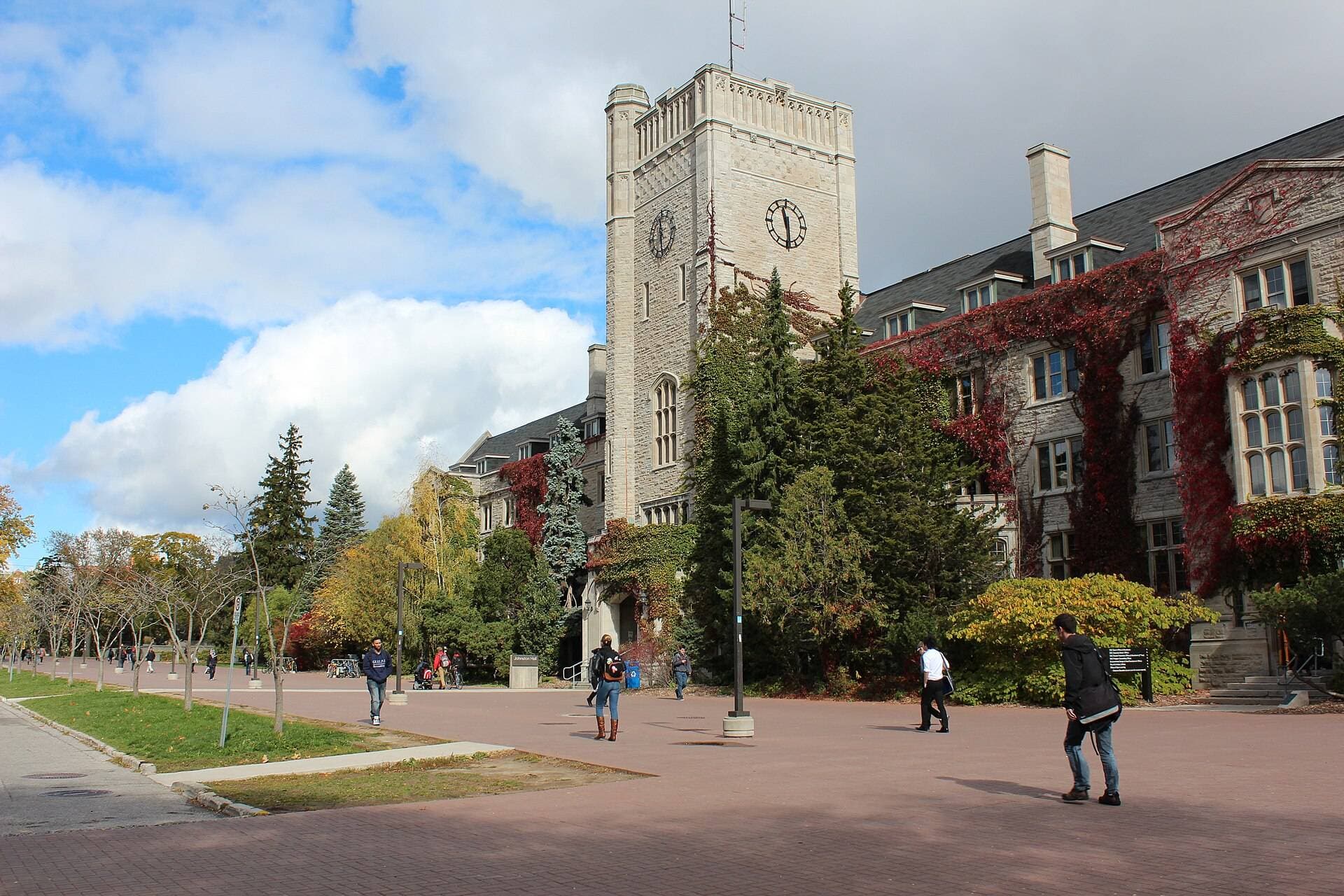
Guelph, Ontario
tied #546 in the world #20 in Canada QS 2027
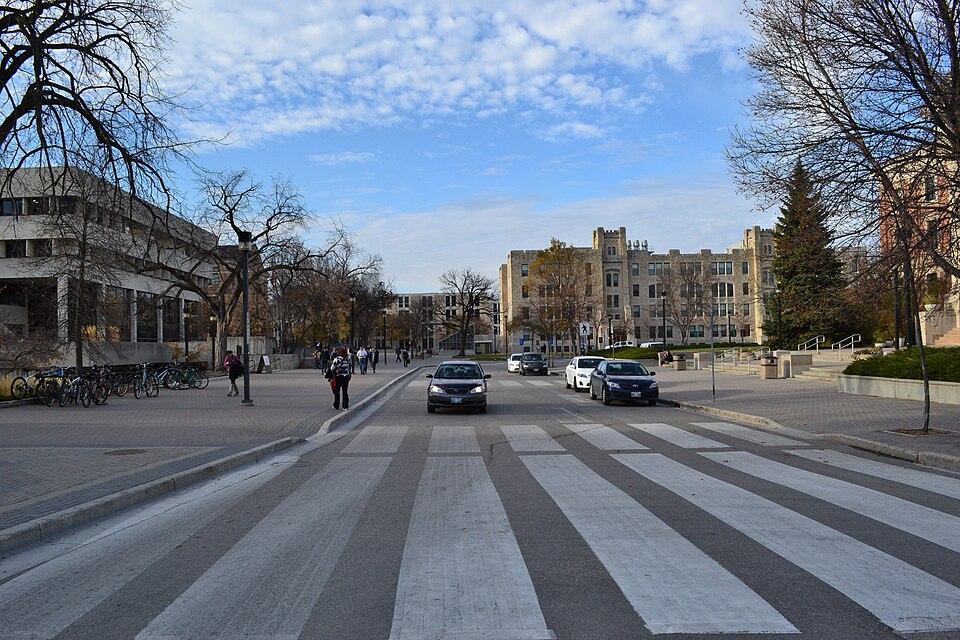
Winnipeg, Manitoba
tied #560 in the world #21 in Canada QS 2027
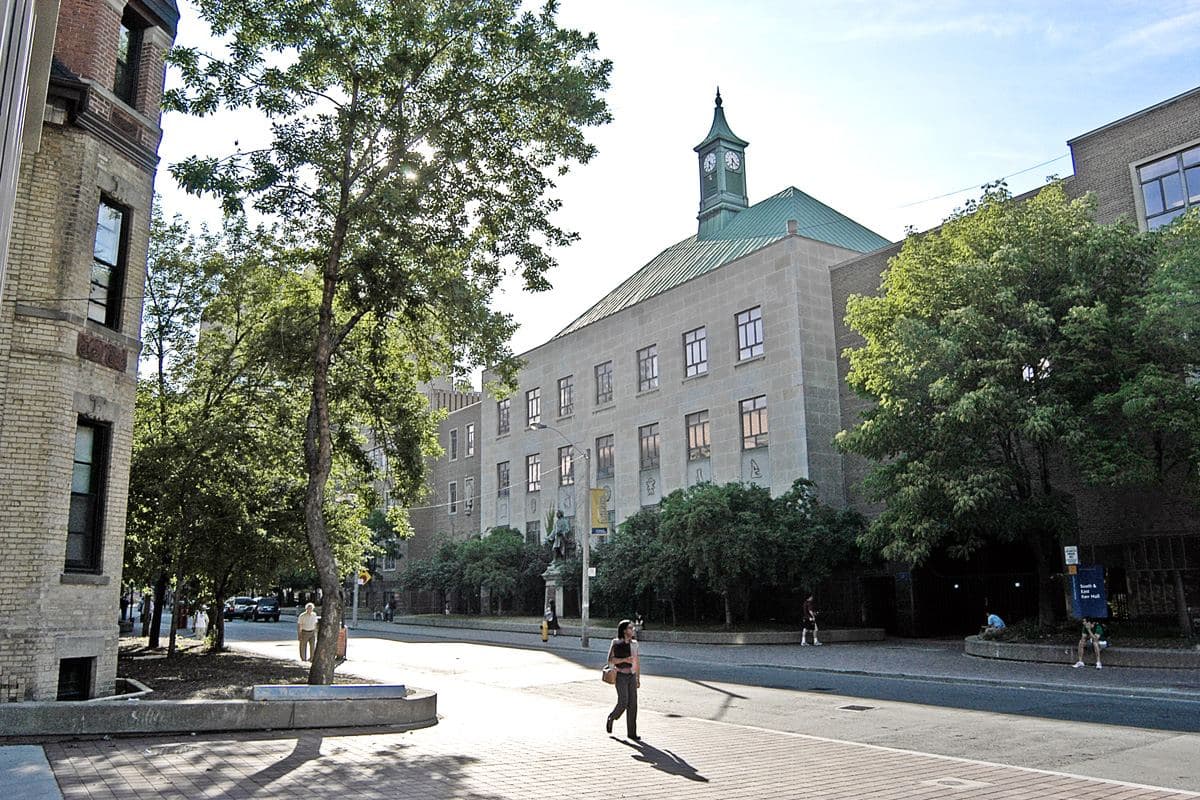
Toronto, Ontario
#669 in the world #22 in Canada QS 2027
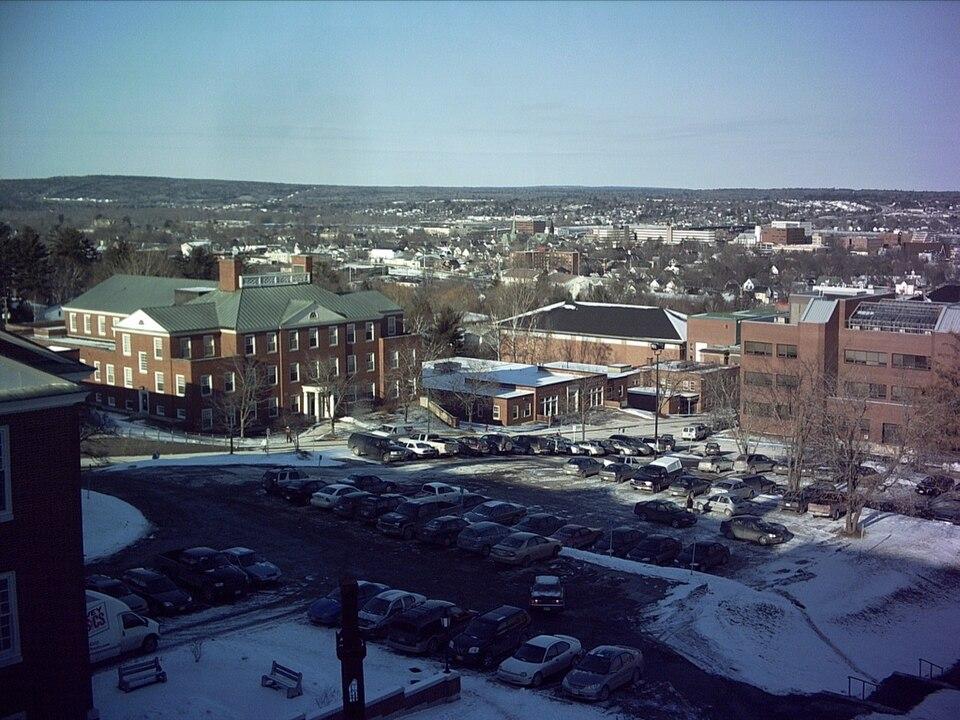
Fredericton, New Brunswick
tied #677 in the world #23 in Canada QS 2027

St. John's, Newfoundland and Labrador
#721–730 in the world #24 in Canada QS 2027
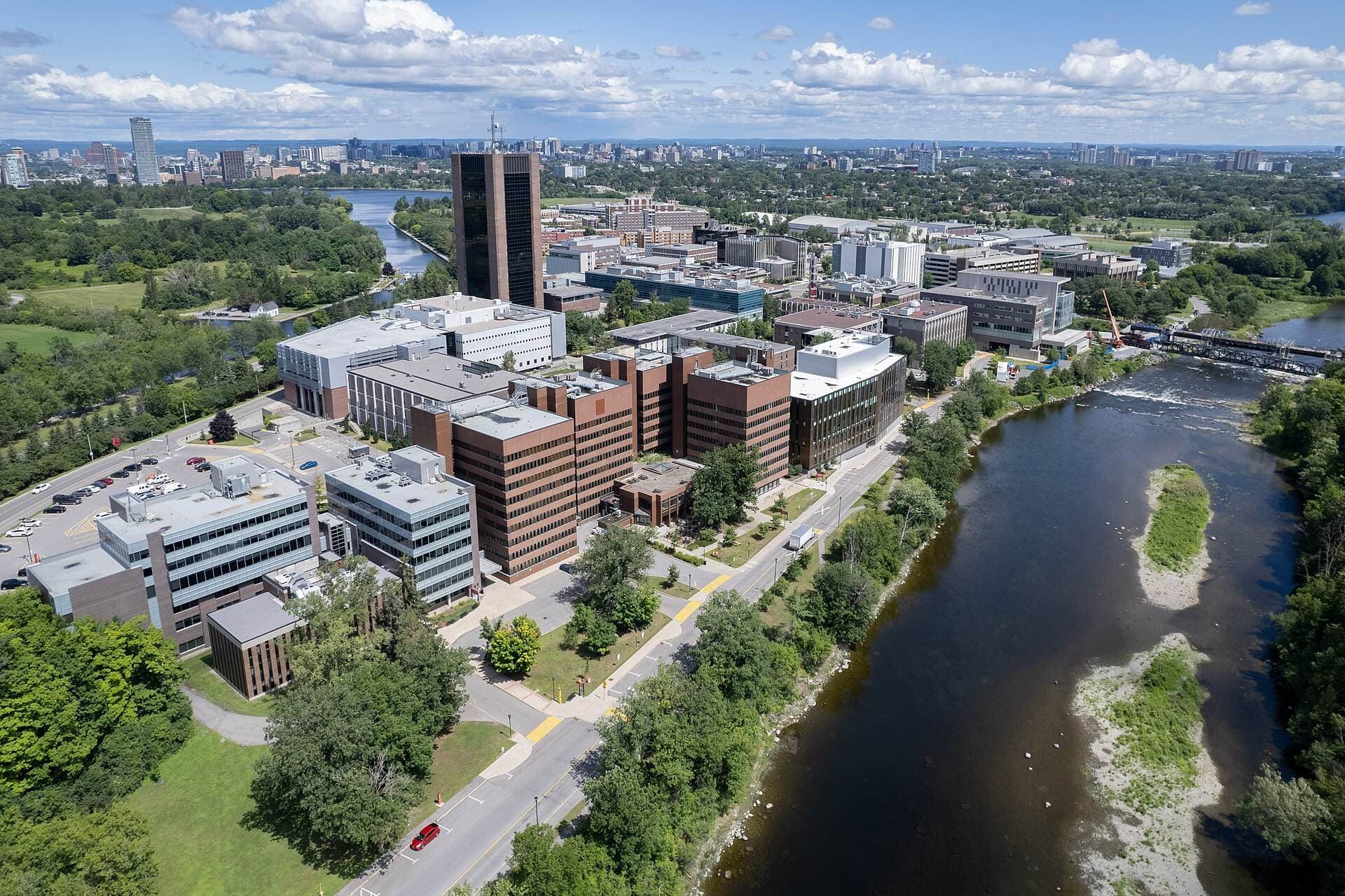
Ottawa, Ontario
#801–850 in the world #25 in Canada QS 2027

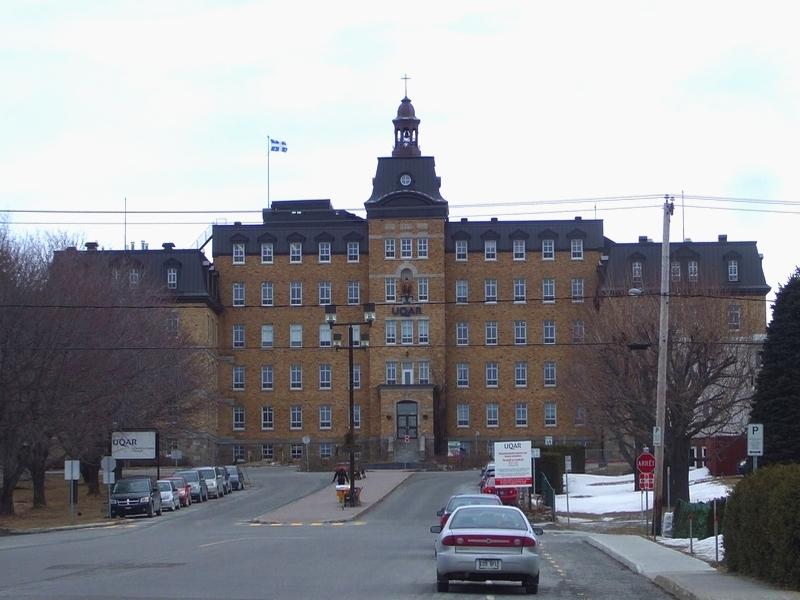
Sherbrooke, Quebec
#951–1000 in the world QS 2027
Quebec City, Quebec
#951–1000 in the world QS 2027

Regina, Saskatchewan
#1001–1200 in the world #28 in Canada QS 2027

St. Catharines, Ontario
#1201–1400 in the world QS 2027
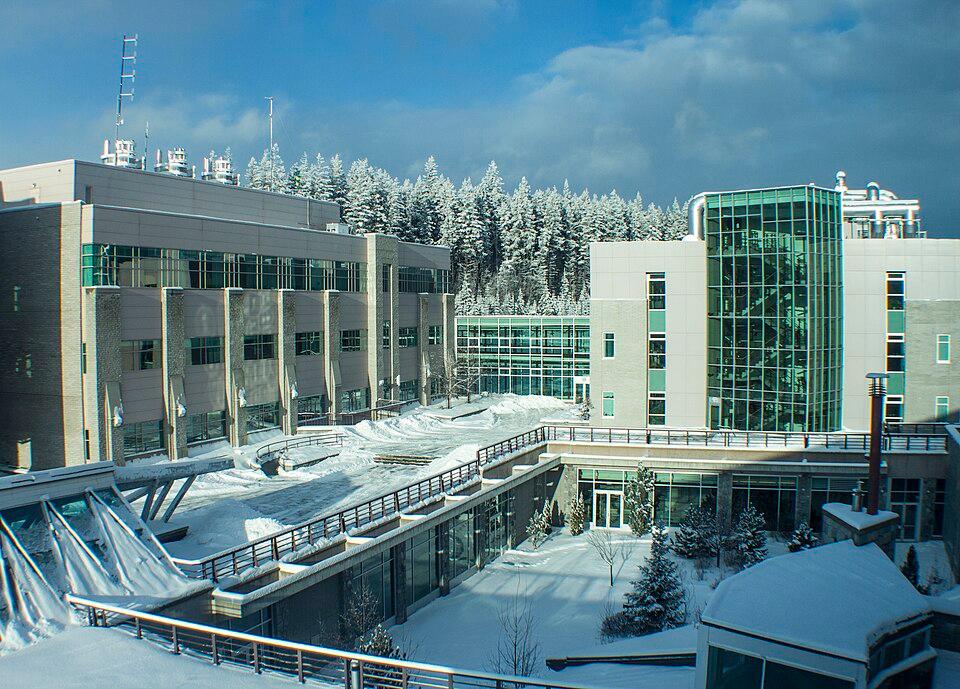
Prince George, British Columbia
#1201–1400 in the world QS 2027
No QS 2027 position in our data. Listed largest first, then A to Z.

Athabasca, Alberta
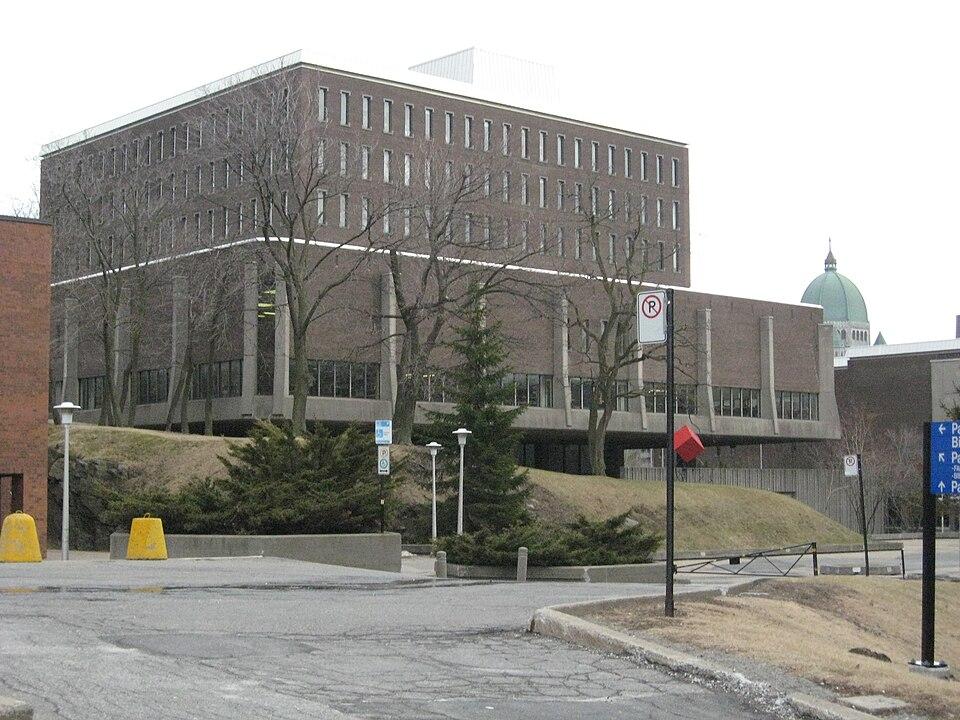
Montreal, Quebec
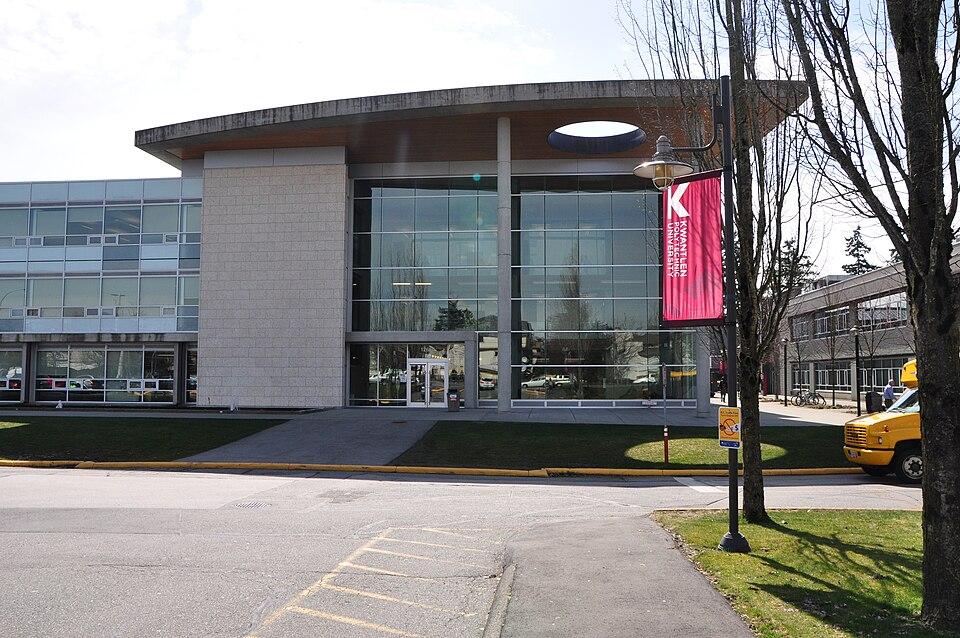
Surrey, British Columbia
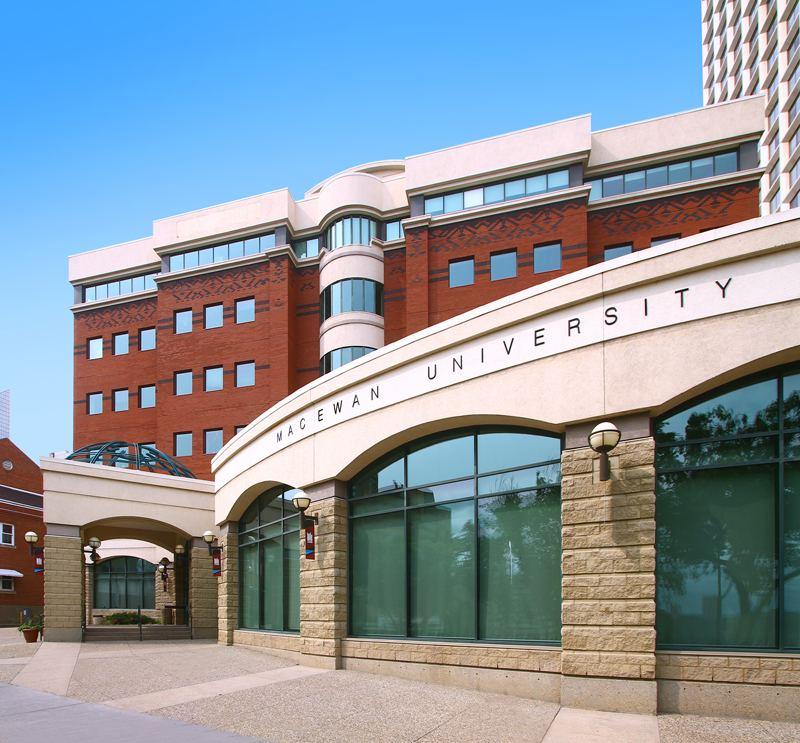
Edmonton, Alberta
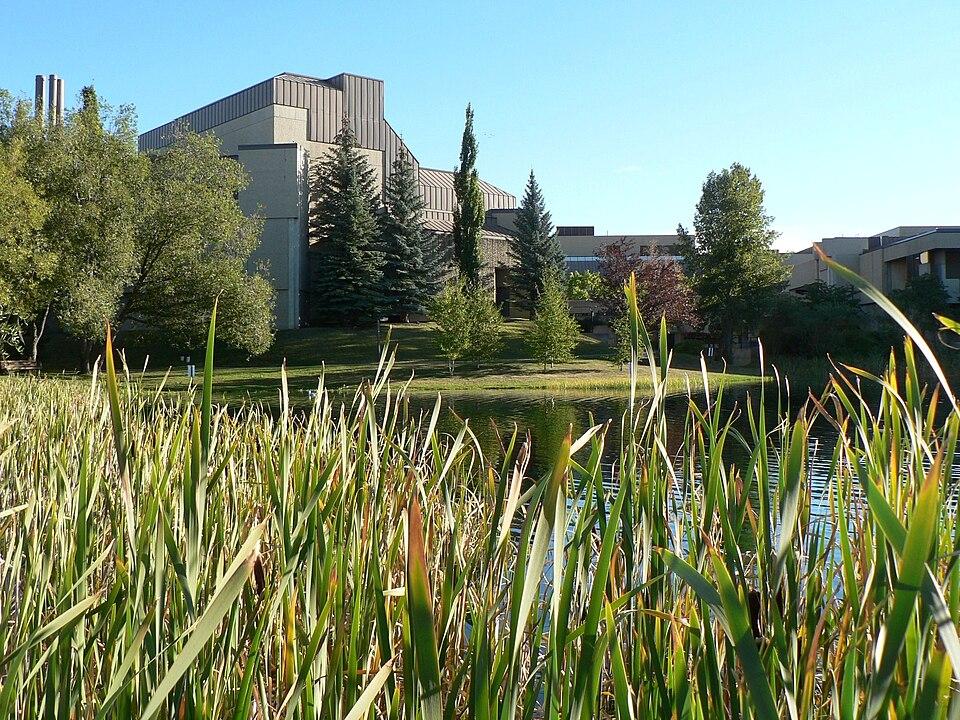
Calgary, Alberta

Winnipeg, Manitoba
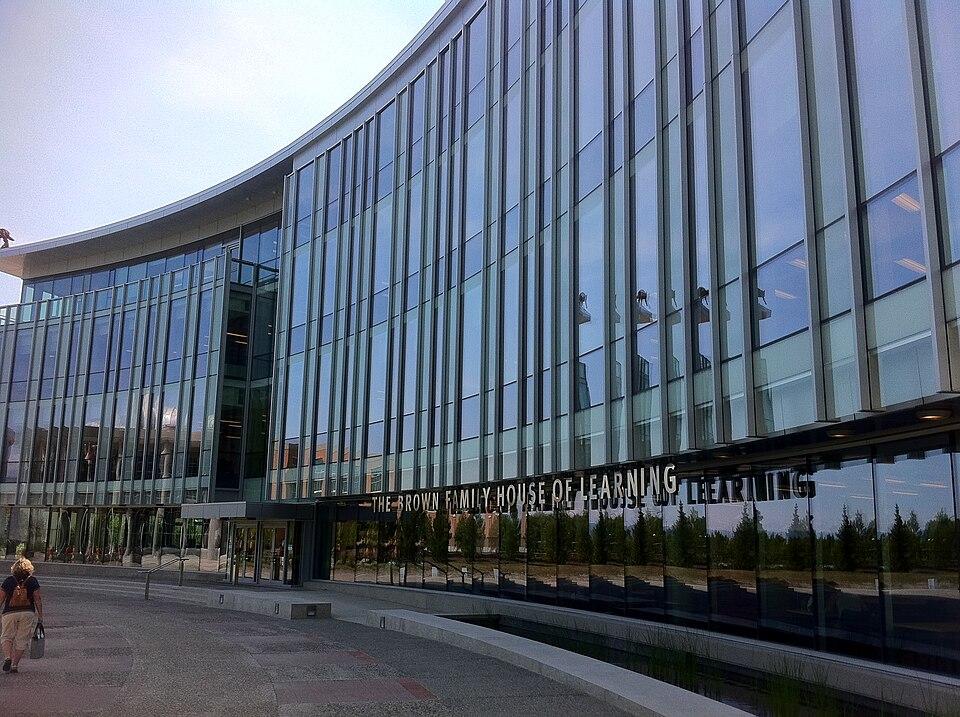
Kamloops, British Columbia
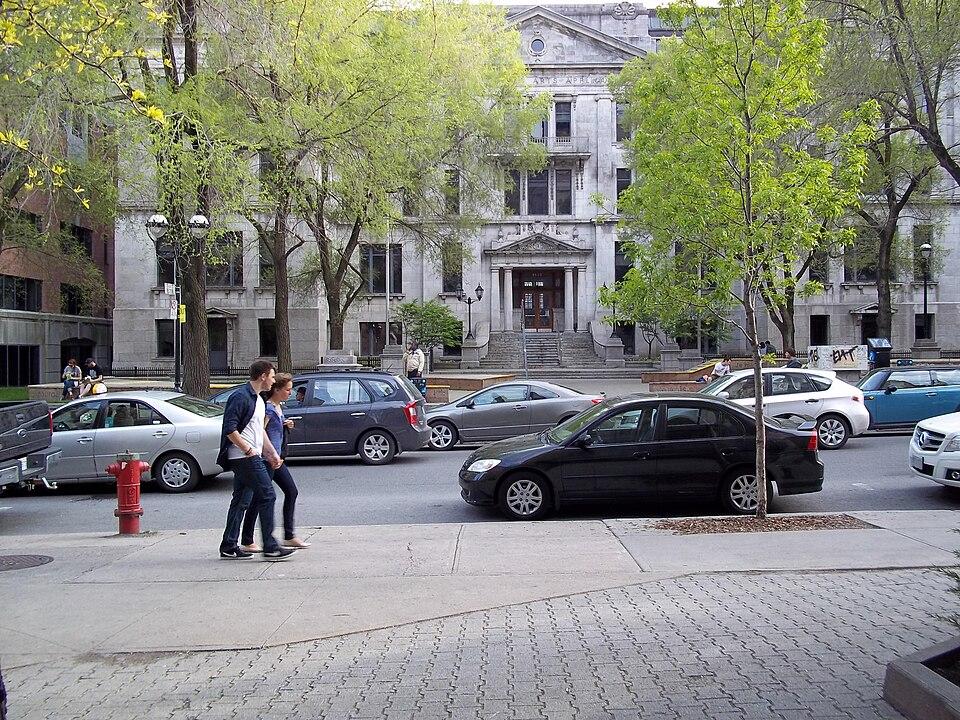
Montreal, Quebec
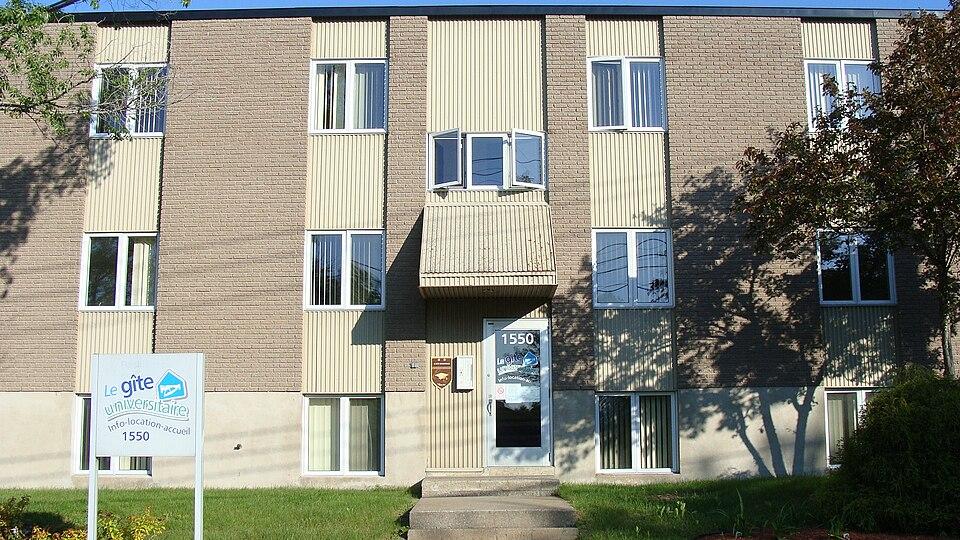
Trois-Rivieres, Quebec
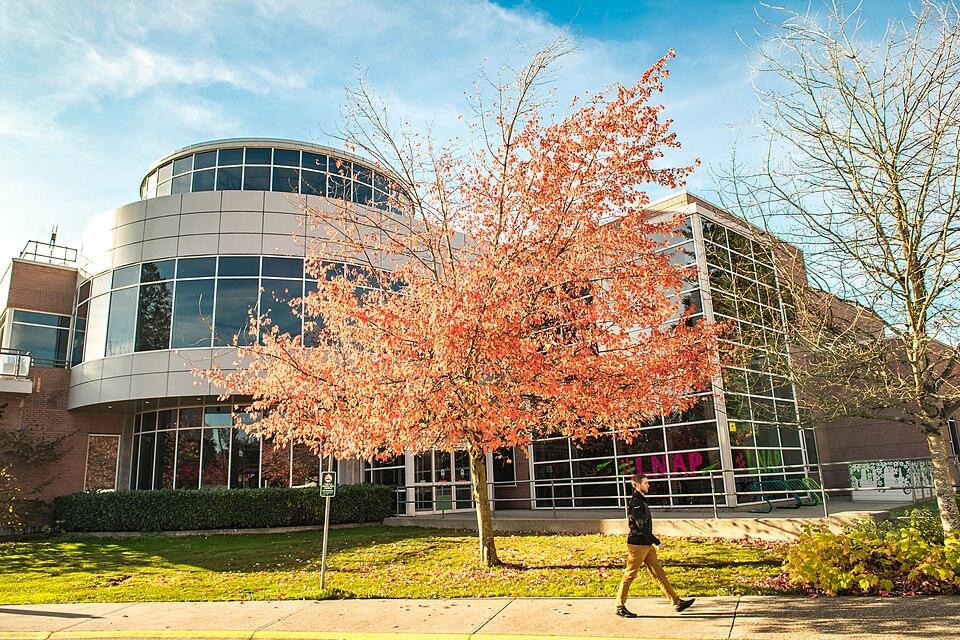
Abbotsford, British Columbia

Nanaimo, British Columbia
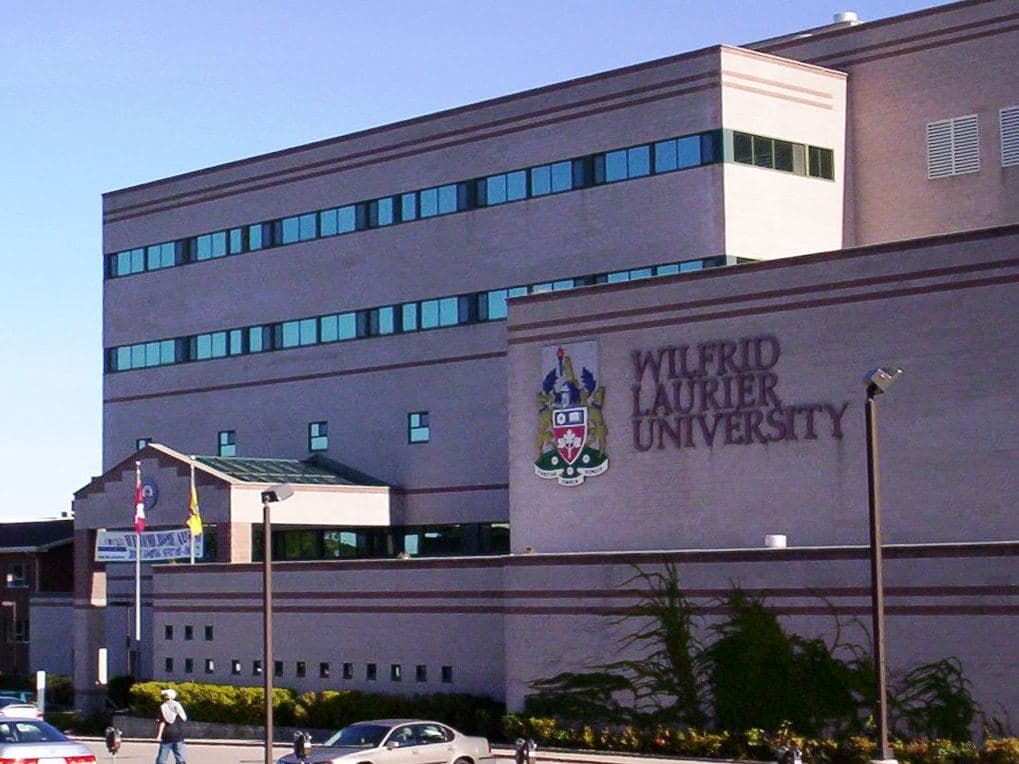
Waterloo, Ontario

North Vancouver, British Columbia
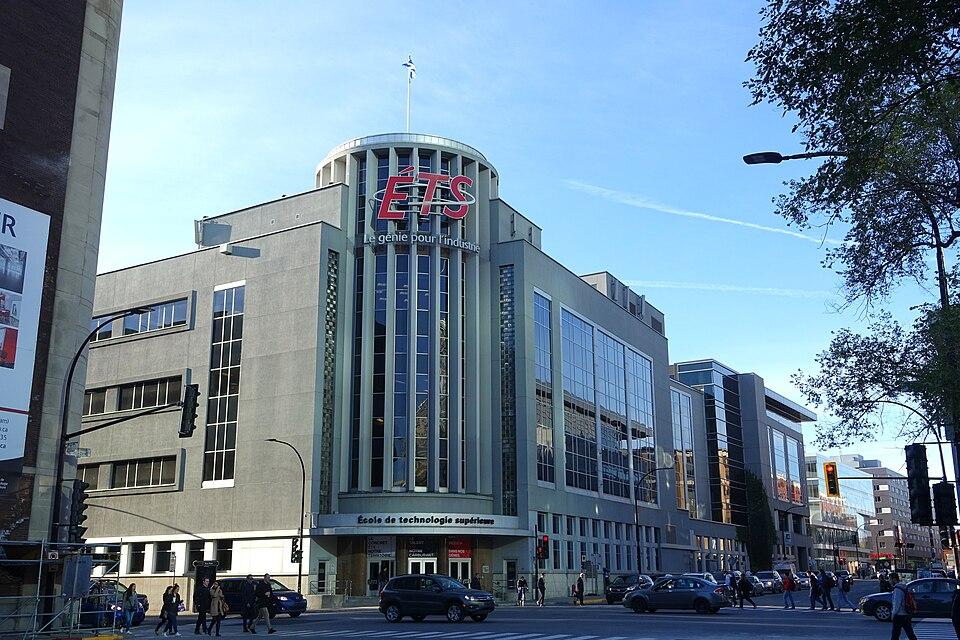
Montreal, Quebec
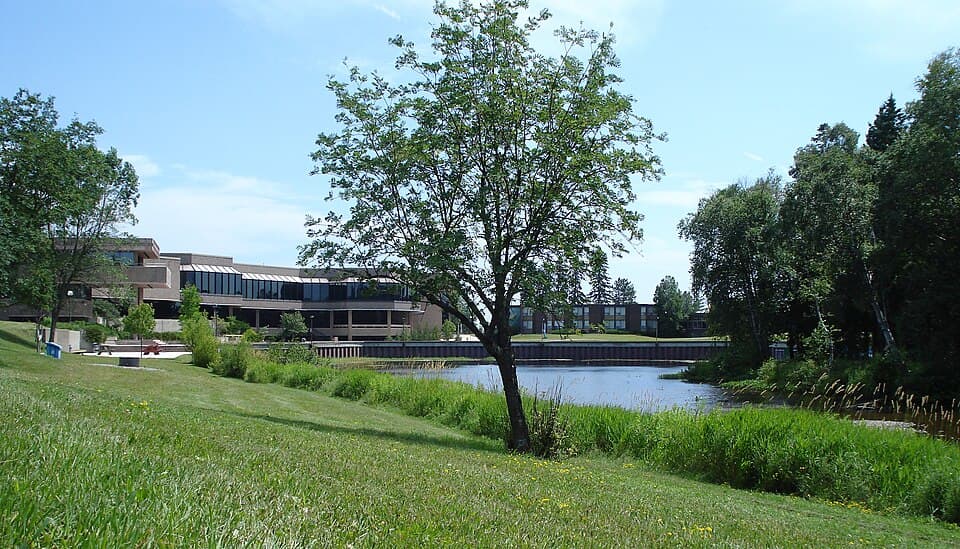
Thunder Bay, Ontario
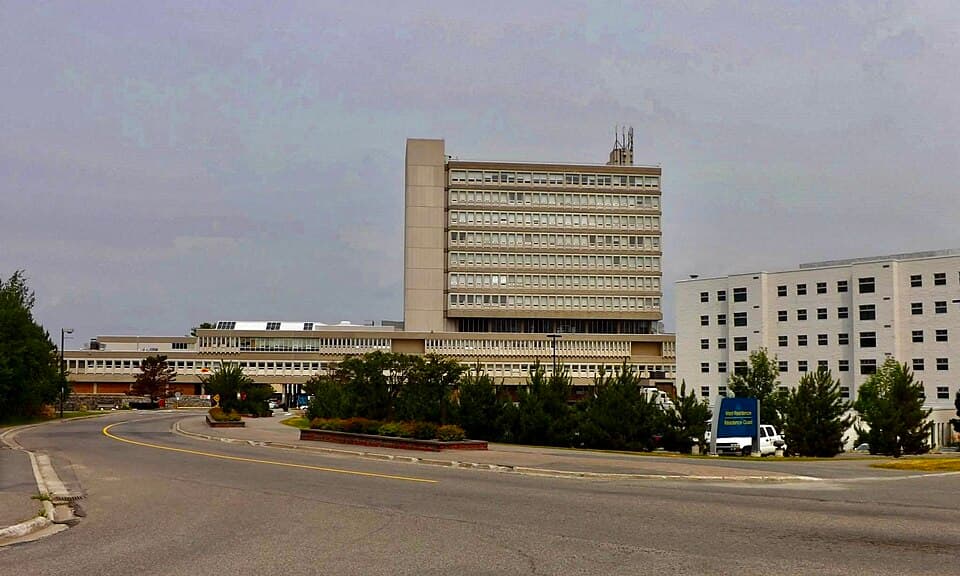
Sudbury, Ontario
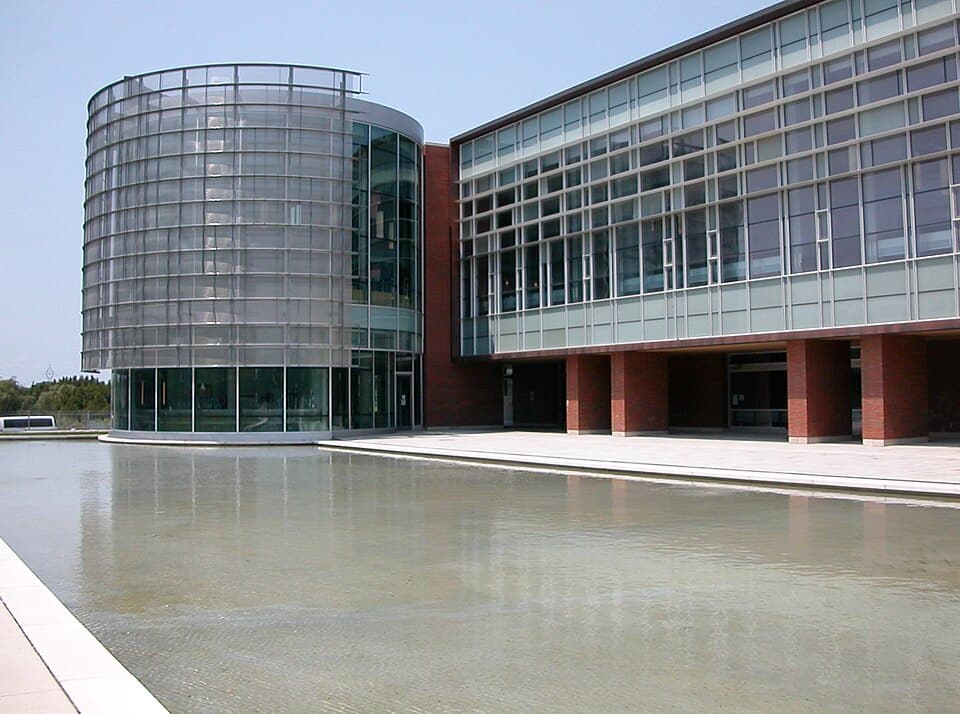
Oshawa, Ontario
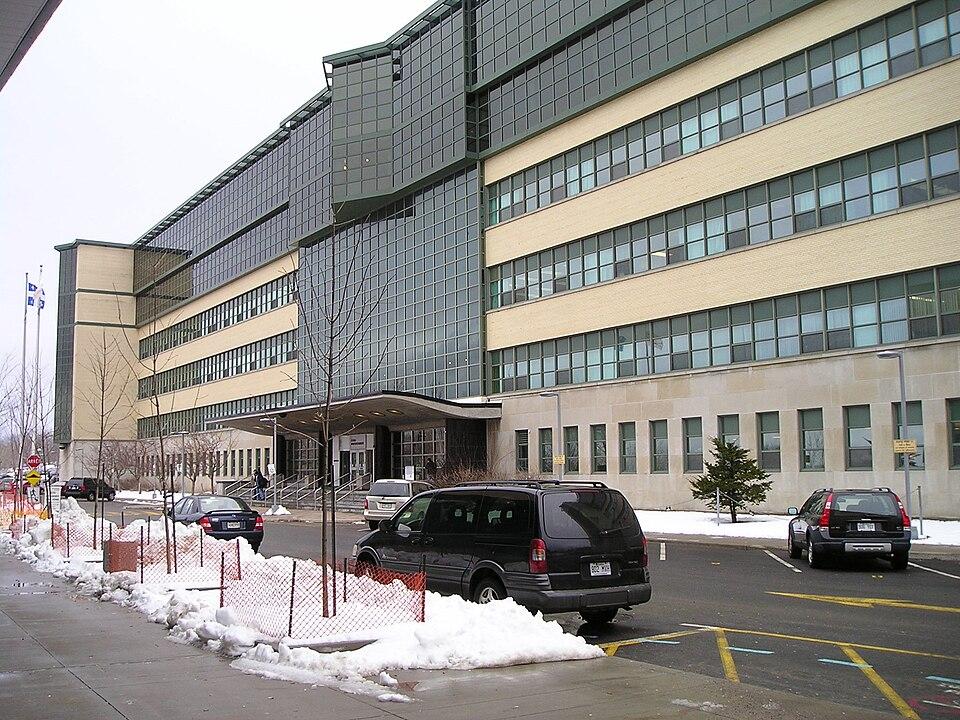
Montréal, Quebec
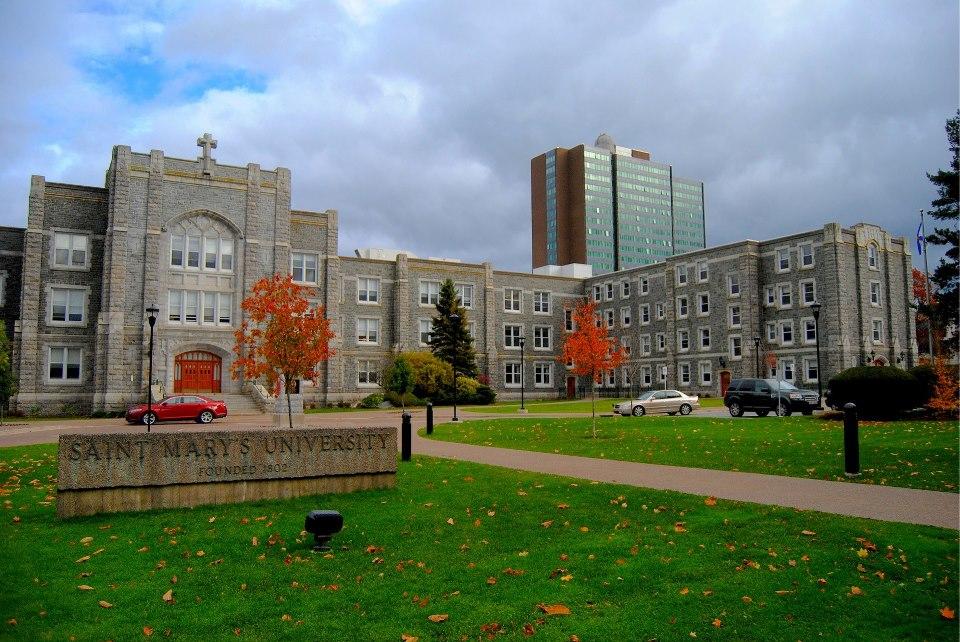
Halifax, Nova Scotia
Peterborough, Ontario
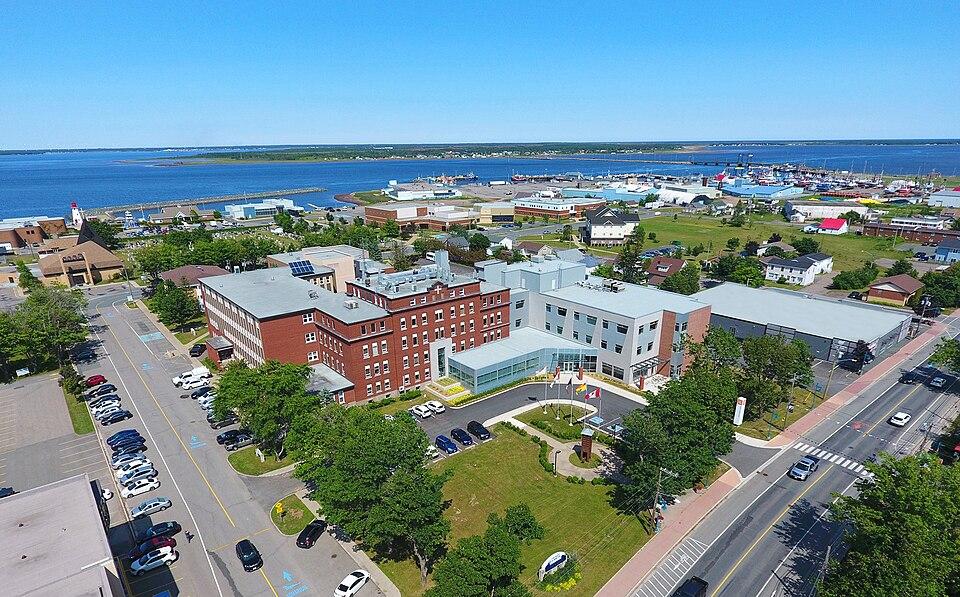
Moncton, New Brunswick
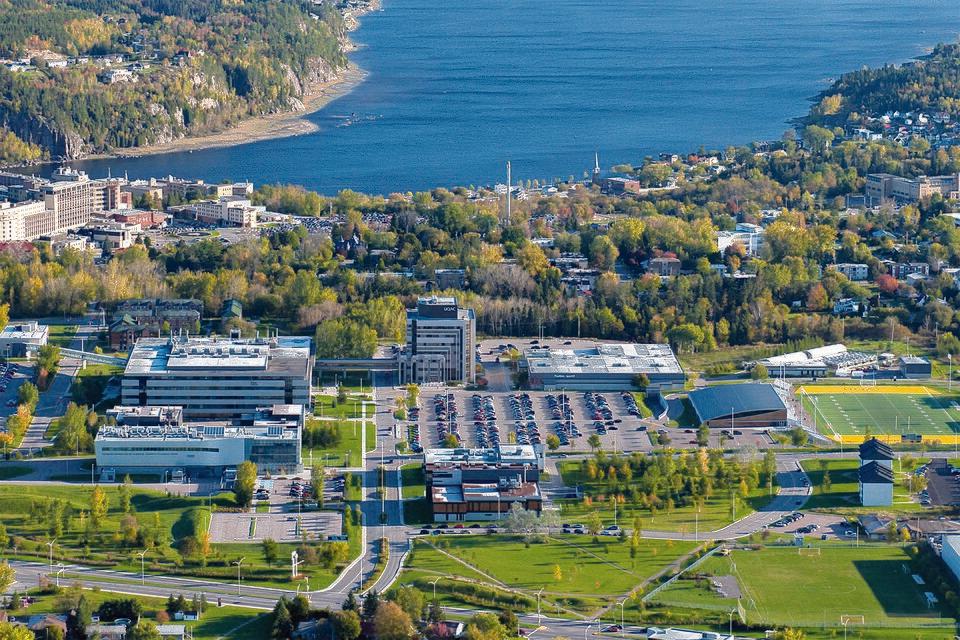
Saguenay, Quebec
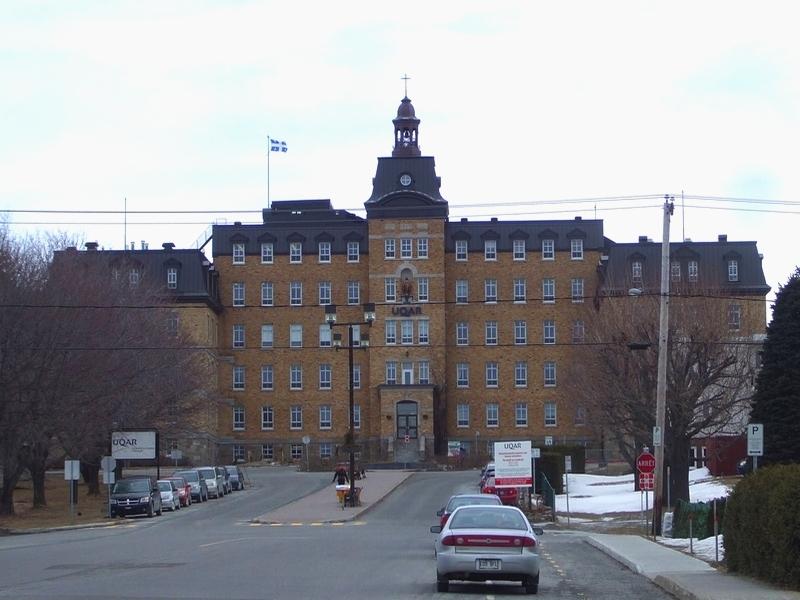
Rimouski, Quebec

Gatineau, Quebec
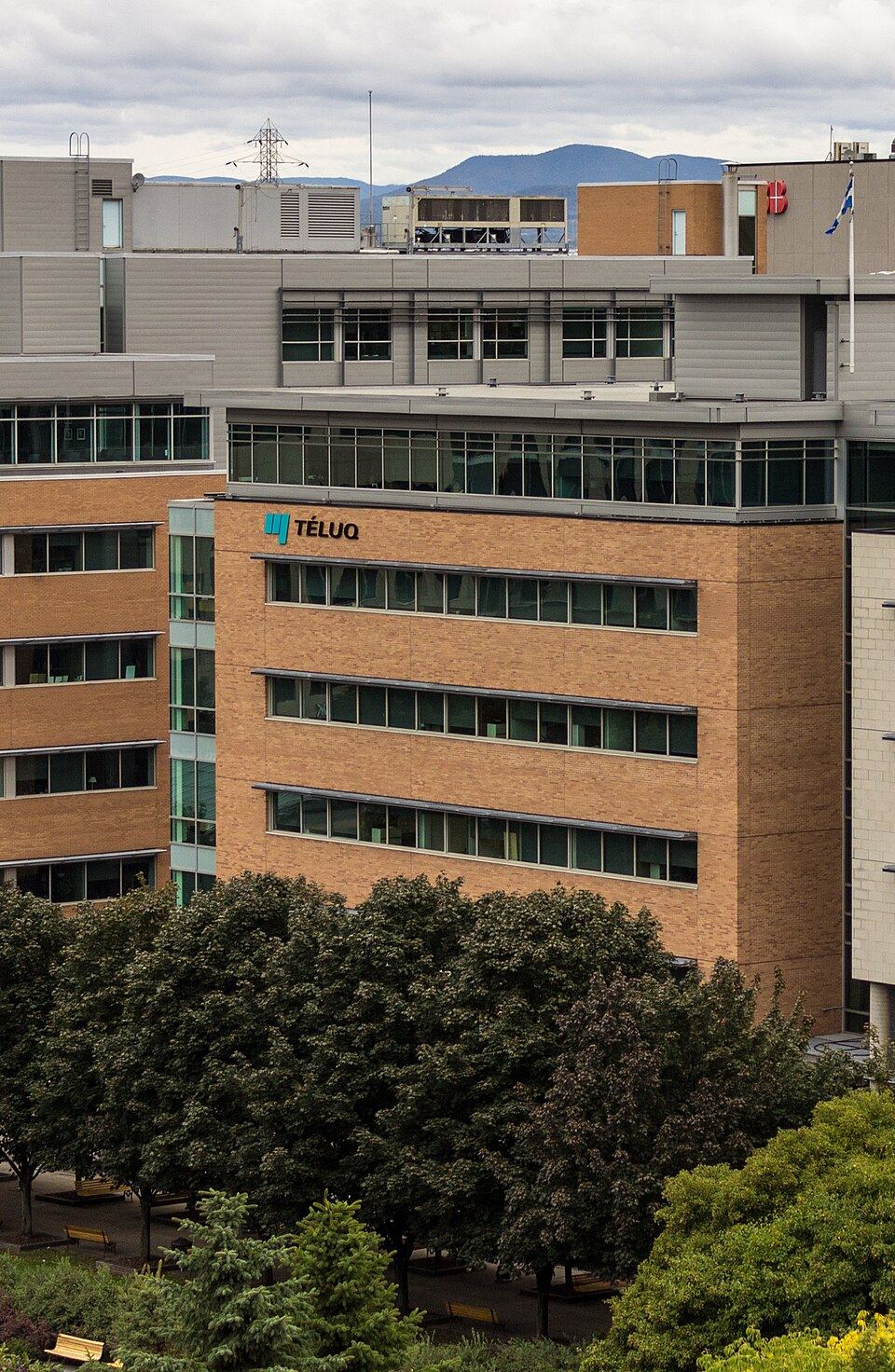
Quebec City, Quebec

Lethbridge, Alberta
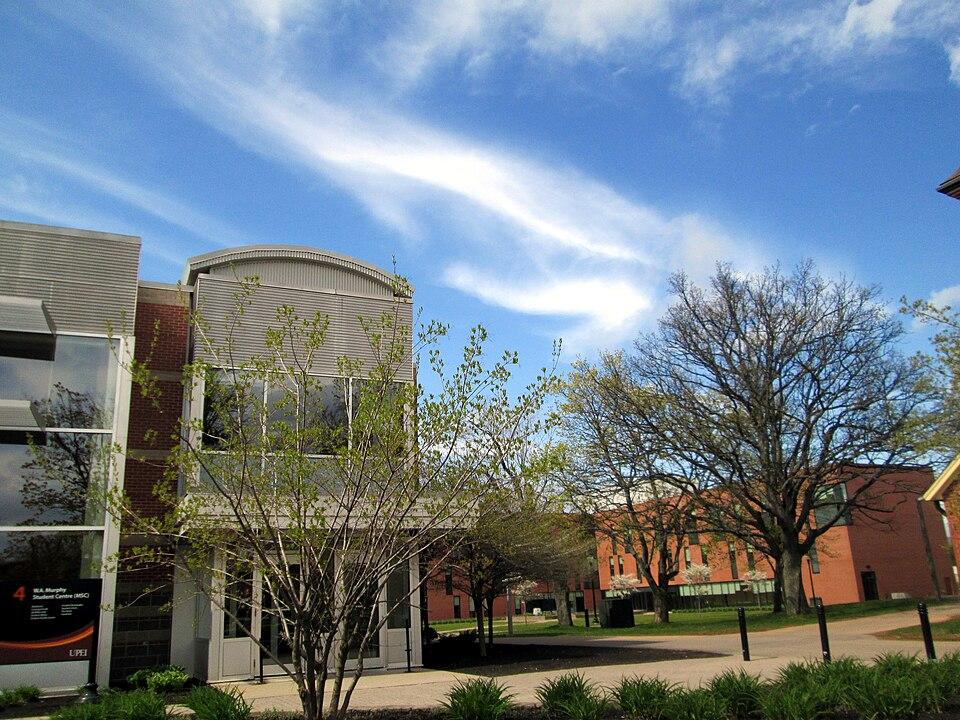
Charlottetown, Prince Edward Island
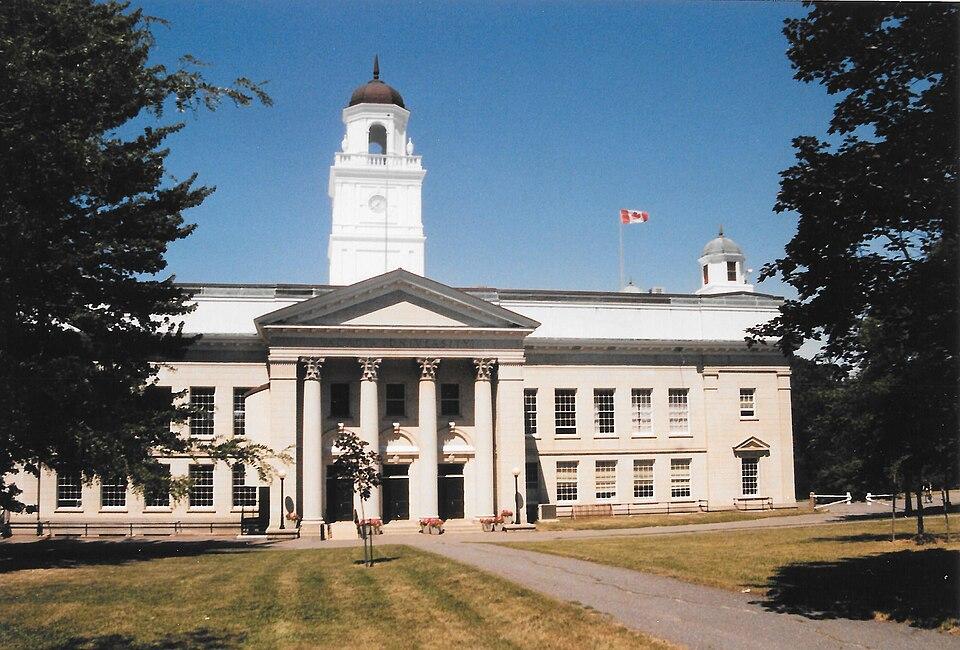
Wolfville, Nova Scotia
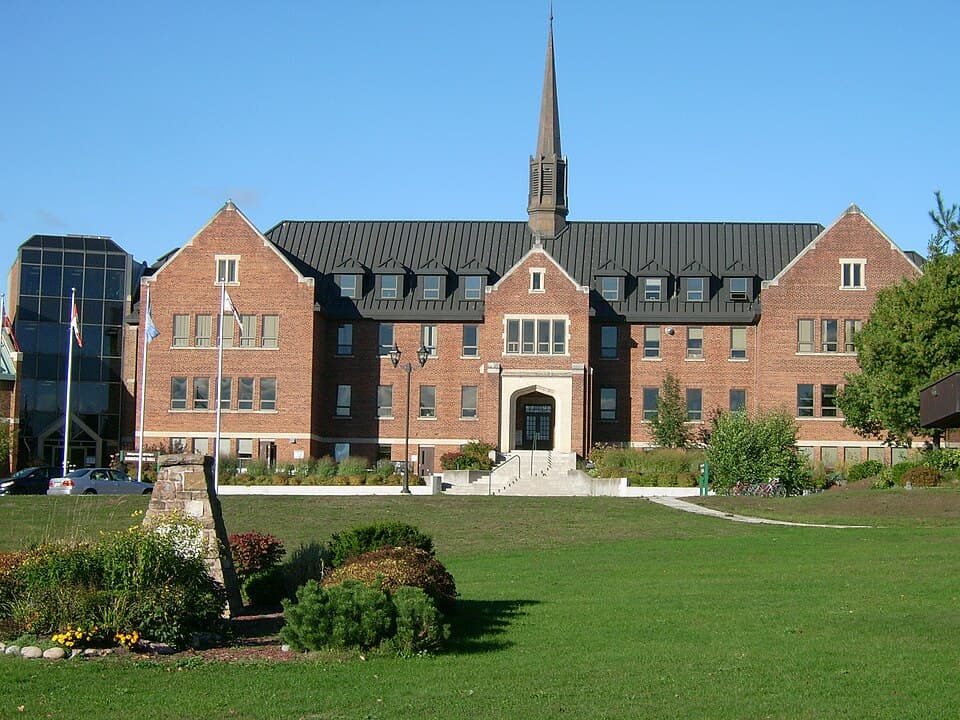
Sault Ste. Marie, Ontario
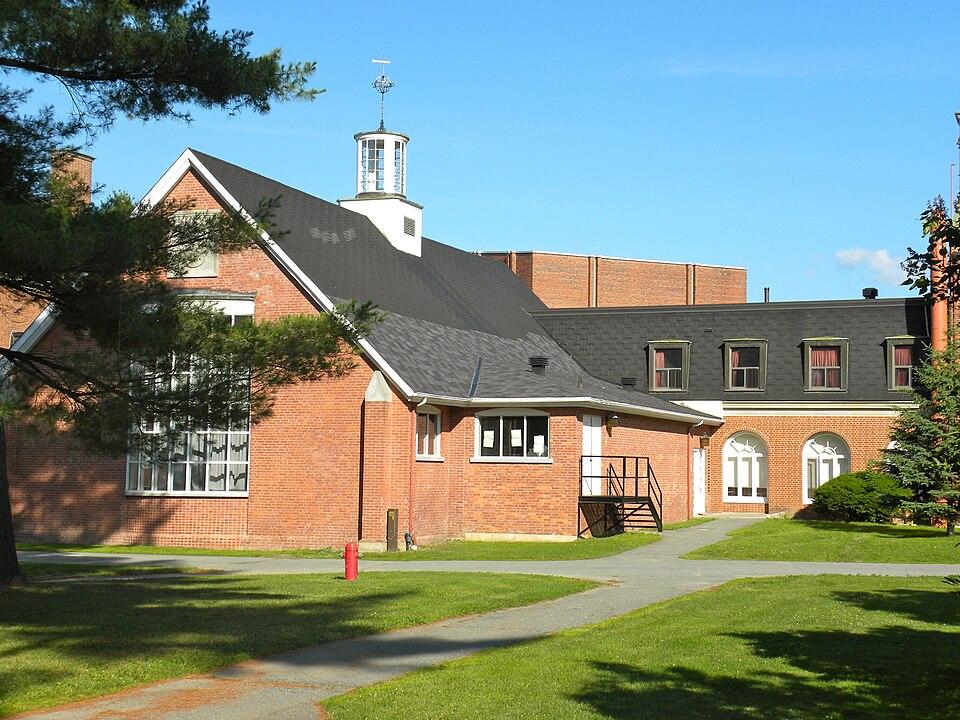
Sherbrooke, Quebec
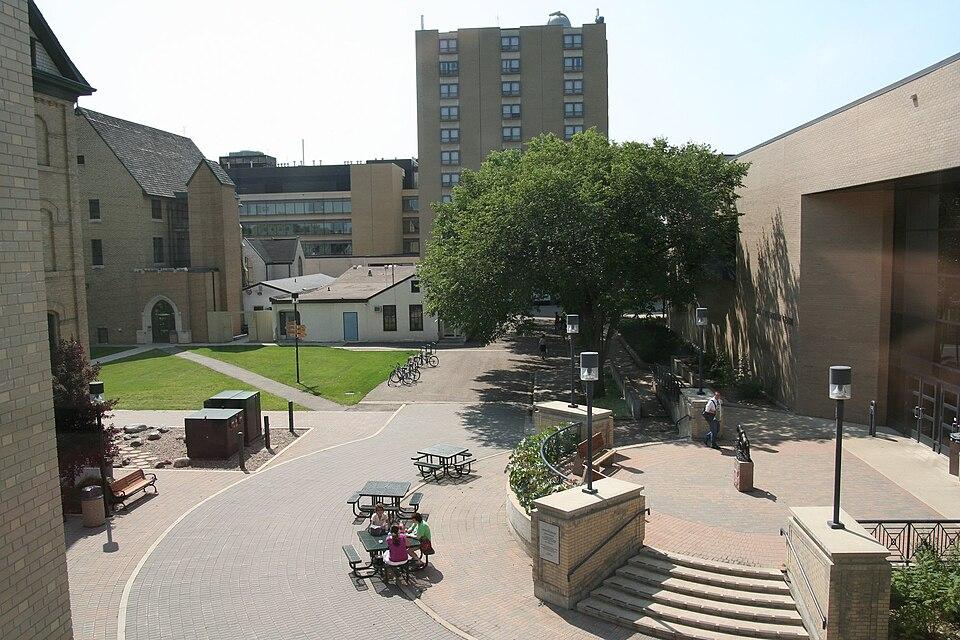
Brandon, Manitoba

Lacombe, Alberta

Winnipeg, Manitoba

Sydney, Nova Scotia
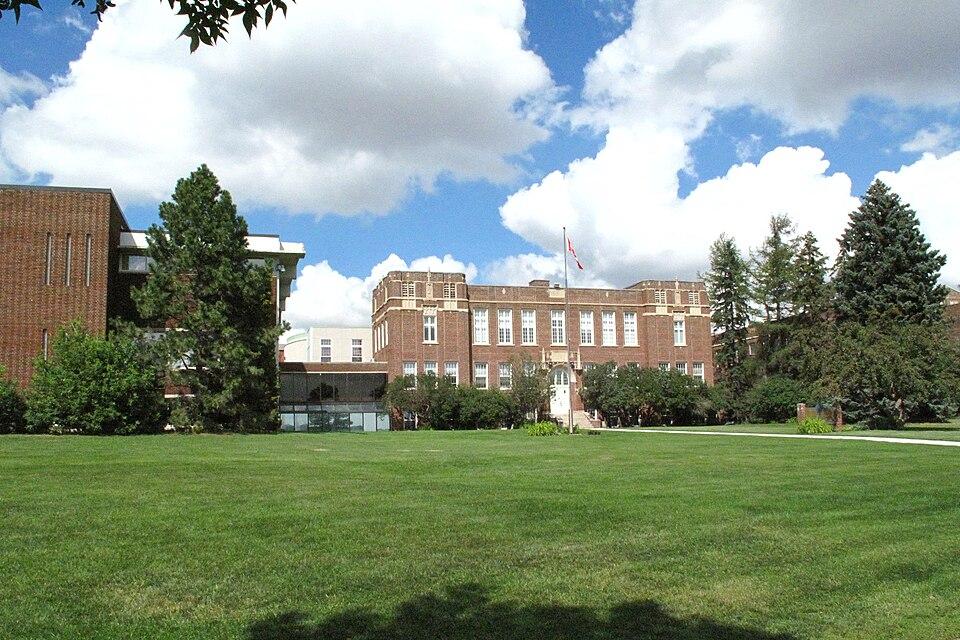
Edmonton, Alberta
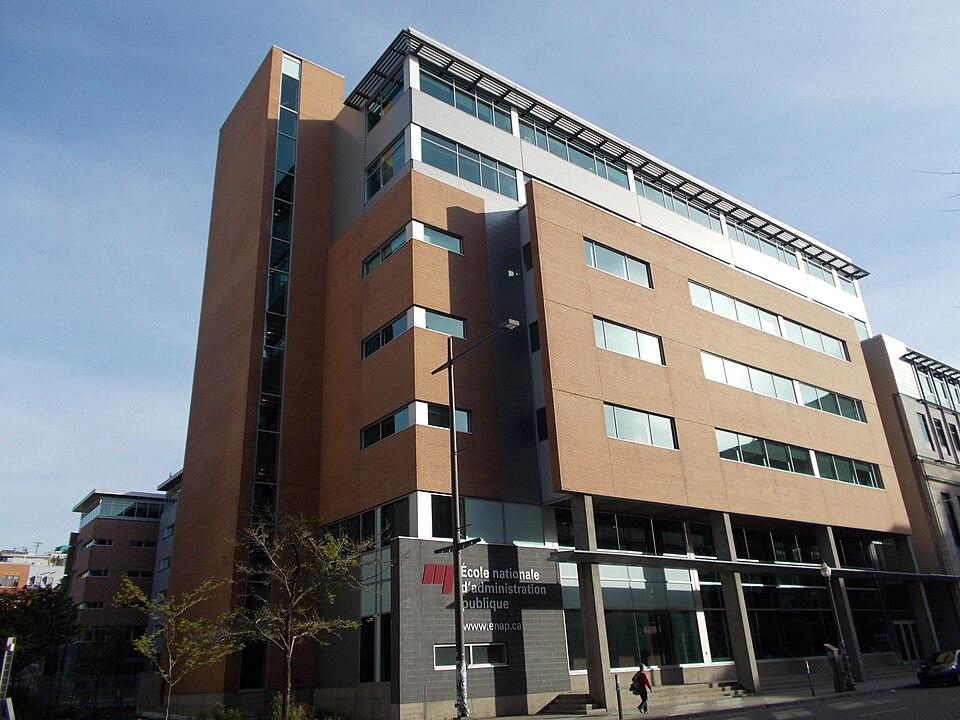
Quebec City, Quebec

Vancouver, British Columbia

Regina, Saskatchewan
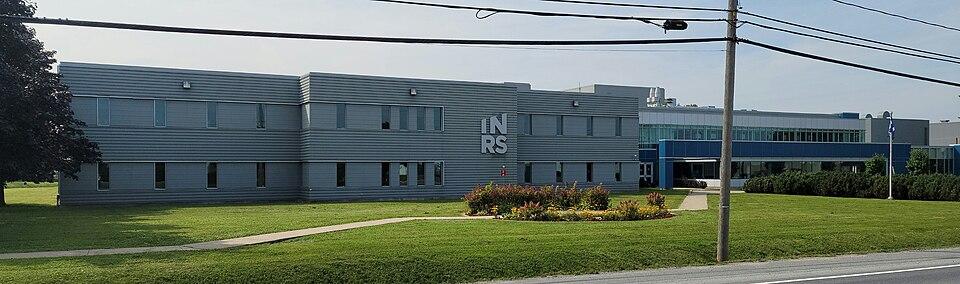
Quebec City, Quebec
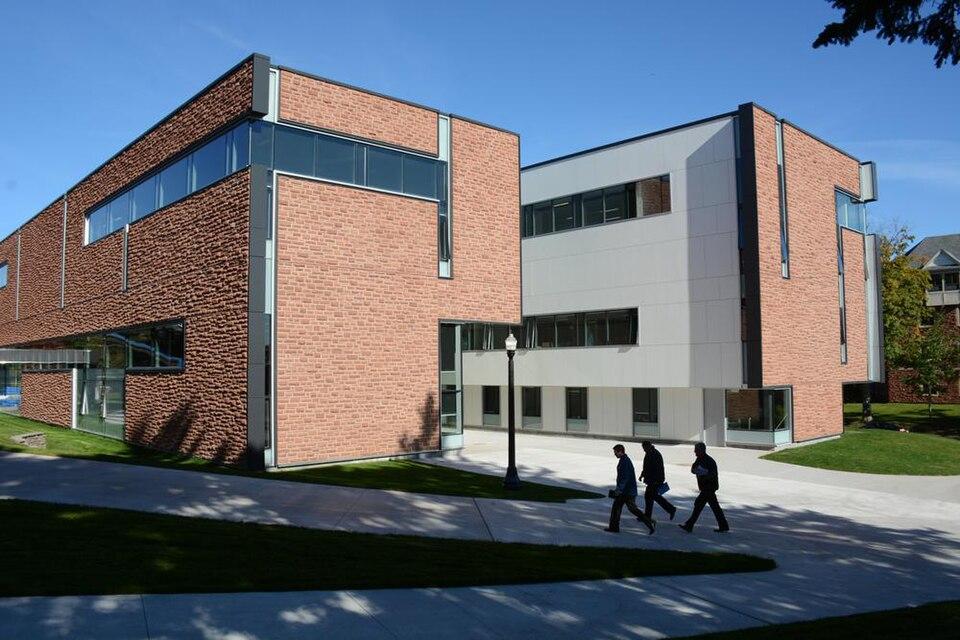
Sackville, New Brunswick
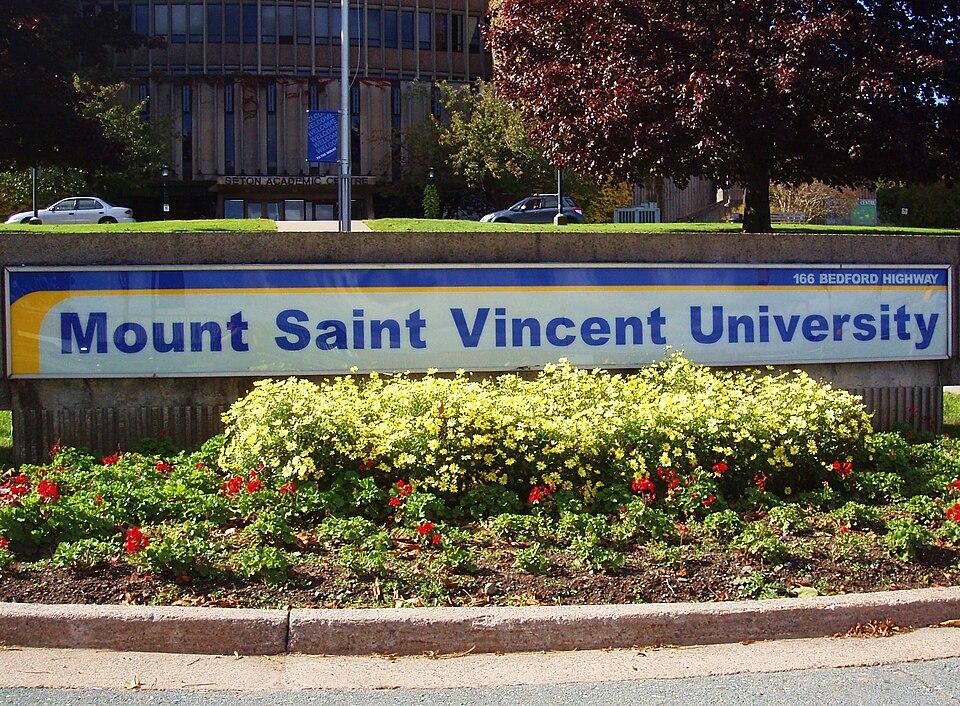
Halifax, Nova Scotia
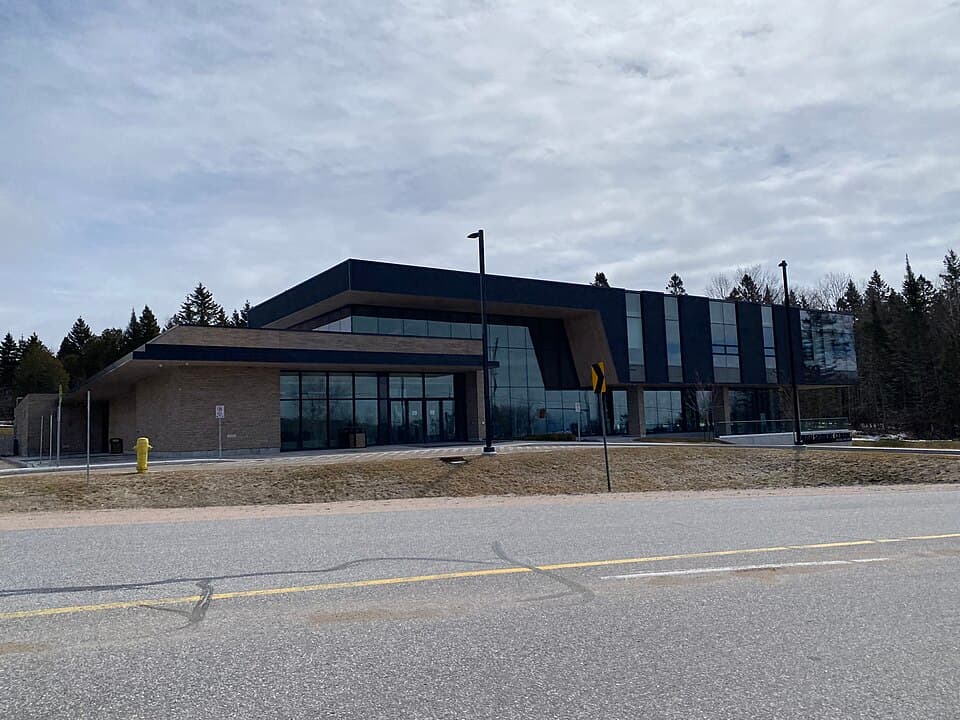
North Bay, Ontario

Halifax, Nova Scotia

Toronto, Ontario
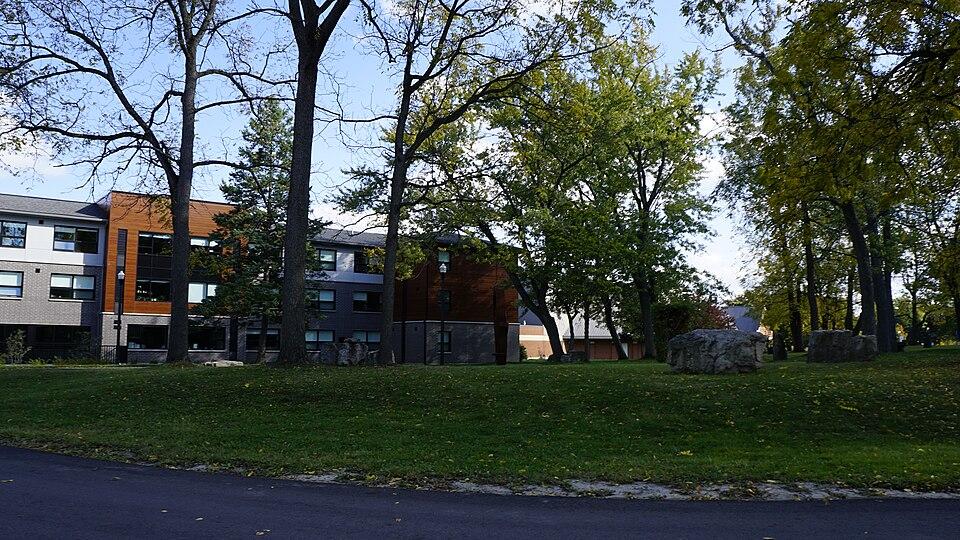
Hamilton, Ontario
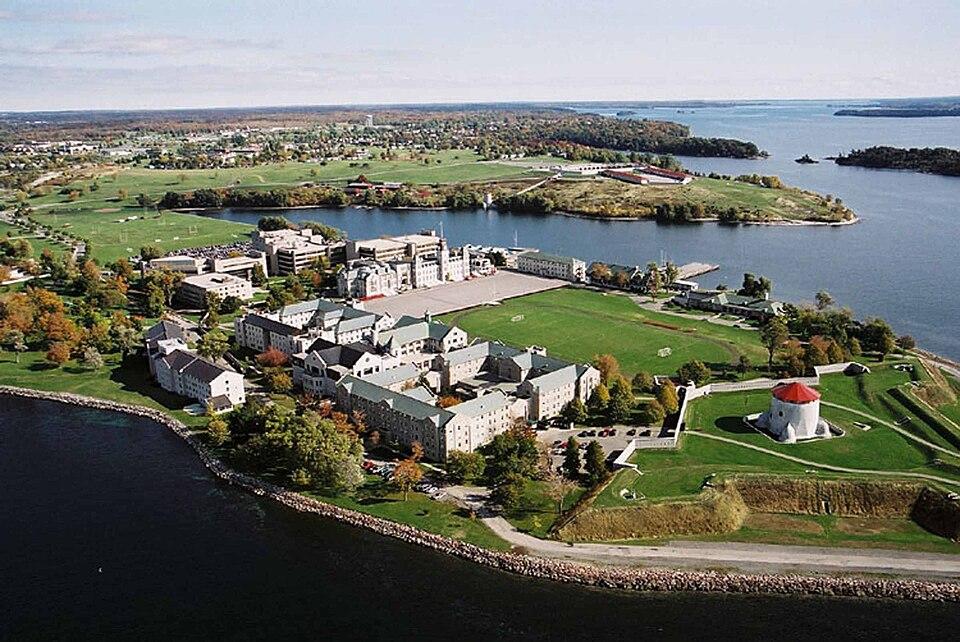
Kingston, Ontario
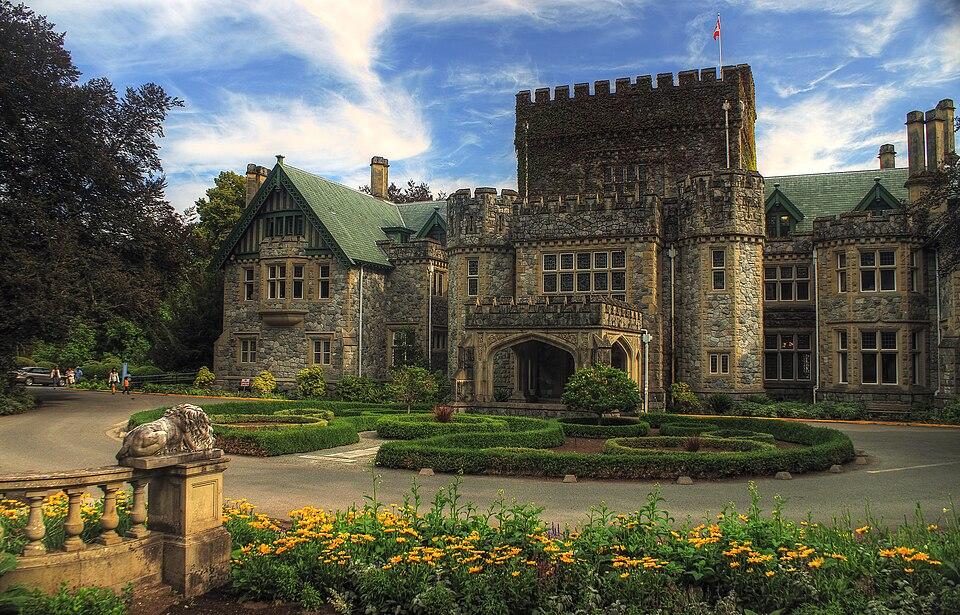
Victoria, British Columbia
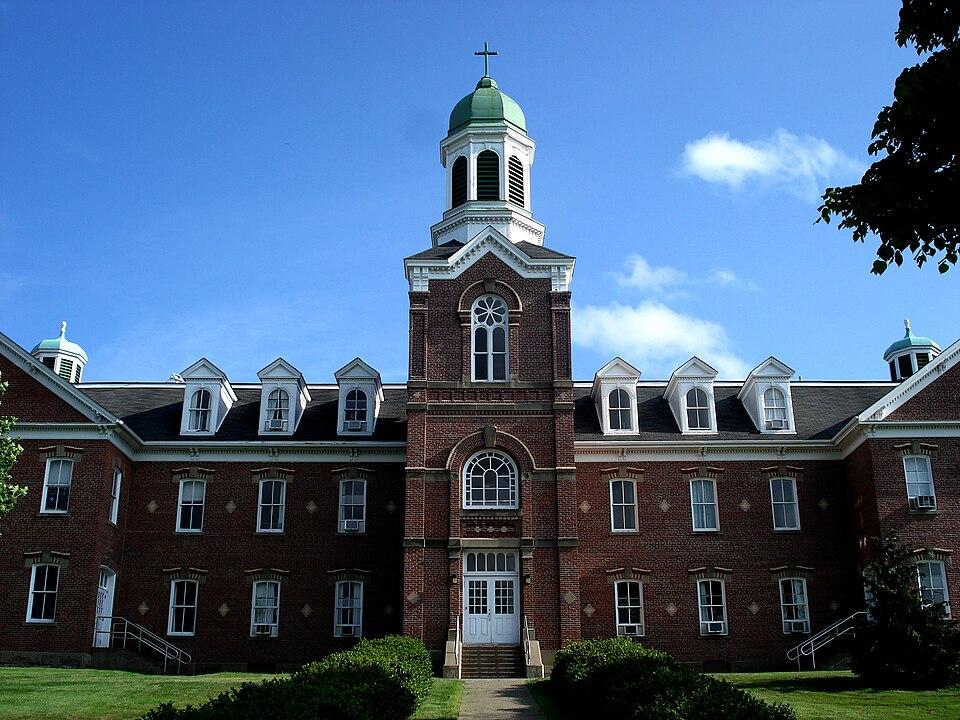
Antigonish, Nova Scotia

Calgary, Alberta

Saskatoon, Saskatchewan
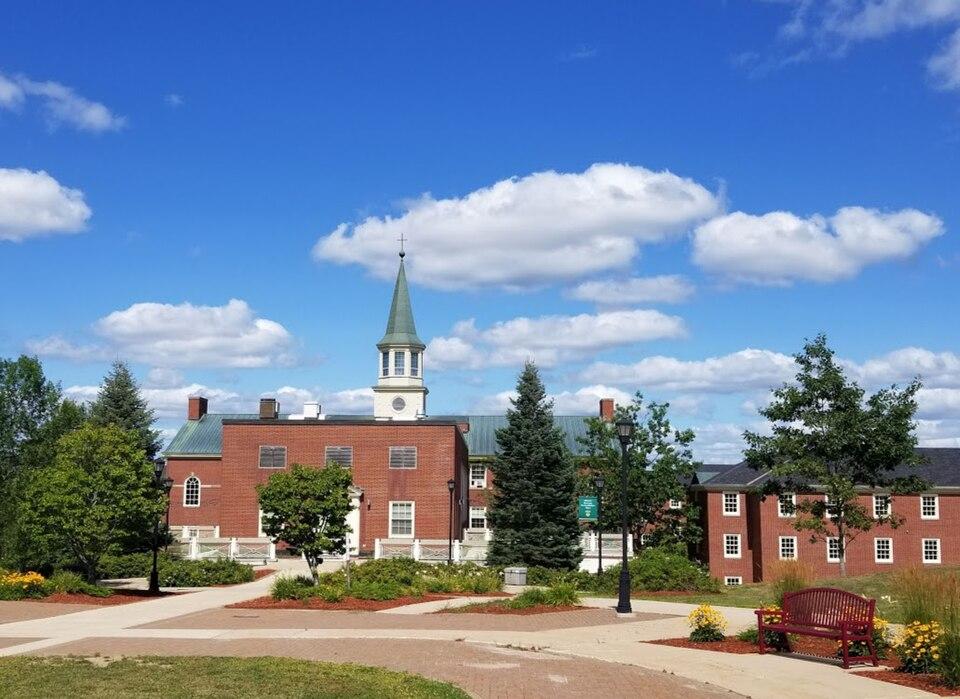
Fredericton, New Brunswick

Edmonton, Alberta

Langley, British Columbia

Winnipeg, Manitoba

Rouyn-Noranda, Quebec
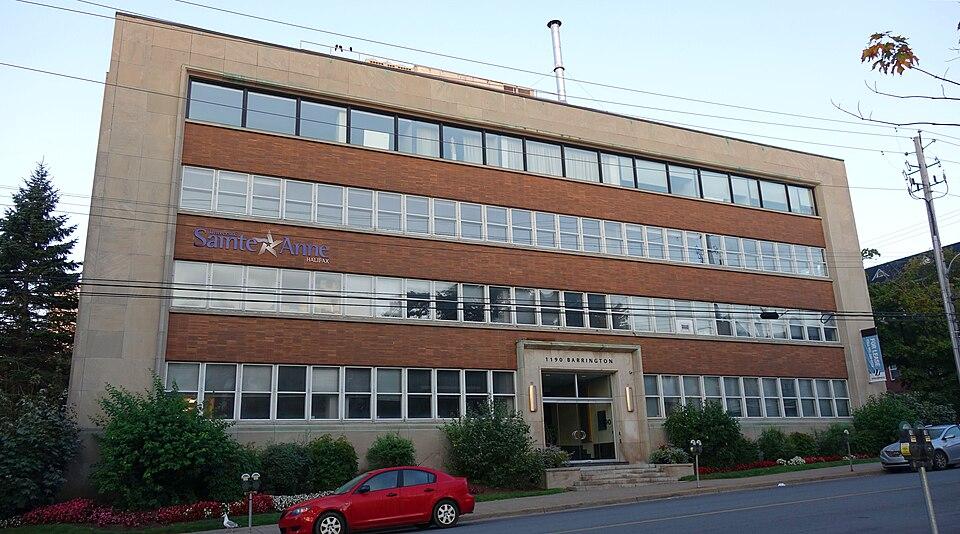
Church Point, Nova Scotia
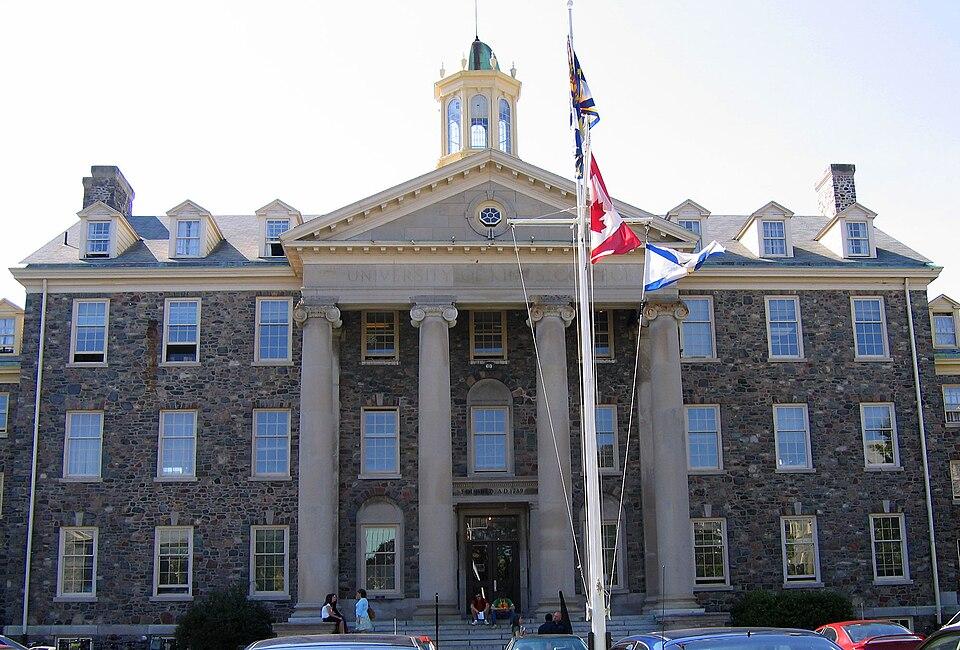
Halifax, Nova Scotia
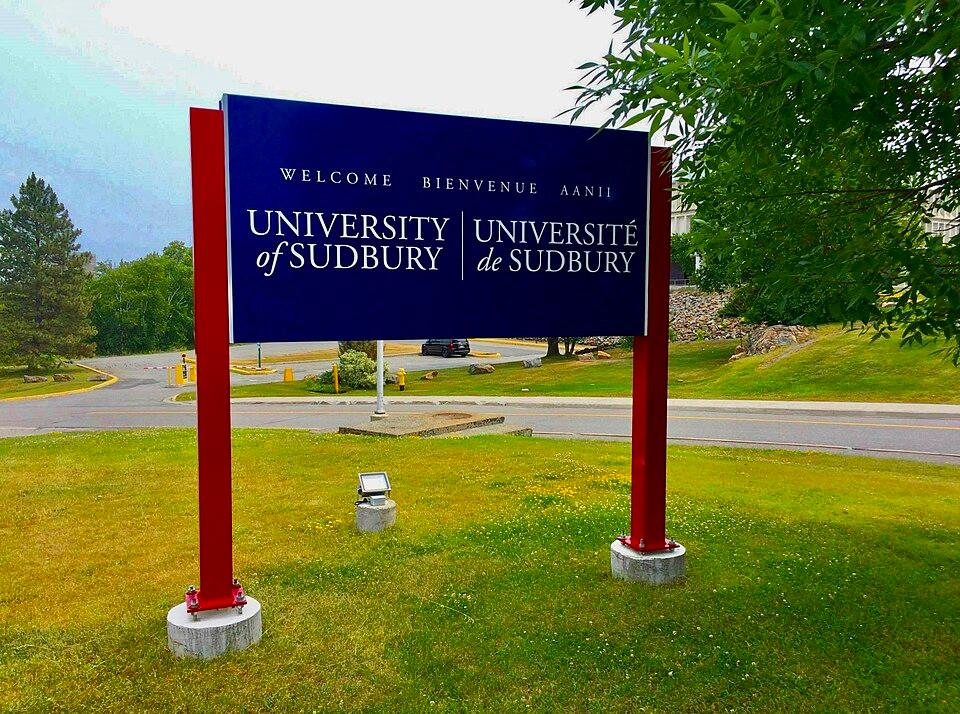
Sudbury, Ontario
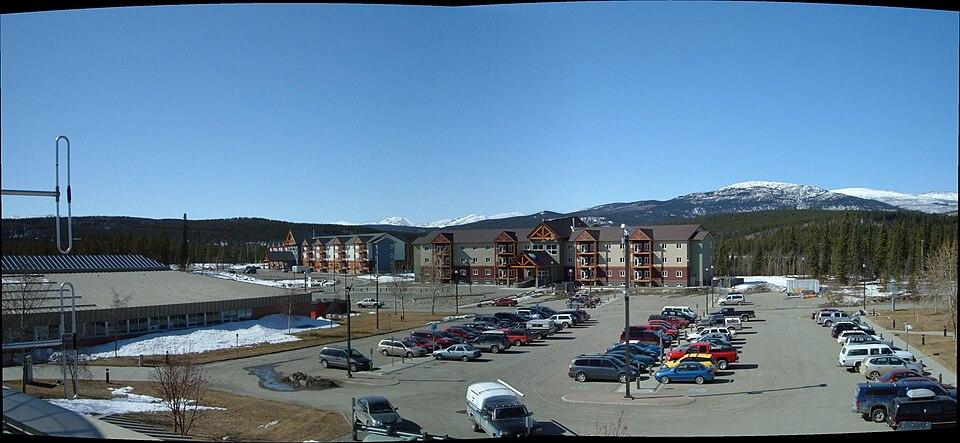
Whitehorse, Yukon
The directory contains 89 Canadian university and university-level discovery records across 11 provinces and territories. It includes some federated and specialized institutions, so it should not be treated as an official or exhaustive government registry of every post-secondary institution.
No. It is a broad discovery directory, not a legal registry. Use the Canadian Information Centre for International Credentials directory to check recognized institutions, Universities Canada for its member list, and the relevant provincial or territorial authority when recognition affects a decision.
There is no single best university for every student. The useful comparison is program-specific: curriculum and entry structure, admission requirements, accreditation, work experience, total cost, campus fit, support, and personal constraints. An overall ranking cannot answer all of those questions.
Build a program-level shortlist and compare the exact degree and campus, prerequisites and supplements, admission evidence, co-op or internship access, full annual cost, residence and student services, accreditation, and application route. Verify time-sensitive details on official university pages before applying.
Ontario has the most records in this directory: 23, counted directly from Stellar's 89-record dataset. Quebec (19) and British Columbia (12) follow. Record count reflects how many institutions from that province are catalogued here — it is not a measure of university quality, enrolment, program breadth, or admission capacity, and there is no official "best" or "top" university in any province.
No. OUAC processes applications for participating Ontario universities. British Columbia public institutions commonly use EducationPlannerBC, while institutions elsewhere may use their own or another provincial application system. Always follow the exact program's official application instructions.
Do not assume so from a university name or directory listing. International students need a letter of acceptance from a designated learning institution for a study-permit application, and IRCC maintains the current DLI list by province and territory.
No. IRCC explicitly says that graduating from a designated learning institution does not automatically make a student eligible for a post-graduation work permit. Eligibility can depend on the institution, exact program, study length, delivery arrangement, language results, field-of-study rules when applicable, and the applicant's circumstances.
No. Broad program labels are discovery signals. They do not confirm that a particular major, intake, campus, accreditation, co-op option, or admission route is currently available. Check the university's live program page and application instructions.
The directory guide and its province-aware profile links were materially reviewed on August 25, 2026. Program search and the U of T Kinesiology label were updated September 28, 2026. University ranks and the ranking explanation moved to the QS World University Rankings 2027 on October 27, 2026; this was not a full catalogue review. Institution names, programs, application systems, fees, immigration rules, and eligibility can change, so official sources remain the final check for any application or financial decision.