McGill Nutrition and Dietetics admission requirements
Courses, Top 6 range, French and deadlines
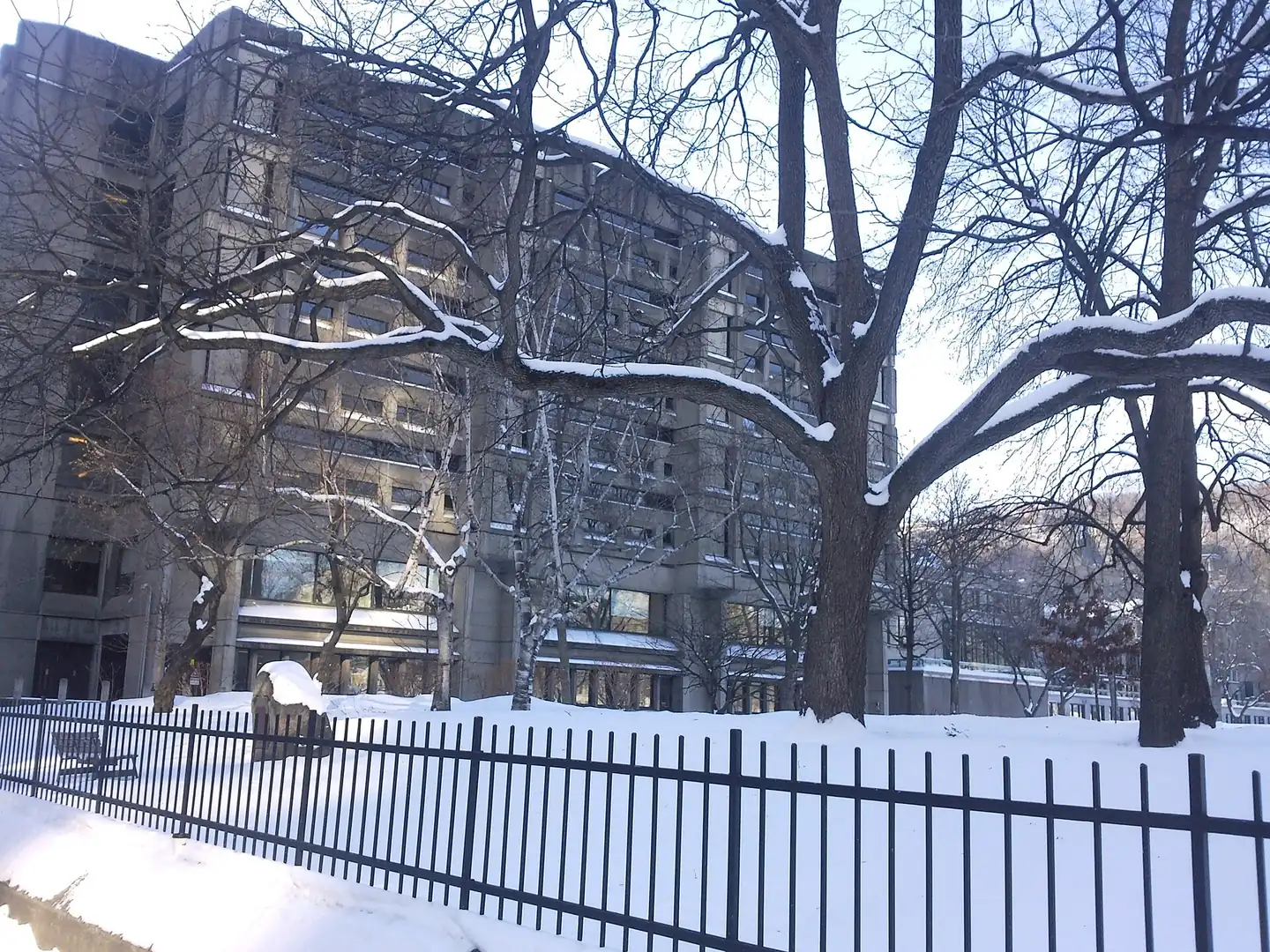
McGill's School of Human Nutrition is on the Macdonald campus, west of downtown Montreal.
Fall 2027 entry · Checked October 7, 2026 · Published by Stellar Advisers · How we check guides
You pick a major when you apply. Dietetics leads to a dietitian licence. Nutrition is a science degree that does not. From Ontario you need English, calculus and two sciences. Dietetics also asks for proof of French. Apply by February 1, 2027.
Key facts
- Courses
- 4U English or French, 4U Calculus and Vectors, and two of 4U Biology, Chemistry or Physics.
- Average
- Past range for Ontario students: high 70s to low 80s. This is a guide, not a promise.
- Deadline
- Apply by February 1, 2027. Send papers by May 4.
- Extra step
- Dietetics only: show French at level B2, or meet an exemption.
Save this to your free account
Track McGill University with a checklist for how you apply. Free account. Add your dates in the tracker to request reminder emails; unsubscribe any time.
Free account. No card needed.
McGill Dietetics and Nutrition majors compared
Both majors are in the same school. Only one leads to a licence.
| Item | Dietetics Major | Nutrition Major |
|---|---|---|
| Degree | BSc(NutrSc), Dietetics Major | BSc(NutrSc), Nutrition MajorMcGill School of Human Nutrition programs |
| Length after freshman year | 3.5 years, 115 credits | 3 years, 90 creditsMcGill School of Human Nutrition programs |
| Dietitian licence | Yes, leads to eligibility to register | No, does not lead to licensureMcGill School of Human Nutrition programs |
| Work placements | 40 weeks of stage (internship), unpaid | Optional internships, research and field studiesMcGill Dietetics admissions pageMcGill Human Nutrition catalogueMcGill Nutrition admissions page |
| French proof at admission | Yes, level B2 or an exemption | Not listedMcGill French language proficiency |
| Ontario Top 6 range (past) | No separate Dietetics row | High 70s to low 80sMcGill Ontario requirements |
Reviewed against each row's official source. Recheck the source before you act, because dates and fees change.
Course requirements for Ontario students
McGill's Ontario requirements page lists one set of prerequisites for Human Nutrition: 4U English or French, 4U Calculus and Vectors (MCV4U), and two of 4U Biology, Chemistry or Physics. The same page says the program is offered on the Macdonald campus.
McGill builds a Top 6 average from six 4U, DU or 4M courses. At least four of the six, and all prerequisites, must be 4U or DU. Only two 4M courses are allowed. Your prerequisites always count in the Top 6. English Second Language and French Second Language courses do not count as prerequisites.
Pick biology and chemistry if you can. The first term of Dietetics includes LSCI 211 Biochemistry 1, and later Dietetics courses list all U0 science and math entrance requirements as prerequisites. Physics is accepted as one of the two sciences, but you will lean on biology and chemistry most.
Map your Grade 11 and 12 choices with our course planner so you don't miss MCV4U.
The average you need
McGill does not publish a minimum average for Human Nutrition. It publishes typical minimum admission grade ranges from past years. For Ontario students, the Nutrition row reads high 70s to low 80s for the Top 6, and high 70s to low 80s for math and science courses.
The Ontario page has no separate row for Dietetics, so treat the same range as your only published guide for both majors. McGill says these values are a guideline, that minimum grades change from year to year, and that matching them does not guarantee admission.
Aim above the top of the range so a weak term doesn't hurt you. Run your numbers in our Top 6 average calculator and see how McGill compares on our McGill acceptance rate page.
Sources
French proof for Dietetics
Classes at McGill are in English. Dietetics is different because the stage happens in hospitals and clinics where French matters. McGill's French proficiency page lists applicants to the B.Sc.Nutr.Sc. Dietetics as one of the groups that must show proof of French.
You may be exempt. One exemption is finishing high school where French was the main language of teaching. If you are exempt, you upload a one page signed note that names the exemption. If not, you need B2 or higher (level 6 on the Échelle québécoise) on an approved test such as DELF or DALF, TCF or TEF. You upload the results to your McGill Applicant Portal.
The School also says all placement sites in its network are bilingual and need at least a working knowledge of English and French. The Nutrition Major page lists no French requirement. If your French is weak, Nutrition may be the safer choice.
Dates for Fall 2027
McGill's important dates page lists February 1, 2027 as the deadline for Fall 2027 applicants to Agricultural and Environmental Sciences from a Canadian high school outside Quebec. The School of Human Nutrition sits in that faculty.
The Ontario requirements page adds these dates: supporting documents by May 4, the Major Entrance Scholarship application by February 7, an optional grade self-report from February 1 to March 1, and a mandatory self-report from April 1 to May 15. The page does not print a year beside these dates, so confirm them in your Applicant Portal.
There is no essay, interview or video for either major. Compare this with your Ontario dates on our Ontario deadlines page.

Freshman year and what you study
Students from provinces outside the CEGEP system may start in a 30 credit freshman year, called U0, before their major courses begin. McGill's School describes both majors as excluding the freshman year. So from Ontario, plan on four years for Nutrition and four and a half for Dietetics, unless you bring 24 or more advanced standing credits.
Dietetics has 115 credits over 3.5 years. Courses run in a fixed order over nine terms. Early courses include LSCI 211 Biochemistry 1, NUTR 207 Nutrition and Health, NUTR 307 Metabolism and Human Nutrition and NUTR 346 Applied Food Service Management. Students must finish their immunizations by the end of the first year of the major.
Nutrition has 90 credits over three years. You choose a concentration: Food Function and Safety, Global Nutrition, Metabolism, Health and Disease, or Sports Nutrition. Sample courses include FDSC 200 Introduction to Food Science, NUTR 214 Food Fundamentals and NUTR 401 Emerging Issues in Nutrition.
Co-op and internships
Neither major is a co-op program, and McGill's pages don't mention co-op for them. Dietetics instead has 40 weeks of supervised stage spread through the program. McGill's course catalogue says the stages give 1500 hours of non-paid internship experience. The admissions page says Stage 2b is in May and June after Year 2, and the university places every student.
The Nutrition Major offers internships, research and field studies, but they are not paid co-op terms. The concurrent Food Science and Nutritional Science degree includes a 3-month stage in industry in its final term.

Tuition for 2026-27
McGill charges tuition per credit. For 2026-27, Canadian students from outside Quebec admitted since Fall 2024 pay Rate A: $432.85 per credit. That is the Quebec rate of $103.92 plus an out of province supplement of $328.93. Quebec residents pay $103.92 per credit.
Our estimate, not a McGill figure: 30 credits a year at $432.85 comes to about $12,986 in tuition for an Ontario student. Student services, athletics and a $61.35 general administrative charge are extra, and so are housing and food. Dietetics students who take an international stage also pay their own travel and housing, per the School's page.
Entrance scholarships
Every applicant to a McGill undergraduate degree is automatically considered for a one-year entrance scholarship of $3,000, if they meet the minimum academic requirements. No separate form is needed.
Major Entrance Scholarships are worth $3,000 to $12,000 a year, renewable for up to four years, and need a separate application that opens October 1. Selection weighs academics first, then leadership. The $12,000 awards are only for Canadian citizens and permanent residents.
Dietetics or Nutrition: how to choose
If you want to work as a registered dietitian, Dietetics is the only McGill major that leads there. McGill says graduates can register with the ODNQ in Quebec, which has a French language requirement, and can then apply to other provinces. Regulators outside Quebec ask new graduates who didn't first register in Quebec to pass a national exam.
If you're aiming for medicine, research or the food industry, the Nutrition Major is shorter and more flexible. McGill also offers Food Science and a concurrent Food Science and Nutritional Science degree. For a broader science degree on the downtown campus, see our McGill Science guide.
For parents
The Macdonald campus is in Sainte-Anne-de-Bellevue, not downtown. Read our downtown vs Macdonald campus guide before you visit.
For co-op, internships and career support, see our McGill University co-op and careers guide.
Plan for a four year degree from Ontario, or four and a half for Dietetics. Dietetics stages are full time on set dates, so summer jobs may be harder in some years. If your child has little French, start a French course now or choose the Nutrition Major.

Official sources
Confirm current dates, rules, fees, and program details in these primary sources.
- McGill Nutrition admissions pageNutrition Major overview, four concentrations, sample courses, internships, does not lead to dietitian licensure.
- McGill Dietetics admissions page3.5 year, 115 credit accredited program, 40 weeks of stage, Stage 2b in May and June after Year 2, ODNQ registration.
- McGill School of Human Nutrition programsThree undergraduate degrees; Dietetics 115 credits, Nutrition 90 credits, both excluding freshman year; concurrent degree 3-month industry stage.
- McGill Dietetics Major (School page)Bilingual placement sites, French proficiency for admission, immunization by end of first year, term by term courses.
- McGill Human Nutrition catalogue 2026-2027Dietetics Major, 115 credits, 3.5 year program; stages give 1500 hours of non-paid internship experience.
- McGill French language proficiencyDietetics applicants must prove French; B2 or higher (EQ level 6) on an approved test, or an exemption.
- McGill Ontario requirementsHuman Nutrition prerequisites and past Top 6 range (high 70s to low 80s); document, scholarship and self-report dates.
- McGill Fall 2027 deadlineFebruary 1, 2027 deadline for Agricultural and Environmental Sciences applicants from Canadian high schools outside Quebec.
- McGill terminology guideDefines U0 freshman year of 30 credits for students from outside the CEGEP system, and U1 entry.
- McGill undergraduate tuition rates 2026-27Quebec rate $103.92 per credit; Canadian Rate A $432.85 per credit; general administrative charge $61.35.
- McGill entrance scholarshipsOne-year $3,000 entrance scholarship, automatic; Major Entrance Scholarships $3,000 to $12,000 a year, separate application.
Frequently asked questions
Applying to McGill Nutrition or Dietetics?
An adviser can check your prerequisites, set a Top 6 target and help you decide between Dietetics and Nutrition. Your first consultation is free.
Full one-on-one advising: price set at your free consultation. See what's included