University guides
On this page
McGill Downtown vs Macdonald Campus
Choose the campus through the program first. Most undergraduate fields are based at McGill's Downtown Campus, while the Faculty of Agricultural and Environmental Sciences and the School of Human Nutrition are based at Macdonald Campus in Sainte-Anne-de-Bellevue. Some Environment paths can involve either or both campuses. Check the official program listing and your course locations before choosing housing or assuming the intercampus trip will be occasional.
Sources checked September 12, 2026. View sources
_(8531441375).jpg)
Downtown and Macdonald at a glance
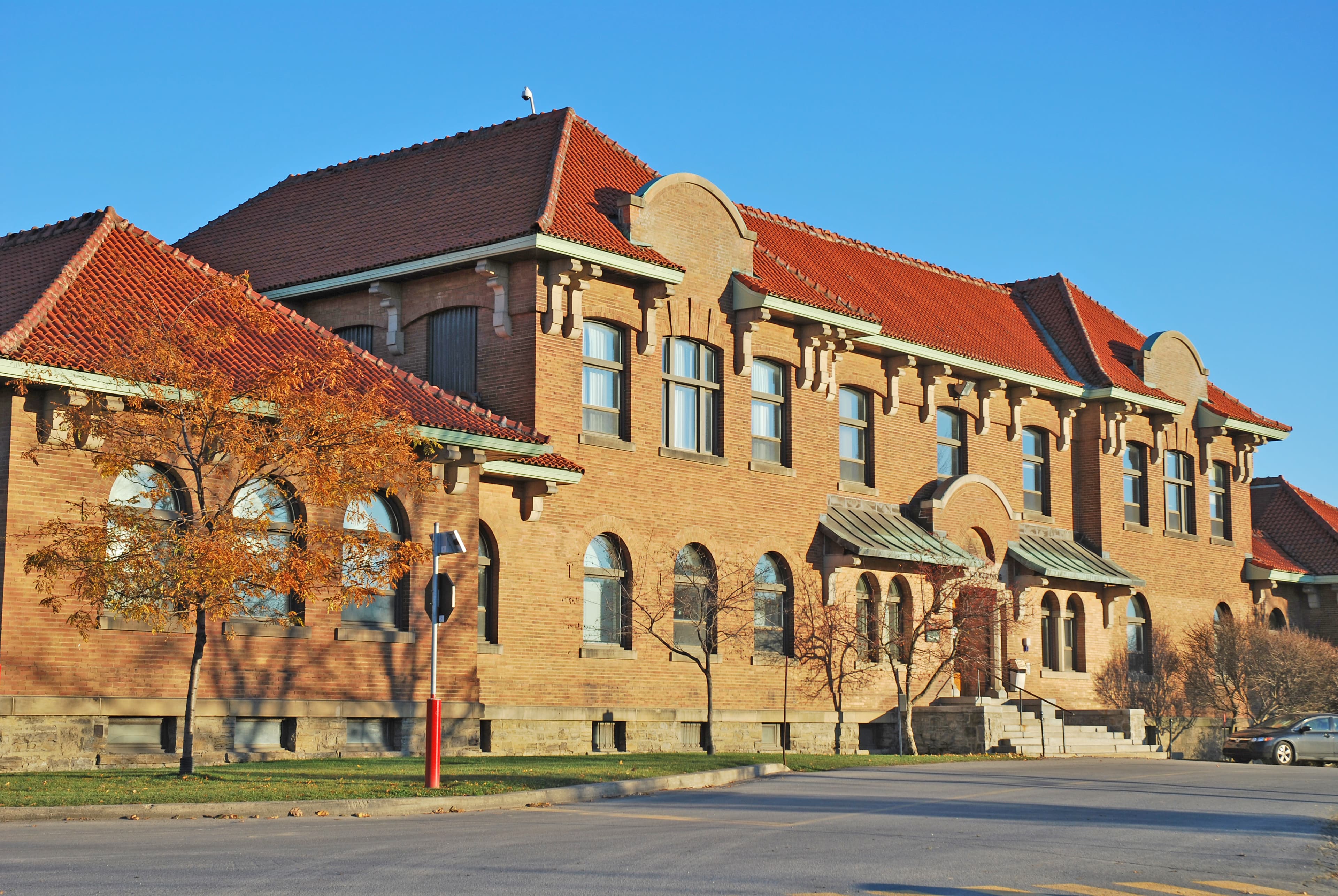
Downtown is McGill's central Montreal campus. Macdonald is a 650-hectare campus in Sainte-Anne-de-Bellevue, about 35 kilometres from downtown, with fields, forest, riverfront, a farm, greenhouses and specialized food and agricultural facilities. This is a meaningful location difference for classes, housing and daily travel.
Do not choose a campus as though it were a preference on a general admission form. McGill labels campus location on its program listings. Start with the degree and major you want, verify the location, then compare the routine that location creates.
| Decision | Downtown Campus | Macdonald Campus |
|---|---|---|
| Academic anchor | Most faculties and the large downtown undergraduate program catalogue | Faculty of Agricultural and Environmental Sciences, School of Human Nutrition and related programs |
| Setting | Central Montreal, beside city streets, museums, cafés and services | Sainte-Anne-de-Bellevue; a large green campus with farm, field, forest and riverfront environments |
| Housing question | Many downtown residence styles, some with mandatory meal plans | Laird Hall and EcoResidence; shared kitchens and no mandatory meal plan |
| Cross-campus travel | McGill shuttle departure at 680 Sherbrooke Street | McGill shuttle departure at Centennial Centre; REM plus an STM bus is another route |
Let the program listing decide your academic base
McGill's Macdonald program overview lists the B.Sc. in Agricultural and Environmental Sciences, B.Eng. in Bioresource Engineering, B.Sc. in Food Science and B.Sc. in Nutritional Sciences. It also lists concurrent Food Science and Nutritional Sciences degrees and the Farm Management and Technology diploma. It also lists majors and concentrations within those degrees. Verify the specific program page because a subject name alone may not identify the campus.
Environment is the clearest reason to inspect the exact degree. McGill lists the B.Sc.(Ag.Env.Sc.) Environment major at Macdonald, while the B.Sc., B.A.&Sc. and B.A. Environment routes are downtown. McGill also says many Environment programs can permit study exclusively at one campus or across both. Build a sample timetable before deciding where to live if your route can span campuses.
- Use the location filter in McGill's undergraduate program finder.
- Open the exact degree, major, concentration or specialization rather than relying on a broad subject label.
- Check individual course locations when planning a timetable that may use both campuses.
Compare the routine, not a promised campus experience
Macdonald's official campus page describes smaller classes than comparable downtown courses and identifies its large green setting and specialized facilities. Downtown tours emphasize a central Montreal location. These are useful starting points, but neither description predicts your personal experience. Visit the campus where your program is taught and map the buildings and services you expect to use.
Eligible McGill students can access Student Services on both campuses, though appointment format and in-person availability can vary by service and date. Check the current Macdonald Student Services schedule rather than assuming every downtown service has a permanent Macdonald office.
Treat the intercampus trip as a changing transport plan
McGill's shuttle is free for full-time students who show a physical McGill ID. It runs Monday to Friday on a first-come, first-served basis, and McGill warns that buses can fill during busy periods and face road delays. The service is intended for academic or administrative travel between campuses, so it should not be treated as guaranteed private transport for every lifestyle trip.
McGill currently confirms service through at least December 2026. It has no fixed date for a final decision and says changes will be announced in advance. The current public-transit route uses the REM to Anse-à-l'Orme and then STM route 210 on weekdays or 212 on weekends. The REM and STM require a fare. Fall 2027 students should recheck the transport page before choosing a cross-campus lease or building a timetable around today's shuttle.
- Check the live schedule before each trip; departure times can change.
- Leave a buffer for boarding limits, traffic and the REM-to-bus transfer.
- If most classes are at Macdonald, compare living near that campus with commuting from downtown before signing a lease.
A practical campus decision checklist
The strongest campus decision uses a real first-term course plan. Mark each class, lab and recurring activity on McGill's maps; then add housing, groceries, dining, health services and evening travel. A campus visit can reveal whether the setting and travel pattern work for you, but the official timetable and program rules should control the decision.
- Confirm the campus on the program and course pages.
- Count how many days require travel between campuses.
- Compare residence and off-campus housing near the academic base.
- Recheck the shuttle service announcement before Fall 2027 planning.
- Use current maps and service schedules rather than saved screenshots.
Keep exploring
Sources and updates
This independent guide summarizes the official information linked below. Availability, access rules and application cycles can change; check the relevant university page before making a decision.
- McGill — Welcome to the Macdonald Campus
- McGill Undergraduate Admissions — Campus tours
- McGill Undergraduate Admissions — Programs
- McGill Faculty of Agricultural and Environmental Sciences — Undergraduate program offering
- McGill Bieler School of Environment — Undergraduate programs
- McGill Transport — Inter-campus shuttles
- McGill Student Services — Macdonald Campus
- McGill Student Housing — Macdonald Campus residence options