U of T Undergraduate Programs & Pathways
Toronto, Ontario
Compare 700+ undergraduate programs across St. George, Mississauga, and Scarborough, then separate admission categories from later program selection.
The short answer
- U of T lists more than 700 undergraduate programs across St. George, Mississauga and Scarborough, as of Fall 2025.
- St. George Arts & Science applicants pick one of six admission categories, then choose a program of study after first year.
- UTM uses 13 admission categories, and only one UTM category can be chosen in the same application cycle.
- UTSC applicants choose a program area, with regular or co-op options where available, then enrol in a Subject POSt after about 4.0 credits.
- U of T allows up to three program or campus choices, but only one choice in a particular program area.
Reviewed August 13, 2026 · Official university sources · How we review guides
Current three-campus program map
University of Toronto programs, majors, and admission categories
U of T's current viewbooks describe more than 700 undergraduate programs, but a high-school application does not always secure the final major. St. George Arts & Science, UTM, and UTSC often use a category-to-program model after first year. Engineering, Daniels, Kinesiology, and Music use more structured entry routes. The table below separates what students apply to from what they choose later.
Undergraduate breadth
700+ programs
Search the live central directory by campus, degree, program type, and work-integrated learning.
One university
3 campus models
St. George, Mississauga, and Scarborough use different application, program-selection, and co-op systems.
Application choices
Up to 3 choices
U of T permits up to three different program or campus choices, but only one choice in a particular program area.
Engineering update
TrackOne paused
September 2027 and 2028 applicants choose a Core 8 discipline or Engineering Science.
Program breadth across three campuses
2025–26 latest available · Latest published information; newer cycle not yet confirmed
U of T's quick facts list more than 700 undergraduate programs (as of Fall 2025) and 103,140 students across the St. George, Mississauga, and Scarborough campuses (Fall 2025–26). The three campuses use different application, program-selection, and co-op systems.
Applies to: All applicants
University of Toronto: U of T quick facts: programs, clubs, and enrolment · Verified August 13, 2026
Category-to-program selection model
Current structure · Published for this period
St. George Arts & Science applicants choose one of six admission categories: Computer Science, Humanities, Life Sciences, Mathematical & Physical Sciences, Rotman Commerce, or Social Sciences. UTM uses 13 admission categories. UTSC uses program areas with regular and selected direct-entry co-op options. In these flexible routes, students enrol in a specific program of study (POSt) after first year.
Applies to: All applicants
U of T Faculty of Arts & Science: St. George Arts & Science admission categories · Verified August 3, 2026
Compare U of T undergraduate program pathways
“Program” can mean an application choice, admission category, faculty, degree, specialist, major, or minor. This map identifies what the initial offer normally secures and what selection remains.
| Pathway | High-school application | What happens later | Planning risk |
|---|---|---|---|
| St. George Arts & Science | Applicants choose one of six admission categories: Computer Science, Humanities, Life Sciences, Mathematical & Physical Sciences, Rotman Commerce, or Social Sciences. | At the end of first year, students choose a program of study or an eligible combination. Arts & Science currently lists more than 400 program choices. | An admission category is not automatically the final major. First-year courses must preserve the prerequisites for every intended program. |
| St. George Computer Science | Computer Science is a distinct Arts & Science admission category with a required supplemental application. | Students admitted to the category can qualify for the Computer Science specialist, major, or minor through the published first-year course and grade conditions. | Use the dedicated three-campus Computer Science guide for the current category, supplement, co-op, and first-year program-entry rules. |
| Rotman Commerce | Applicants select the Rotman Commerce admission category and complete its required supplemental application. | Students choose Accounting, Finance & Economics, or Management after first year. Category admission provides a conditional guarantee of a place in Rotman Commerce. | The guarantee depends on meeting Rotman's first-year requirements. Applicants with postsecondary study face separate, highly restricted transfer rules. |
| U of T Engineering | For September 2027 and 2028 entry, applicants choose a Core 8 discipline or Engineering Science. TrackOne admission is paused for both cycles. | Core 8 students begin in their chosen discipline. Engineering Science uses two common foundation years before one of nine upper-year majors. | Do not use an older TrackOne plan for Fall 2027. A Core 8 transfer after first year depends on academic performance and available space. |
| Daniels Faculty | Architectural Studies and Visual Studies are distinct St. George application choices and require the One Idea supplementary application. | Students progress within the selected Daniels degree structure rather than using the general Arts & Science program-selection model. | Compare the exact degree, prerequisites, studio curriculum, supplement, and professional-school implications before applying. |
| Kinesiology & Physical Education | Applicants apply directly to the Bachelor of Kinesiology and complete the required Statement of Interest. | The BKin follows its own specialist curriculum rather than the general Arts & Science admission-category route. | Ontario applicants currently need English, one listed Grade 12 math, and one listed Grade 12 science; verify the live cycle requirements. |
| Faculty of Music | Applicants choose a Music admission route and complete the required Music Questionnaire and audition where specified. | Composition, performance, education, and history/culture pathways use faculty-specific curricula and assessment. | Audition repertoire, recordings, interviews, theory requirements, and dates vary by route and must be checked on the live Faculty of Music page. |
| U of T Mississauga (UTM) | Applicants select one of 13 UTM admission categories. Only one UTM category can be selected in the same application cycle. | After first year and normally 4.0 credits, students request a Subject POSt in ACORN. UTM currently offers more than 90 areas of study. | Type 1 programs are open; Type 2 and Type 3 programs have entry requirements and can be limited. Build first year around the intended POSt. |
| U of T Scarborough (UTSC) | Applicants choose a UTSC program area and, where available, a regular or co-op admission option. | After about 4.0 credits, students enrol in an eligible specialist, major, or minor Subject POSt. Programs can be unlimited or limited enrolment. | Direct-entry and later-entry rules differ by program. Co-op students must also satisfy the approved co-op program-combination rules. |
| Specialist, major, and minor combinations | The application secures an admission category or faculty route, not a universal combination of majors and minors. | Arts & Science, UTM, and UTSC generally require one specialist, two majors, or one major plus two minors, subject to campus and program rules. | Programs can have overlap and distinct-credit rules. Students normally combine programs offered by their own campus unless an approved exception applies. |
| Co-op and internship programs | UTSC offers direct-entry co-op categories, while St. George ASIP and UTM UTMCIP generally use later in-course applications. Engineering uses PEY Co-op. | The academic program and the work-experience stream can have separate eligibility, sequence, fee, and application requirements. | Choose the campus and academic pathway first, then confirm whether co-op is direct entry, later entry, mandatory, optional, or unavailable. |
| Transfer applicants | University and college transfer applicants apply to a program area and submit their full postsecondary record for admission and transfer-credit review. | The specific program is determined after transfer-credit assessment and completion of any program prerequisites. | Some high-demand programs do not accept transfer applicants, and transferred credits do not automatically satisfy a program's enrolment requirements. |
A look at the three campuses
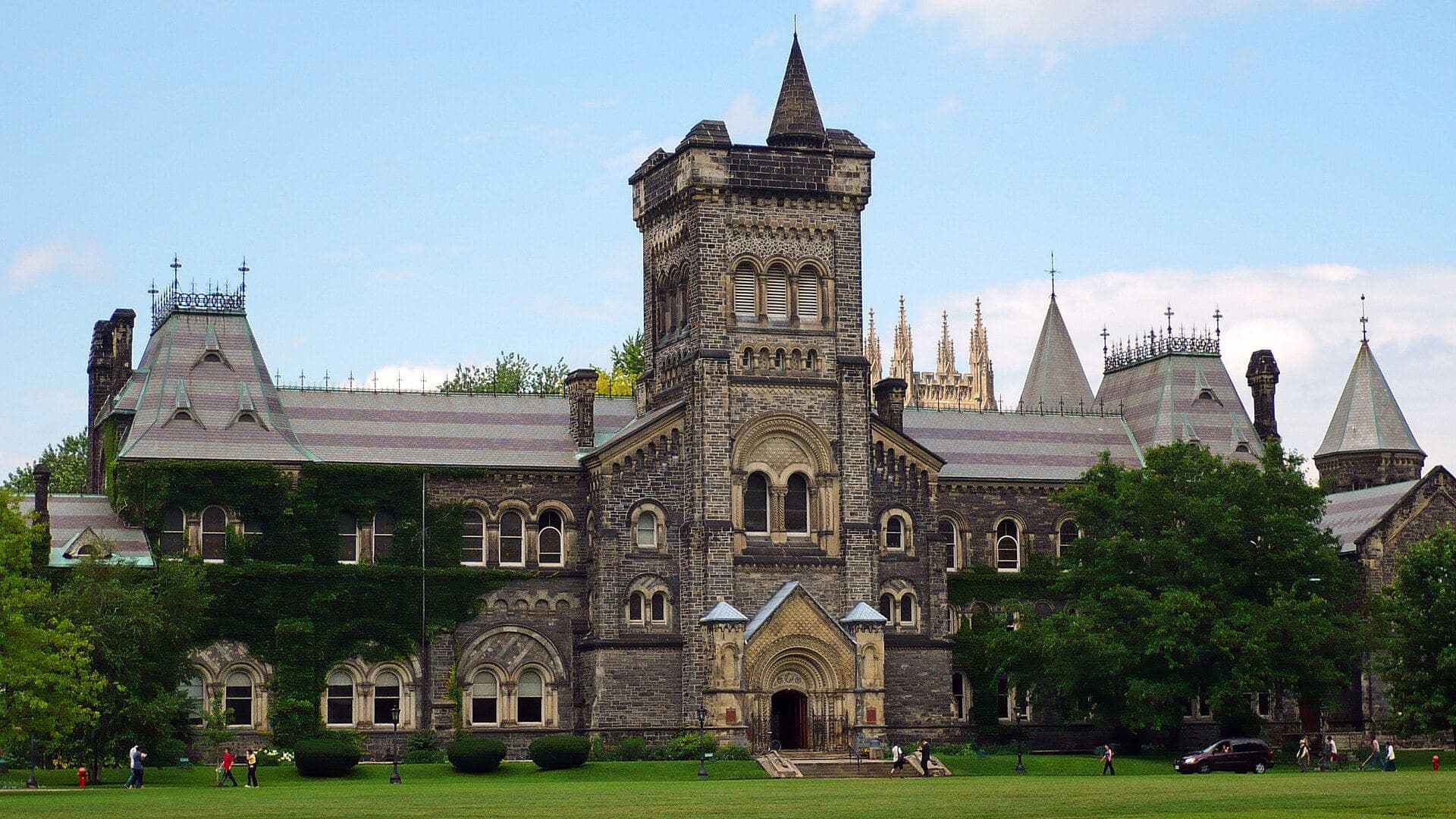

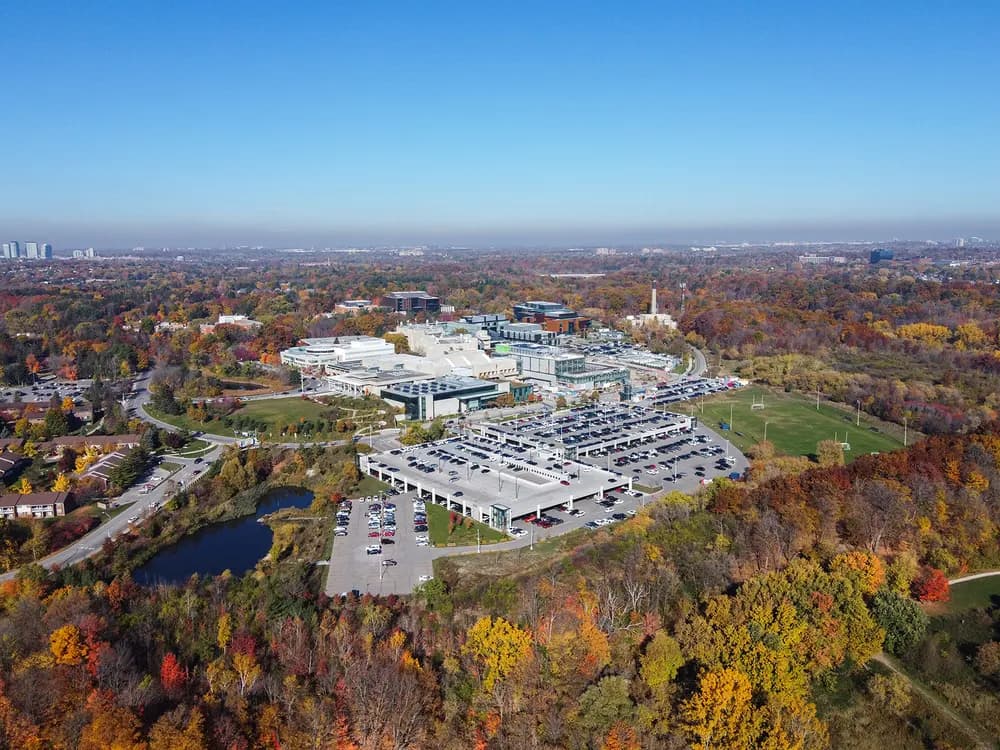

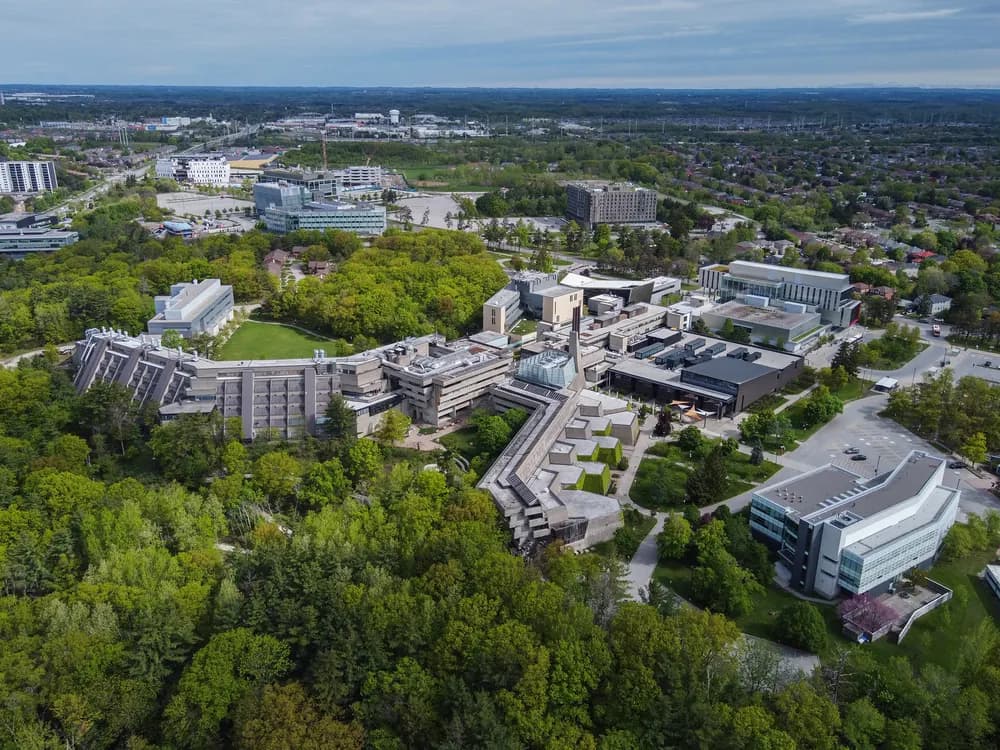

Admission category versus program of study
St. George
- Application entry
- Six Arts & Science categories plus direct faculty routes
- Program selection
- Arts & Science students usually choose after first year; Engineering, Daniels, Kinesiology, and Music use their own structures.
- Watch closely
- Computer Science and Rotman Commerce have supplemental applications and conditional first-year program-entry rules.
Mississauga (UTM)
- Application entry
- 13 admission categories; one UTM category per application
- Program selection
- Request a Subject POSt after first year, normally once 4.0 credits are completed or in progress.
- Watch closely
- Type 1 is open; Type 2 and Type 3 programs have requirements and can be limited enrolment.
Scarborough (UTSC)
- Application entry
- Program areas with regular and selected direct-entry co-op options
- Program selection
- Choose an eligible specialist, major, or minor after about 4.0 credits.
- Watch closely
- Unlimited and limited programs use different entry rules; co-op adds approved program-combination requirements.
Fall 2027 Engineering decision
TrackOne is not an application option for September 2027
The Faculty of Applied Science & Engineering has paused TrackOne for September 2027 and 2028 starts. Applicants choose a Core 8 discipline or Engineering Science. Core 8 first-year curricula remain similar, but students begin in their selected discipline; a later transfer depends on academic performance and space. Engineering Science is a separate accelerated program with two common foundation years and nine upper-year majors.
Verify the announcement on the official TrackOne page.
Engineering TrackOne pause
Fall 2027 and Fall 2028 · Published for this period
U of T Engineering is pausing admission to TrackOne, Undeclared for the 2026–2027 and 2027–2028 admissions cycles, corresponding to September 2027 and September 2028 start dates. Applicants choose one of the Core 8 disciplines — Chemical, Civil, Computer, Electrical, Industrial, Materials, Mineral, or Mechanical — or Engineering Science.
Applies to: All applicants
U of T Faculty of Applied Science & Engineering: TrackOne pause for September 2027 and 2028 entry · Verified August 13, 2026
One specialist
Concentrate the degree in one larger program, subject to the campus, program, and degree requirements.
Two majors
Combine two fields while satisfying distinct-credit, overlap, and degree rules.
One major + two minors
Build breadth across three programs, provided every enrolment and combination rule is met.
U of T program-choice checklist
- Write down the exact campus, faculty, admission category, OUAC code, and degree—not only the subject name.
- Identify what the high-school offer secures: a named program, a broad category, a conditional guarantee, or access to later selection.
- Map every Grade 12 prerequisite and supplemental application for the exact entry choice.
- For flexible routes, build first-year courses backward from all intended specialist, major, minor, or Subject POSt prerequisites.
- Check whether later program entry is open, requirement-based, limited enrolment, capacity constrained, or conditionally guaranteed.
- Compare co-op or internship entry separately because the academic offer does not always include the work-experience stream.
- Keep a viable backup program that fits the completed prerequisites, degree goals, campus, and cost.
- Recheck the live directory, faculty page, and calendar before applying, accepting an offer, and enrolling in first-year courses.
Continue planning
Official University of Toronto sources
Program availability, entry rules, and supplements can change. These official pages are the source of truth for the current comparison.
- U of T undergraduate program directory
- U of T 2026–2027 viewbooks and admission bulletins
- U of T application choices and admission categories
- U of T three-campus overview
- U of T Ontario high-school requirements
- U of T transfer-applicant requirements
- St. George Arts & Science admission categories
- St. George Arts & Science program directory
- U of T Engineering program overview
- U of T Engineering TrackOne pause for 2027 and 2028
- U of T supplemental applications by program
- UTM undergraduate admission categories
- UTM Subject POSt and program combinations
- UTSC program selection and limited enrolment
- UTSC program and co-op combinations
Official Sources and Next Steps
Stellar keeps this guide structured for comparison, but official university pages remain the source of truth for program requirements, tuition, residence, scholarships, deadlines, and policy changes.
Prepared by Stellar Advisers Editorial Team · Reviewed August 13, 2026 · Editorial, corrections, and source methodology