University guides
On this page
Waterloo Meal Plans and Dining Halls
If you live in Village 1, Ron Eydt Village or Claudette Millar Hall, you must buy a Traditional meal plan every term. For 2026–27 it costs $3,440 to $4,600 per four-month term. Suite-style residents can skip the plan or buy an Advantage plan. Here's how the money works once it's on your WatCard.
Sources checked September 30, 2026. View sources
Who has to buy a meal plan
Waterloo's meal plan terms say students assigned to a traditional residence must buy a Traditional plan for each term they live there. That means Village 1 (V1), Ron Eydt Village (REV) and Claudette Millar Hall (CMH).
If you don't choose, you're given Traditional B by default. If you picked an Advantage plan and are then placed in a traditional residence, it's converted to a Traditional plan.
Advantage plans are optional for everyone else, including suite-style residents at Columbia Lake Village, Minota Hagey, Mackenzie King Village and UW Place, and students living off campus.
The New Residence Building is scheduled to open in 2027. Its fee page says meal plans there are optional but strongly recommended for students in traditional-style rooms.
2026–27 meal plan costs
Prices are per four-month term. Each plan includes $100 in Flex dollars and a $120 administrative fee. The rest is split equally between Meal Plan Funds and an overhead deduction.
Two terms of Traditional B, the most common choice, cost $8,040. Two terms of Traditional A cost $9,200, and two terms of Traditional C cost $6,880. Those totals are our arithmetic from Waterloo's per-term prices.
| Plan | Who can buy it | Cost per term | Meal Plan Funds | Overhead deduction |
|---|---|---|---|---|
| Traditional A | V1, REV and CMH residents | $4,600 | $2,190 | $2,190 |
| Traditional B | V1, REV and CMH residents | $4,020 | $1,900 | $1,900 |
| Traditional C | V1, REV and CMH residents | $3,440 | $1,610 | $1,610 |
| Advantage A | Suite-style and off-campus students | $4,600 | $2,190 | $2,190 |
| Advantage B | Suite-style and off-campus students | $4,020 | $1,900 | $1,900 |
| Advantage C | Suite-style and off-campus students | $3,440 | $1,610 | $1,610 |
| Advantage D | Suite-style and off-campus students | $2,750 | $1,265 | $1,265 |
| Advantage E | Suite-style and off-campus students | $2,220 | $1,000 | $1,000 |
How the 50% overhead rule works
Waterloo plans are declining-balance accounts, not a set number of meals. Each time you buy food at a UW Food Services location, half the price comes out of your Meal Plan Funds and half out of the overhead portion.
In practice, your Meal Plan Funds stretch to about twice their face value at set prices. Traditional B's $1,900 in Meal Plan Funds covers roughly $3,800 of food at posted prices in one term. Purchases made this way are also HST-exempt.
The overhead portion has no cash value. It covers the program's fixed costs and only works alongside your Meal Plan Funds.
Flex dollars are different money
Flex dollars work anywhere that takes WatCard, including residence laundry, vending machines, W Print, W Store and partner restaurants on and off campus. You can also spend them at Food Services locations.
Flex dollars don't qualify for the HST exemption, so Flex purchases are taxed, including at Food Services locations. You can add more Flex dollars at any time, in any amount, through the WatCard Office.
What happens to money you don't spend
Unused Meal Plan Funds carry forward while you stay enrolled. If you buy another plan in the same academic year, the carried funds keep their tax exemption and price reduction. If you don't, or once the academic year ends, they lose both.
The overhead portion doesn't carry forward. Flex dollars do, as long as you're enrolled. Funds from a residence plan move to a Transfer Meal Plan account that works only at Food Services locations and doesn't turn into Flex dollars.
Refunds are considered only if you withdraw from Waterloo, through the WatCard Office. Unused Meal Plan Funds and Flex dollars are refundable, the overhead is refunded pro rata and the $120 administrative fee isn't refunded.
The three residence dining halls
Each traditional residence has its own dining hall. You can also use your plan at more than 25 Food Services locations across campus, including cafés and franchises.
The hours below are Food Services' regular listings on September 30, 2026. Exceptions apply around move-in, holidays and exams.
| Dining hall | Residence | Regular hours |
|---|---|---|
| Mudie's | Village 1 | 7:30 a.m. to 10:30 p.m. weekdays; 9 a.m. to 10:30 p.m. weekends; closed for the spring term |
| REVelation | Ron Eydt Village | 7:30 a.m. to 10:30 p.m. Monday to Thursday; 7:30 a.m. to 9 p.m. Friday; 9 a.m. to 9 p.m. Saturday; 9 a.m. to 10:30 p.m. Sunday |
| The Market | Claudette Millar Hall | 7:30 a.m. to 10:30 p.m. weekdays; 9 a.m. to 10:30 p.m. weekends |
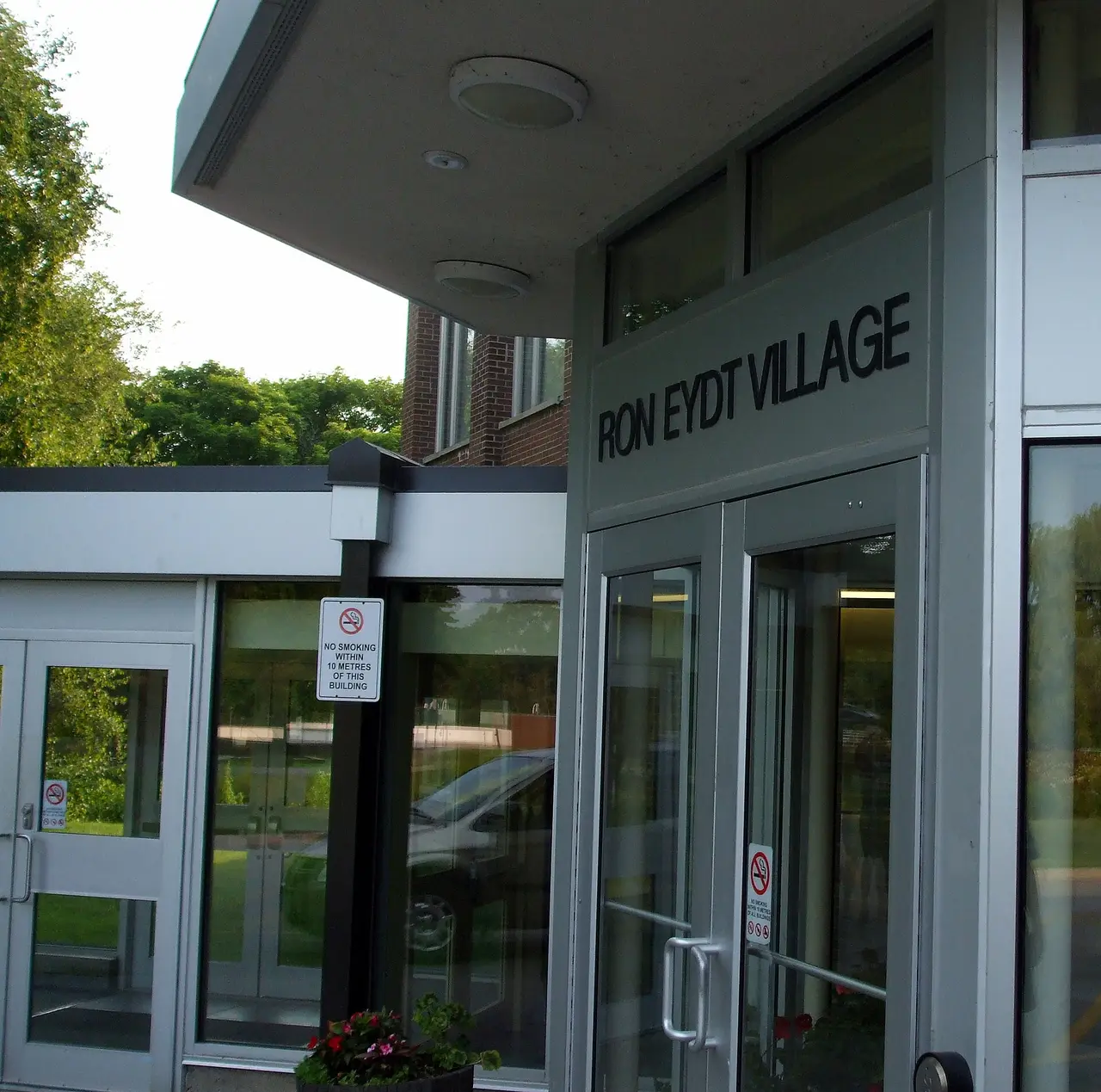
.jpg)
Choosing between A, B and C
Waterloo pitches Traditional A at students who eat most meals on campus, stay some weekends and have bigger appetites. B is its most popular plan, with room for weekends away. C suits students who spend most weekends off campus.
Buying too big a plan has a real cost. The overhead portion doesn't carry forward, and leftover Meal Plan Funds lose their tax exemption and price reduction once the academic year ends. If you run short, you can top up with Flex dollars, but those purchases are taxed.
Buying an Advantage plan in a suite
Add the plan amount to your WatCard through the online deposit portal. Then email watcard@uwaterloo.ca with your full name, WatCard number and the plan you want.
If you skip the email, the money is treated as Flex dollars and you don't get the plan's savings.
Food allergies and dietary needs
Food Services says it can handle most common needs, including vegan, vegetarian, halal, and made without gluten or dairy. If you have a food allergy or serious restriction, contact Food Services before you move in. They'll set up a meeting with your residence chef and the Registered Dietitian.
If you also need a housing accommodation, complete the Accessible Housing Verification Form. Food Services' page says first-year students must register by June 1 to be part of the residence guarantee application.
Keep exploring
Sources and updates
This independent guide summarizes the official information linked below. Availability, access rules and application cycles can change; check the relevant university page before making a decision.