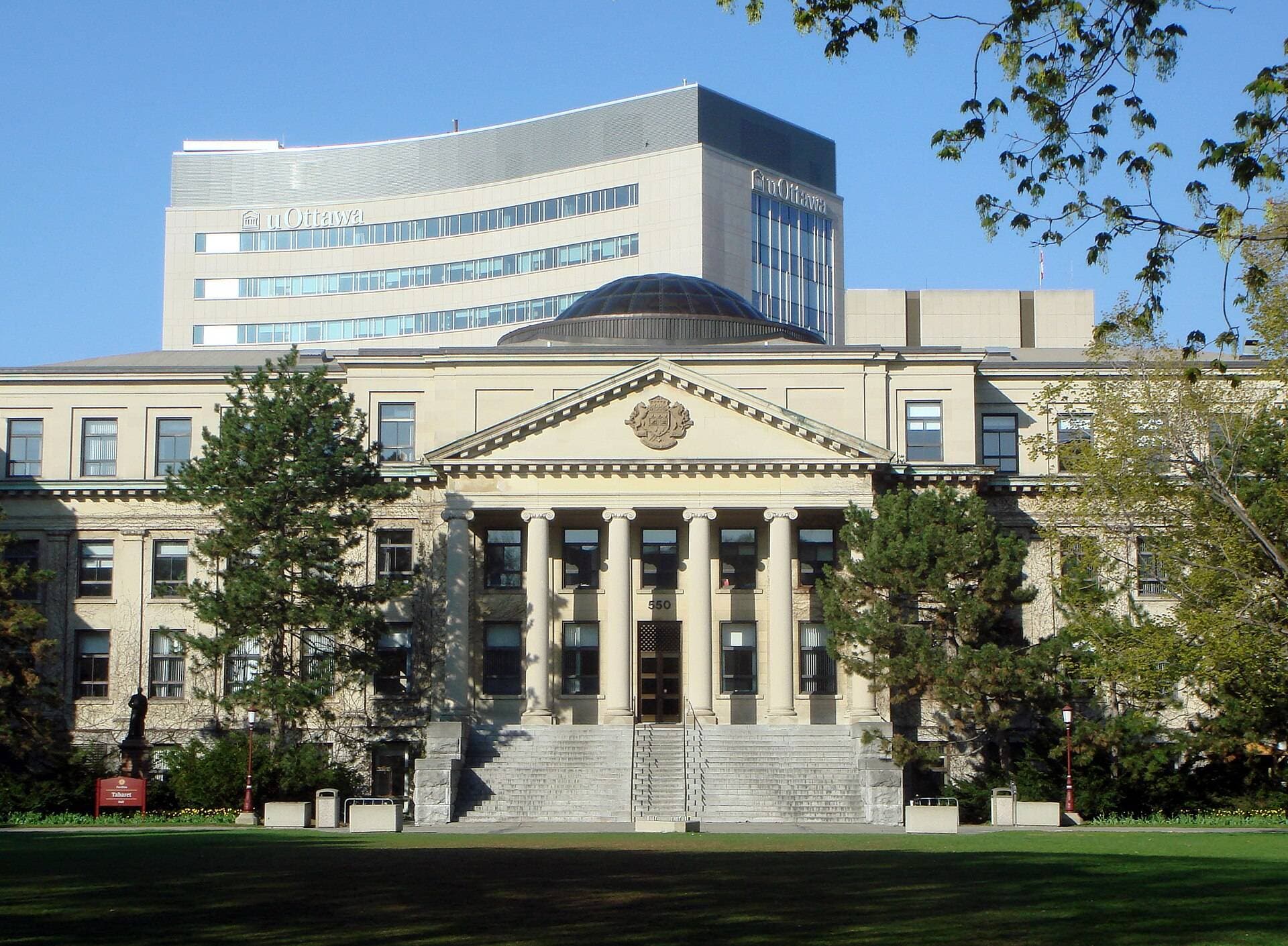

University of Ottawa Student Life & Support
Ottawa, Ontario
Community, clubs, support services, and international fit. This focused guide keeps the detailed tables, official sources, and practical next steps in one manageable reading path.
The short answer
- Three official pages give three club totals: 279 clubs, over 100 organizations, and 300 clubs via UOSU.
- Eligible full-time undergrads, grads, and co-op students usually must buy the U-Pass. That pass gives unlimited rides on OC Transpo buses and STO buses.
- Students who pay the required extra fees often get rec access. Two fitness centres sit among the perks, along with an Olympic-size pool.
- Care sits at the Minto Sports Complex. There, doctors and counsellors see students in English and French.
- In 2026–2027, walk-up meals cost $14.34 for breakfast, $20 for lunch, and $21.50 for dinner, plus tax.
Reviewed August 14, 2026 · Official university sources · How we review guides
Current clubs, recreation, transit, dining, and support guide
University of Ottawa student life and campus services
uOttawa student life is more useful to compare as a set of real routines than as a generic “campus vibe.” Start with the clubs or communities a student would attend, the recreation and transit access included in their fees, the support route they would use when something goes wrong, and whether those options fit their class, residence, or commute schedule. This guide was reviewed July 29, 2026, with transit, dining, and bilingual-campus facts re-verified August 14, 2026 against the university and student union pages linked below.
Clubs and organizations
Official pages use different scopes right now. uOttawa's student-life page names 279 clubs. Its campus organizations page says 100+ independent and service organizations. UOSU says it supports 300 clubs. Use the live UOSU directory for the current searchable list.
Recreation
Regular students pay the applicable ancillary fees. They usually get recreation membership. This covers fitness centres and the Olympic-size pool. It also covers group fitness, drop-in activities, and intramurals. Some student categories need their own membership.
Transit
The U-Pass is integrated with the student card. It is normally mandatory for eligible full-time undergraduate, graduate, and co-op students. It provides unlimited travel on OC Transpo and STO during the covered period.
Health and wellness
The Student Health and Wellness Centre offers integrated medical and mental-health care in English and French. Students can also use peer services, support groups, short-term psychotherapy, case management, and the Wellness Lounge.
How students can build community at uOttawa
A useful fit comparison names a starting point. It also names a realistic time commitment. These routes cover academic, cultural, transition, and recreation needs. They do not assume every student wants the same social experience.
| Community route | Where to start | Fit question |
|---|---|---|
| Clubs and student government | Search the UOSU club directory, service centres, free events, volunteer opportunities, and student jobs. Faculty student associations also organize program-specific clubs and events. | Which two groups would you realistically attend during a busy first semester? |
| Francophone and bilingual community | Carrefour francophone in the University Centre hosts weekly French-language social and cultural activities. French Immersion students can also use dedicated academic and community supports. | Do you want French mainly in class, in social life, or in both? |
| International and regional transition | Regional mentors are upper-year students who help new students adjust to Ottawa, the Canadian university environment, culture shock, and campus services. ACMP offers mentoring for African, Caribbean, Black, and other racialized students. | Which transition support would you contact before a problem becomes urgent? |
| Sports and active recreation | Gee-Gee Reg lists intramurals, group fitness, drop-in schedules, aquatics, facility bookings, and recreation registration across Montpetit, Minto, and Lees. | Would a scheduled intramural team, a class, or flexible drop-in access be easiest to sustain? |
Recreation, gym access, and intramurals
Regular students who pay the relevant ancillary fees normally have recreation membership included. uOttawa lists two fitness centres and an Olympic-size pool. It also lists group fitness, drop-in activities, fields and rinks, squash, and intramural leagues. Some exchange, medicine, and off-campus-program students may not pay the fee. They may need a separate membership.
Montpetit, Minto, and Lees have different facilities. Use uOttawa recreation and Gee-Gee Reg for the current schedule, registration window, and location rather than assuming an activity runs every term.
Which uOttawa support service should a student contact?
The fastest route depends on the problem. A mentor can help with transition and study strategies. But a faculty office handles enrolment. A professor or TA handles course content. Academic Accommodations handles disability-related access.
| Student need | First service to try | Practical next step |
|---|---|---|
| First-year study habits or transition | Peer mentors, including faculty, regional, writing, assistive-technology, and French Immersion mentors | Book the relevant mentoring service; uOttawa says more than 100 mentors support students across campus. |
| Program enrolment, course changes, transfer credit, or progress | Faculty undergraduate office | Use the academic office for the student's faculty rather than relying on a club or general service desk. |
| Course content, grading, or an evaluation | Professor or teaching assistant | Use office hours and the contact route listed in the course outline. |
| Writing, structure, citations, or self-editing | Academic Writing Help Centre | Bring the assignment instructions and a working draft; the service supports planning and revision rather than writing the assignment for the student. |
| Disability-related academic accommodation | Academic Accommodations through Ventus | Register early and follow the live documentation and deadline page; current public dates should not be reused for a future term. |
| Medical or mental-health care | Student Health and Wellness Centre | Use the bilingual integrated-care centre at the Minto Sports Complex and the live health resource index for the appropriate service. |
| Complex academic, health, or personal circumstances | Student case management | Request non-clinical case management for coordinated navigation across university and community resources. |
Health, mental health, and accessibility
The Student Health and Wellness Centre at the Minto Sports Complex offers integrated medical and mental-health care in English and French. The university also lists peer support, support groups, short-term psychotherapy, Therapy Assistance Online, the Wellness Lounge, and a broader health resource index.
Case management is a separate non-clinical route. It is for Students facing complex academic, health, or personal circumstances. Students needing disability-related academic access register with Academic Accommodations. They use Ventus. Intake and documentation dates change. So begin early and use the live term page.
Dining, U-Pass, and day-to-day campus logistics
Current-cycle prices are useful for budgeting. They should always keep their date label. The university can change meal prices, hours, transit fees, eligibility rules, and service locations after this review.
Student card
The uOttawa card can connect meal-plan access, recreation facilities, residences and labs, bookstore and dining purchases, and the U-Pass. Check each activation step before the first week.
Dining Hall
The Dining Hall is on level 1 of the University Centre and lists ten stations. For 2026–2027, published pay-at-the-door student prices are $14.34 plus tax for breakfast, $20 for lunch, and $21.50 for dinner; hours and prices can change by term.
Dietary planning
The Dining Hall marks vegetarian, vegan, and halal options. But uOttawa warns that shared production areas cannot guarantee against cross-contact. Students with allergies should use the dietary-support process of the university.
Getting around
Use the live campus map for accessible entrances, indoor routes, food locations, and service interruptions. The university also publishes shuttle information. It links to current OC Transpo and STO trip planning.
U-Pass transit coverage
Current program · Published for this period
The U-Pass is mandatory for all full-time undergraduate and graduate students and students completing a co-op work term. It is integrated into the uOttawa student card and provides unlimited travel on OC Transpo in Ottawa and STO in Gatineau — the full National Capital Region network — at roughly 45–55% below a regular adult monthly pass.
Applies to: All applicants
uOttawa Campus Life: U-Pass transit program · Verified August 14, 2026
Dining Hall pay-at-the-door rates
2026–27 · Latest published information; newer cycle not yet confirmed
Published 2026–2027 pay-at-the-door rates for uOttawa students are $14.34 for breakfast, $20.00 for lunch, and $21.50 for dinner, plus tax, covering a single meal period or up to three hours with access to all stations. External community rates are higher.
Applies to: All applicants
uOttawa Campus Life: Dining Hall hours and pay-at-the-door rates · Verified August 14, 2026
Bilingual campus support for immersion students
Current services · Published for this period
French Immersion students take regular content courses in French while the Immersion Mentoring Centre pairs them with upper-year Immersion and Extended French students, and the French Immersion Office and the Official Languages and Bilingualism Institute provide academic and community support for studying in both languages.
Applies to: All applicants
uOttawa Undergraduate Studies: French Immersion Stream overview · Verified August 14, 2026
Compare room and meal-plan combinations in the uOttawa residence section. For a full cost picture, add tuition, compulsory fees, transit eligibility, food, housing, and personal costs using the tuition and financial-aid section.
First-month uOttawa student-life plan
- 1.Activate the student card and confirm whether the U-Pass, meal plan, and recreation membership are working.
- 2.Save the faculty undergraduate office, professor or TA office hours, Academic Writing Help Centre, and health resource index before they are needed.
- 3.Choose one academic or professional group and one social, cultural, service, or recreation group from the live club directory.
- 4.Check Gee-Gee Reg during the first week because league, class, and facility-registration windows can close.
- 5.Walk the route between core classes and identify accessible indoor alternatives on the campus map.
- 6.If accommodation, medical, mental-health, or complex personal support may be needed, begin the relevant intake early rather than waiting for an academic deadline.
Official uOttawa and UOSU sources
Service hours, registration windows, eligibility, and prices can change. Recheck the live source before acting.
- uOttawa campus life hub
- uOttawa student-life overview
- uOttawa student clubs and organizations
- University of Ottawa Students' Union
- uOttawa recreation
- uOttawa recreation memberships
- uOttawa health and wellness
- Student Health and Wellness Centre
- uOttawa mental-health services
- uOttawa student case management
- uOttawa academic support and mentoring
- uOttawa Academic Writing Help Centre
- uOttawa academic accommodations
- uOttawa regional mentoring
- uOttawa community and culture
- Carrefour francophone
- uOttawa French Immersion student life
- uOttawa Dining Hall
- uOttawa U-Pass
- uOttawa U-Pass opt-in eligibility
- Getting around uOttawa campus
- Official uOttawa campus maps
Official Sources and Next Steps
Stellar keeps this guide structured for comparison, but official university pages remain the source of truth for program requirements, tuition, residence, scholarships, deadlines, and policy changes.
Prepared by Stellar Advisers Editorial Team · Reviewed August 14, 2026 · Editorial, corrections, and source methodology