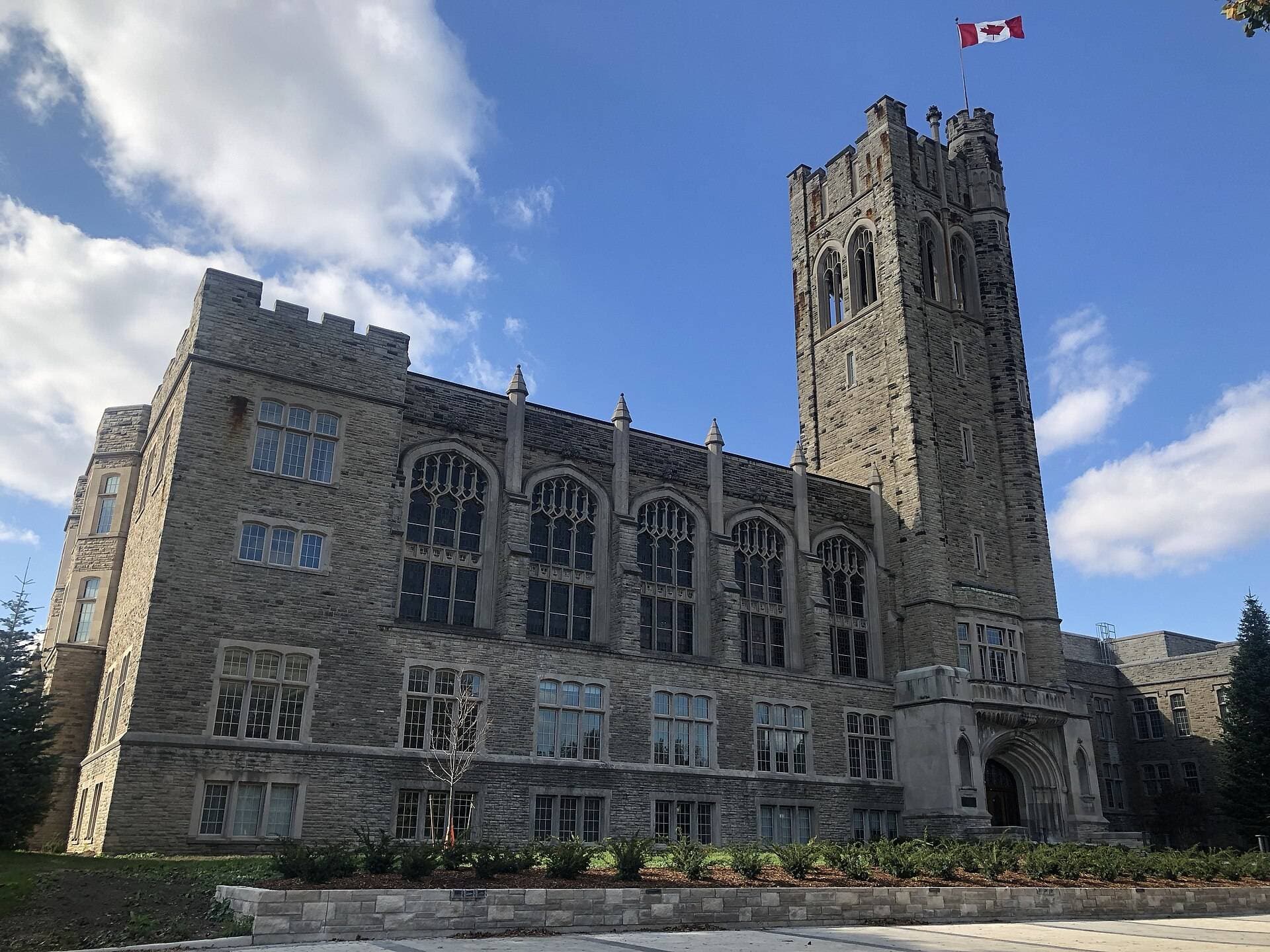

Western University Careers & Work Experience
London, Ontario
Co-op, internships, research, and outcome questions. This focused guide keeps the detailed tables, official sources, and practical next steps in one manageable reading path.
The short answer
- Western offers work experience in more than 45 undergraduate and graduate programs, organized by faculty.
- Engineering BESc students can do a 10-week-to-4-month summer co-op or an 8-to-16-month long-term co-op.
- Science and BMSc co-op runs 12 to 20 months in four-month increments and usually delays graduation by one year.
- Social Science and DAN Management co-op allows 4 to 16 months of paid work, starting as early as summer after Year 2.
- Arts and Humanities internships last 4 months for 0.5 credit or 8 months for 1.0 credit.
Reviewed August 14, 2026 · Official university sources · How we review guides
Work-integrated learning update
Western University co-op and internship programs
Yes, Western University offers co-op, internships, practicums, and other work-integrated learning. The important difference is that Western does not use one university-wide direct-entry co-op model. Opportunities are organized by faculty and program. Western says work experience is available in more than 45 undergraduate and graduate programs. So you should compare the exact Engineering, Science, Social Science, business, arts, health, or other program you plan to enter.
Western-wide access
45+ programs
Western lists optional work experience or a mandatory work term in nearly every program. The rules are specific to each faculty.
Engineering designation
At least 3 co-op terms
Eligible BESc students can earn a degree “with Co-op” after completing the required work terms before final year.
Science and BMSc
12–20 months
The paid Science co-op is completed in four-month increments and normally adds one year to the degree.
Which Western programs have co-op or internships?
These are examples of undergraduate pathways. They are not a complete list. Western also publishes options for each faculty. These include health sciences, information and media studies, music, Ivey, Huron, education, and other areas. The details below were reviewed on July 29, 2026. The Engineering and Science co-op fees and eligibility were re-verified on August 14, 2026. Always recheck the current faculty page before you make an academic or financial decision.
| Western option | Typical timing | Work structure | Entry model |
|---|---|---|---|
| Engineering summer co-op | 10 weeks to 4 months, May to August | Paid, full-time work of at least 30 hours per week; available across accredited BESc programs | Students can enter the “with Co-op” version before their final academic year |
| Engineering long-term co-op | 8 to 16 months, starting from May through September | Paid, full-time work of at least 30 hours per week before returning to full-time study | A minimum of three completed co-op terms is required for the “with Co-op” degree designation |
| Science and BMSc co-op | 12 to 20 months total in four-month increments | Paid, program-related work; graduation is normally delayed by one year | Students usually begin with the Science Co-op Office in Year 2 or 3 and must meet its eligibility rules |
| Social Science and DAN Management co-op | 4 to 16 months, beginning as early as summer after Year 2 | Paid, full-time, degree- or career-related work for up to 1.0 course credit | Available to eligible main-campus Social Science and DAN Management students |
| Arts and Humanities internship | 4 months for 0.5 credit or 8 months for 1.0 credit | Approved career-related work can be paid or unpaid and full- or part-time | For eligible third- and fourth-year students in an Arts and Humanities module |
Is Western co-op direct entry from high school?
Usually not as a single university-wide admission stream. Most Western students join a faculty co-op or internship process after enrolling. Engineering students can enter the BESc “with Co-op” version before their final academic year. Science and BMSc students normally begin the co-op process in Year 2 or 3, while Social Science work can begin as early as the summer after Year 2. Arts and Humanities internships are for eligible third- and fourth-year students.
That timing matters when comparing Western with a university that admits students directly to a named co-op stream. Use the Ontario universities with co-op comparison to evaluate entry models, work-term structure, fees, and placement support across schools.
Western Engineering co-op
Eligible students in any accredited Western Engineering program can enroll in the BESc “with Co-op” version. The summer option runs for 10 weeks to four months, while the long-term option runs for eight to 16 months. Both are paid, full-time programs. To graduate with the co-op designation, a student must complete at least three co-op terms before beginning the final academic year.
Western Engineering currently lists a $125 application fee for each academic year a student participates. It also lists a $550 tuition fee for each secured work term. Approved co-op jobs must be paid above the minimum wage where the work takes place. Those fees also apply when a self-found opportunity is formalized as an Engineering co-op. So you should verify the live fee pages before registering.
Western Science and BMSc co-op
Science and Basic Medical Sciences students complete at least 12 and as many as 20 months of paid, program-related work. A student can combine a four-month summer term after Year 2 with eight to 16 months between Years 3 and 4, or complete the 12-month minimum between Years 3 and 4. Students must return to Western for at least 2.0 courses after co-op, and the program normally delays graduation by one year.
Current eligibility includes full-time Science or BMSc status. It includes good academic standing. In most cases, it includes Year 2 or 3 status. It includes at least a 60% cumulative average. Admission to the co-op process is not a job guarantee. Students still search and compete for roles. Western Science currently charges $500 per four-month work term. It says students do not pay regular tuition while on co-op.
Western Social Science and DAN Management co-op
The Social Science co-op supports paid, full-time, degree- or career-related work for main-campus Faculty of Social Science and DAN Management students. Students can work from four to 16 months, start as early as the summer after second year, and earn up to 1.0 credit. Western's central work-integrated-learning directory describes the commitment as at least 32 hours per week and lists fall, winter, and summer start periods.
Business-focused applicants should distinguish DAN Management co-op from the separate Ivey HBA internship model. If Ivey is the academic goal, use the Western Ivey AEO guide for the high-school application and progression pathway.
Ivey HBA career outcomes, from Ivey's own report
Ivey publishes a first-party HBA employment report. For the Class of 2024, 89% received at least one employment offer within three months of graduation. That rose to 99% within six months. The average base salary was $80,936 and the average signing bonus was $9,799 among reported roles. Also, 94% of the HBA 2025 class seeking summer internships received at least one offer. These are historical observations for one program, captured as of September 20, 2024. They are not a salary promise for any future cohort.
Verified co-op and career facts
Each card states the cycle it belongs to, its verification status, and the official page it came from.
Work-integrated learning breadth
Current programs · Published for this period
Western does not use one university-wide direct-entry co-op stream. Its work-integrated learning directory says opportunities are available in more than 45 undergraduate and graduate programs, organized by faculty as co-op, internship, or practicum, and that nearly every program includes an optional work experience or a mandatory work term.
Applies to: All applicants
Western Experiential Learning: Work-integrated learning directory · Verified August 14, 2026
Engineering co-op structure and fees
Current program · Published for this period
Eligible BESc students can complete a 10-week-to-4-month summer co-op or an 8-to-16-month long-term co-op, and need at least three completed co-op terms before final year for the “with Co-op” designation. Engineering charges a $125 application fee for each participating year and $550 tuition per secured work term, and all co-op roles must pay above minimum wage where the work is located.
Applies to: All applicants
Western Engineering: Engineering co-op fees and FAQs · Verified August 14, 2026
Science and BMSc co-op structure
Current program · Published for this period
Science and BMSc students complete a minimum of 12 and up to 20 months of paid co-op in four-month increments, normally starting the process in fall of Year 2 or 3, and graduation is delayed by one year. Eligibility includes full-time status, good standing, and at least a 60% cumulative average, with a return to at least 2.0 courses after co-op. Students pay $500 per four-month work term and no tuition while on co-op, and earn 1.0 credit through Science 3391.
Applies to: All applicants
Western Science: Science co-op credit and fees · Verified August 14, 2026
Ivey HBA Class of 2024 employment evidence
Class of 2024–2025 observed outcomes · Latest published information; newer cycle not yet confirmed
Ivey's own employment report says 89% of the HBA Class of 2024 received at least one employment offer within three months of graduation, rising to 99% within six months, with an average base salary of $80,936 and an average signing bonus of $9,799 among reported roles. 94% of the HBA 2025 class seeking summer internships received at least one offer. These are historical observations, not salary promises.
Applies to: All applicants
Ivey Business School: HBA Class of 2024–2025 employment report · Verified August 14, 2026
Co-op access does not guarantee a placement
Program eligibility, registration, and a job offer are separate steps. Employer demand changes. Students apply and interview for positions. A role must meet the faculty's rules to count as formal co-op or internship credit. International students can apply to several Western programs. These include Engineering, Science, and Social Science. But you must check your current study and work authorization with Western International before you accept a placement.
Official Western sources
- Western work-integrated-learning directory
- Western Engineering undergraduate co-op
- Western Engineering co-op fees and FAQs
- Western Science co-op program overview
- Western Science co-op eligibility
- Western Science co-op fees and policies
- Western Social Science co-op
- Western Social Science work-term structure
- Ivey HBA Class of 2024–2025 employment report
Reviewed July 29, 2026. Engineering and Science co-op fees and Ivey outcomes verified August 14, 2026. Verify the faculty program, current fees, and work authorization before acting.
Career Planning
| Experiential Learning | Check whether your target program offers co-op, internships, clinical placements, practicums, studios, field schools, or research terms. |
|---|---|
| Career Services | Compare job boards, employer partnerships, resume support, interview preparation, and alumni mentoring. |
| Research Access | For graduate-school or professional-school pathways, look for undergraduate research assistant roles and lab access. |
| Outcome Questions | Ask where graduates work or study next, and whether outcomes differ by program, co-op stream, or campus. |
Official Sources and Next Steps
Stellar keeps this guide structured for comparison, but official university pages remain the source of truth for program requirements, tuition, residence, scholarships, deadlines, and policy changes.
Prepared by Stellar Advisers Editorial Team · Reviewed August 14, 2026 · Editorial, corrections, and source methodology